In brief
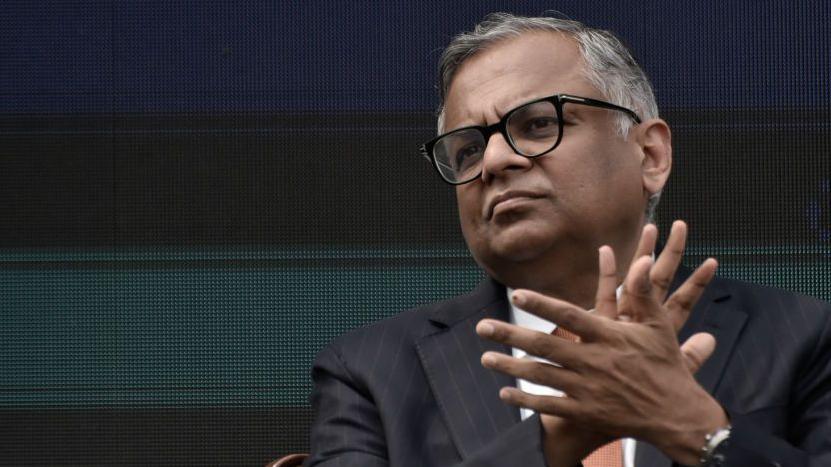
The resignation of Tata Sons chairman N. Chandrasekaran has left the group without a top executive, raising urgent questions about who will steer its sprawling conglomerate. A rift with Tata Trusts over a public listing and capital budgets for new businesses—such as a semiconductor plant, EV battery venture and Air India—has led to the move. The board now faces the daunting task of selecting a chairman capable of managing the risks of high‑budget, loss‑laden projects while realigning the Trusts and the company’s governance apparatus. Investors and markets await clear guidance on strategy and succession, while the group must recover its brand amid uncertainty.
The sudden stepping down of N. Chandrasekaran has left Tata Sons without a chair, creating an urgent need for new leadership to guide its $300 bn empire, which includes iconic names like Jaguar Land Rover, Air India and Tata Electronics.
The disagreement has centred on whether Tata Sons should become a listed company and how much capital should be poured into projects such as the country’s first commercial semiconductor plant, electric‑vehicle battery production and the turn‑around of Air India. These initiatives have already generated significant losses, demanding a shift from the group’s traditional cash‑cow TCS to more risk‑intensive sectors.
According to governance experts, a new chairman must combine deep knowledge of the Trusts’ interests with the ability to steer newly formed, unlisted businesses toward profitability. The role demands close liaison with regulators, an understanding of complex funding cycles, and the patience to navigate a long‑term transformation programme.
Internal candidates have proven strong at incumbents such as Tata Steel and Tata Motors, but the new chair’s responsibilities will extend far beyond existing operating models. Many external executives could shoulder the burden, yet few are willing to abandon prior roles for a Tata placement.
The resignation has already dented the group’s brand equity. Stakeholders are calling for transparent messaging to reduce uncertainty, reassure investors that core operations remain uninterrupted, and clarify the succession pathway.
Under prior leaders – JRD Tata and Ratan Tata – the Trusts and Tata Sons had a frictionless relationship when both entities shared a single head. The recent break‑ups illustrate how strategic misalignment can destabilise even the most iconic conglomerate.
With no clear succession plan announced and the company’s annual meeting adjourned due to a lack of quorum, Tata’s next steps will be closely watched by the market. A swift, credible transition will be essential to restore confidence and protect shareholder value in an increasingly competitive industrial landscape.