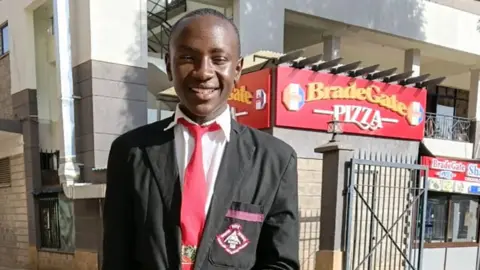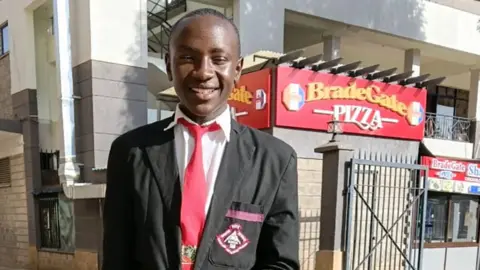
On Tuesday, a 17‑year‑old from Nanyuki disappeared while collecting his school uniform. Two days later, his mother, Lucy Kagure, was told the boy had not been seen by police and hospitals. Upon visiting a local mortuary, she was shocked to find a body listed as an unidentified male – a partial head was split open and clothes soaked in blood.
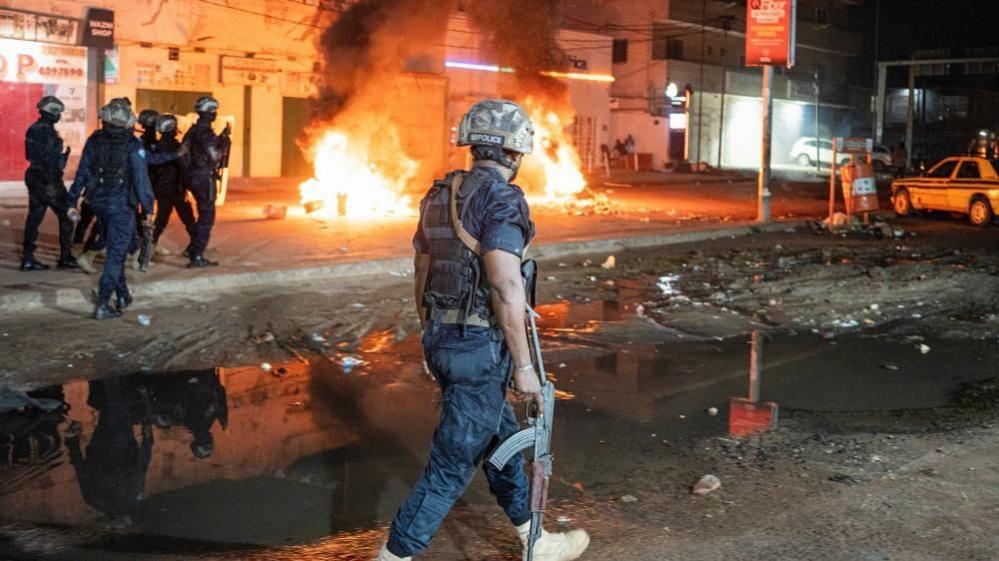
Muigai’s death came amid protests over a U.S.-planned 50‑bed quarantine centre at Laikipia Air Base. Demonstrators had aimed to deliver a petition demanding the facility be relocated, but police barred access and used tear gas, water cannons and, according to witnesses, possibly live ammunition.
Police commander Daniel Kitavi noted that a post‑mortem would confirm the cause of death, although family members fear the boy was shot. Kagure cried that “the police used too much force” and that her son “was killed by a tear‑gas canister or a bullet.”
Kagure, a single mother earning a modest daily wage, described Sylvester as a diligent student who aspired to become a priest. Her grief turns to a plea for justice: “I want answers, I want justice for my boy.”
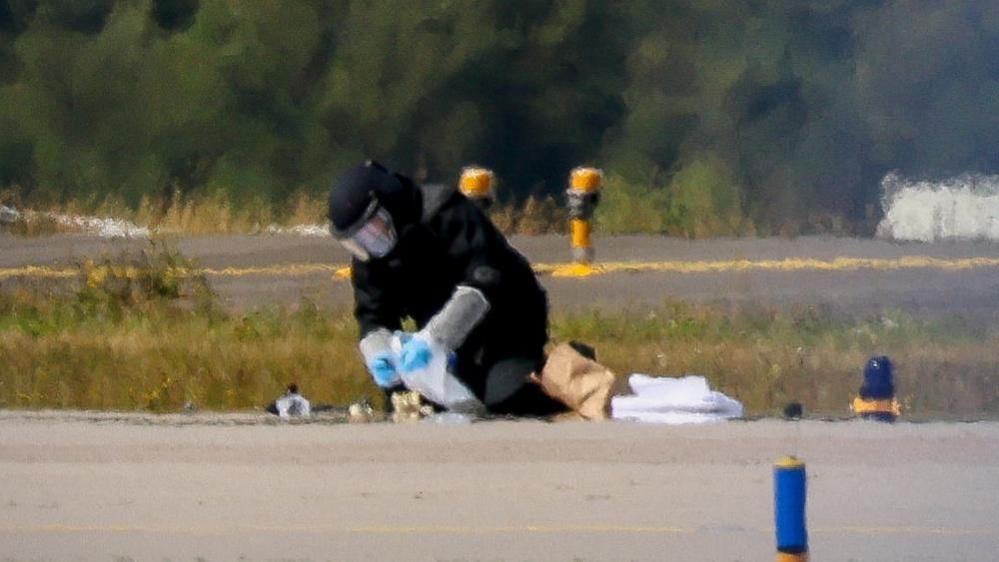
The quarantine centre, intended for U.S. citizens potentially exposed to Ebola in the Democratic Republic of Congo, has faced legal challenges. A High Court halted construction after a rights group alleged the facility posed “imminent risks” to public health, yet satellite images show work continues.
President William Ruto defended the U.S. request, warning that refusing would be “inhuman.” He urged Kenyans to avoid politicising a serious health issue. The protests and subsequent civilian casualties bring into focus questions about transparency, the use of force and the right of communities to say no to arrangements that could compromise their health.