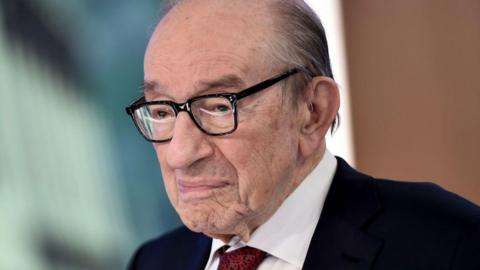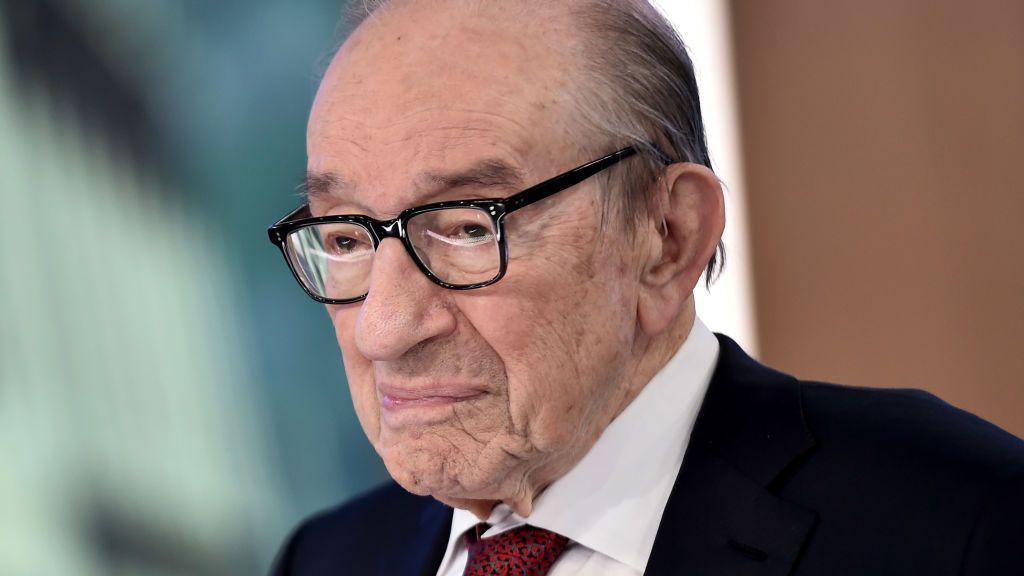
Alan Greenspan, the longest-serving chairman of the U.S. Federal Reserve, died at age 100, after decades of shaping American monetary policy. The “architect of the modern American economy” left a widely debated legacy that stretched back to the 1970s.
Greenspan was announced as retiring from the Fed in 2006 after an unprecedented five terms. He had guided the centerpiece U.S. institution through the 1987 stock‑market crash, the 1990s tech boom, the 2008 global financial crisis, and the post‑9/11 recession. His policies—marked by low interest rates and open‑market operations—were credited with keeping the U.S. economy in perpetual growth for about 40 years, even as critics pointed out that such loose monetary policy contributed to the inflated values of dot‑com stocks and the housing bubble that exploded in 2008.
Critics, including Nobel laureate Paul Krugman, have charged that Greenspan favored the financial sector’s self‑regulation overly much, blaming him for not curbing risky lending practices ahead of the crisis. In 2008, he admitted that his faith in market self‑discipline was misplaced, a confession that emerged during his testimony to Congress.
While Greenspan’s supporters praised his calm during crises—"the buck starts here," a phrase that had become heard at investor meetings—helplessly post‑midnight, detractors accused him of fostering an environment that allowed excessive risk and deferred regulation. Yet other commentators note his consistent emphasis on inflation control helped prevent the 1970s stagflation that plagued the economy earlier in his career.
Beyond his professional life, Greenspan had a quiet personal side—raised by a single mother, he was a clarinetist in his youth, played in a band with jazz legend Stan Getz, and later pursued economics at New York University. He married and divorced a few times before cementing his personal life in 1997 with NBC reporter Andrea Mitchell.
He has been awarded the Presidential Medal of Freedom and an honorary knighthood, and remains a symbol for many of how monetary policy can steer national fortunes. His death is a moment to reflect on the complexities and contradictions of a man credited with steering U.S. prosperity—and also clothed in controversies that endure to this day.