LOS ANGELES (AP) — The aftermath of last year’s catastrophic wildfires in Los Angeles continues to loom heavily over the affected communities. As the first anniversary of the Palisades and Eaton fires approaches, which resulted in the tragic loss of 31 lives and the destruction of around 13,000 homes, only a handful of new homes have been constructed.
Fewer than a dozen houses have risen from the ashes in Los Angeles County since the fire’s outbreak on January 7, 2025, leaving residents questioning the rebuilding process. For many homeowners, insurance payouts have proven insufficient to cover construction costs, and while relief organizations provide some assistance, their efforts are often met with obstacles.
One inspiring exception is Ted Koerner, who, after losing his home in Altadena, used his savings and a swift decision to hire contractors to successfully rebuild his house. A poignant motivation for his quick action was the concern for his aging golden retriever, Daisy Mae. Koerner finished his new home shortly before Thanksgiving, one of the very few to do so.
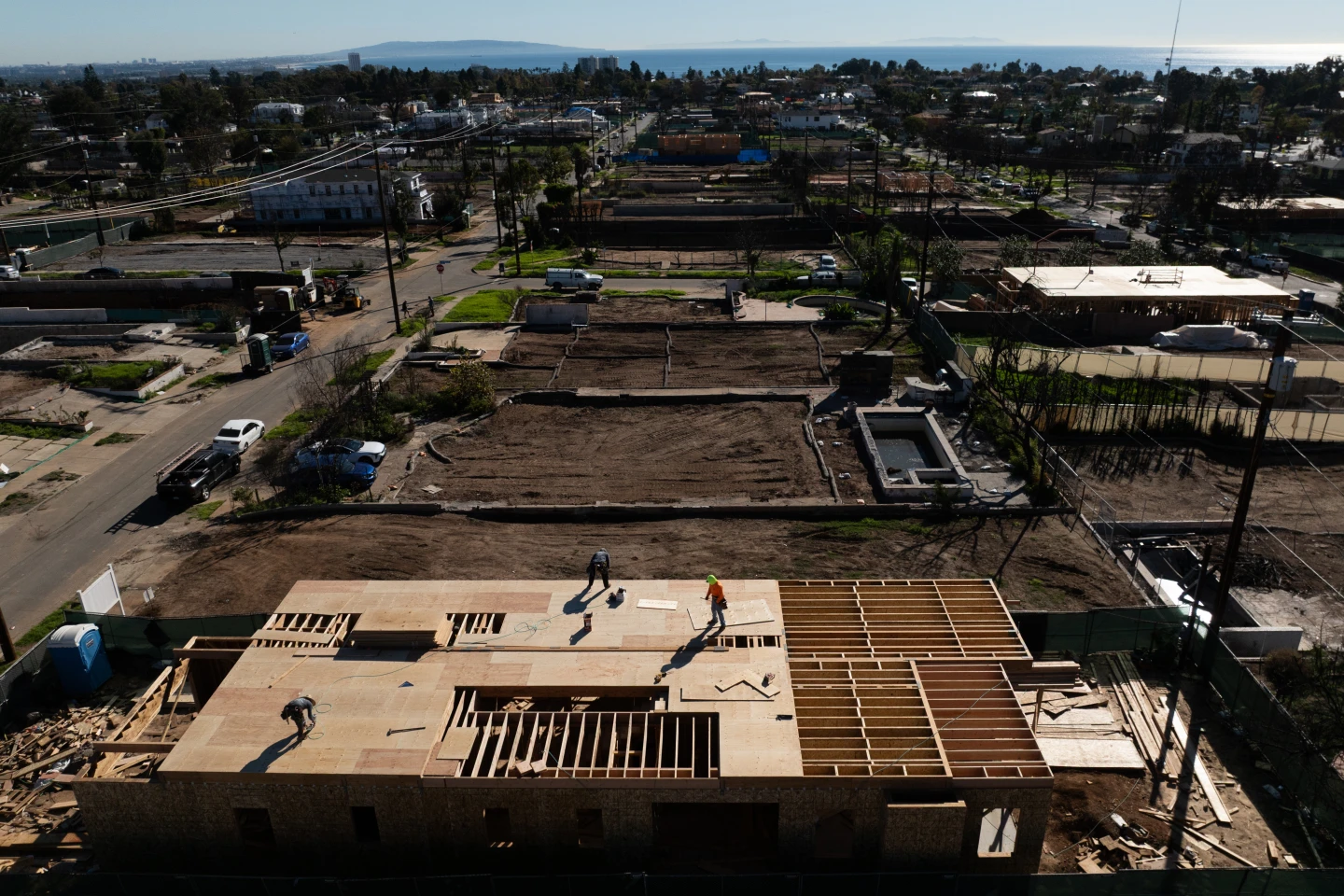
In stark contrast, many neighborhoods in Pacific Palisades and Altadena appear desolate, with dirt lots replacing once-vibrant homes. Nightfall casts darkness on the streets, many of which lack functioning streetlamps, and even those who were minimally impacted are grappling with toxic contaminants in their homes that have halted rebuilding efforts.
Approximately 900 homes are currently under construction, but many families remain hesitant to commit to the often exorbitant costs associated with rebuilding. Statistics show over 600 homes have been sold since the fires, as many residents opt to leave those communities altogether.
Joy Chen, executive director of the Eaton Fire Survivors Network, highlights significant disparities between insurance payouts and actual rebuilding costs, leading to further financial stress for those impacted. Less than 20% of homeowners experiencing total losses have settled their insurance claims, reflecting widespread stress and dissatisfaction with insurance companies.
Among those affected is Jessica Rogers, who rather unexpectedly found out her insurance had been canceled after the fire. Now relying on a Small Business Administration loan to rebuild, she still feels lost in navigating the complex process of securing funds to cover costs.
As time progresses, a troubling narrative emerges regarding social inequity in recovery efforts, particularly affecting minority communities. Research indicates that many Black homeowners in Altadena have not begun rebuilding efforts, raising concerns about long-term recovery disparities.
Despite the slow start to recovery, residents like Al and Charlotte Bailey are determined to rebuild, pledging to restore their home and community, underscoring the resilience and hope that persists even after such devastation.