In brief
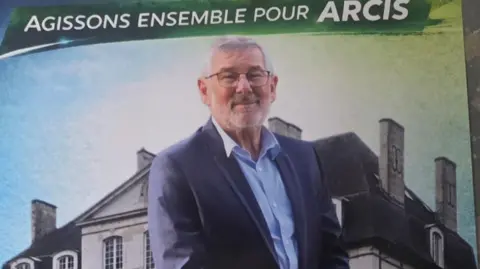
Arcis-sur-Aube, a quaint French town, has become a viral sensation as its mayor, Charles Hittler, runs for re-election against Antoine Renault-Zielinski. The humorous yet problematic nature of their names has drawn considerable media attention and highlighted the absurdity of public perception. Hittler, lamenting the online frenzy, reveals his family history and the reasons behind his unusual surname. With the election drawing near, both candidates navigate this unexpected and humorous situation as they engage with their community.
Arcis-sur-Aube, a small French town, has unexpectedly gained worldwide notoriety as the election for mayor sees Charles Hittler vying for re-election against Antoine Renault-Zielinski. As the vote approaches on Sunday, social media has erupted with posts humorously juxtaposing Hittler’s name with that of Ukrainian President Volodymyr Zelensky, leading to both amusement and concern from the candidates.
“It has gone completely crazy,” Charles Hittler told BBC. He has endured jokes about his name all his life, but the current frenzy has become overwhelming, even affecting his wife's emotions. Social media discussions have interpreted the political dynamics in Arcis as a battle between the names that have historical significance, drawing unintentional connections.
Despite the light-hearted banter online, Hittler expressed a desire for discussions to focus on policies rather than their names. He is a retired laboratory head from a family rooted in Alsace, who retained their surname after World War II amidst concerns of a cumbersome name change.
Meanwhile, his opponent, Renault-Zielinski, acknowledges the unexpected publicity their names have generated. A customs officer with Polish heritage, he has fielded questions linking him to the famous Ukrainian leader, all while trying to steer the conversation back towards local issues.
While the town's history deepens its identity, including its links to 1814's pivotal battles and significant local figures, the election amidst such unique circumstances prompts critical reflection on how names can overshadow individual platforms and community concerns. As the election looms, both candidates navigate this unusual narrative, which continues to captivate the public’s attention.