Challenging the Narrative: Men Countering Toxic Masculinity Trends
In recent years, social media has witnessed the rise of a particular breed of influencers who promote extreme ideals of masculinity. These so-called masculinity influencers advocate for self-improvement practices that often verge on the bizarre, like the infamous suggestion to hammer your facial bones to chisel your jawlines. The notion of looksmaxxing, a concept where individuals attempt to optimize their physical appearance to the utmost degree, finds traction among young men striving for perfection.
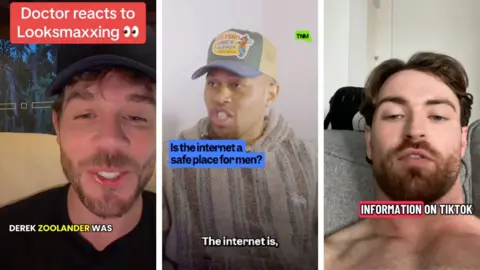
Counter to this phenomenon, a growing number of health-focused men are stepping up to challenge these extreme trends. Armed with qualifications in nutrition and exercise, these influencers critique the sometimes dangerous behaviors promoted by their looks-driven counterparts. They strive not only to provide fact-checked information but to present it in a way that resonates with social media users.
Research from the men’s mental health charity Movember reveals that nearly two-thirds of boys and men aged 16–25 in the UK, US, and Australia engage with masculinity influencer content regularly. Some influencers, such as Braden Peters—known as Clavicular—are promoting harmful practices under the guise of looksmaxxing, including using substance abuse and even physical self-harm to achieve their goals.
For professionals like Dr. Michael Mrozinski, a seasoned sports physician, these trends have turned into a phenomenon he likens to an “absolute monster.” After years of observing the toxicity spread across social media, he cautions against extreme measures that culminate in serious physical risks, including soft tissue damage from blunt facial trauma.
Joining the call for a more balanced approach is registered nutritionist James Brash, who denounces the misinformation propagated by influencers lacking clinical backing. He emphasizes that while physical health cannot be overstated, it should not become a rigid standard shaped by clicks and engagements with no scientific basis.
The counter movement aims to flood social media spaces with diverse representations of masculinity that encompass not just toughness but also kindness, compassion, and care. Ben Hurst from the organization Beyond Equality is at the forefront of this mission, engaging with young men to reshape their understanding of masculinity beyond physicality.
As these men continue their efforts, they hope to instigate a cultural shift in how masculinity is viewed and practiced, moving away from extremes towards a more holistic, healthy, and inclusive approach that factors in both mental and physical well-being.