In brief
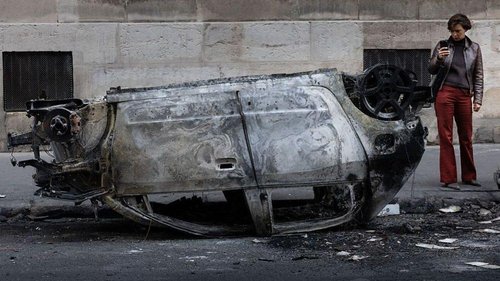
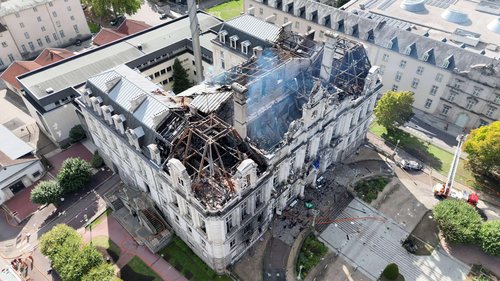
For the fifth consecutive day, masked students and police fought in Tirana’s centre as protests over corruption and the prime minister’s leadership intensified. The confrontations ended with tear gas, rubber bullets and petrol bombs, leaving the city’s education ministry heavily damaged. Protesters demanded Edi Rama’s resignation and a caretaker government, while the government accused opposition forces of sparking the unrest. In the broader context of Albania’s EU accession hopes, the violence raises questions about the country’s political stability and rule of law.
Tirana’s streets turned into a battlefield as masked student demonstrators and riot police fought for the city’s centre in a clash that intensified the anti‑government movement sweeping Albania.
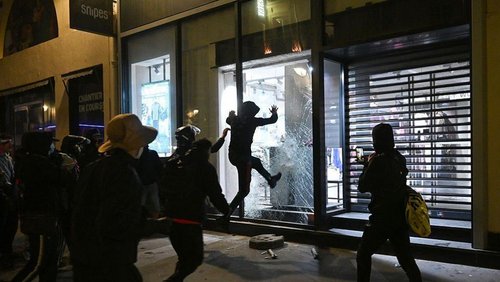
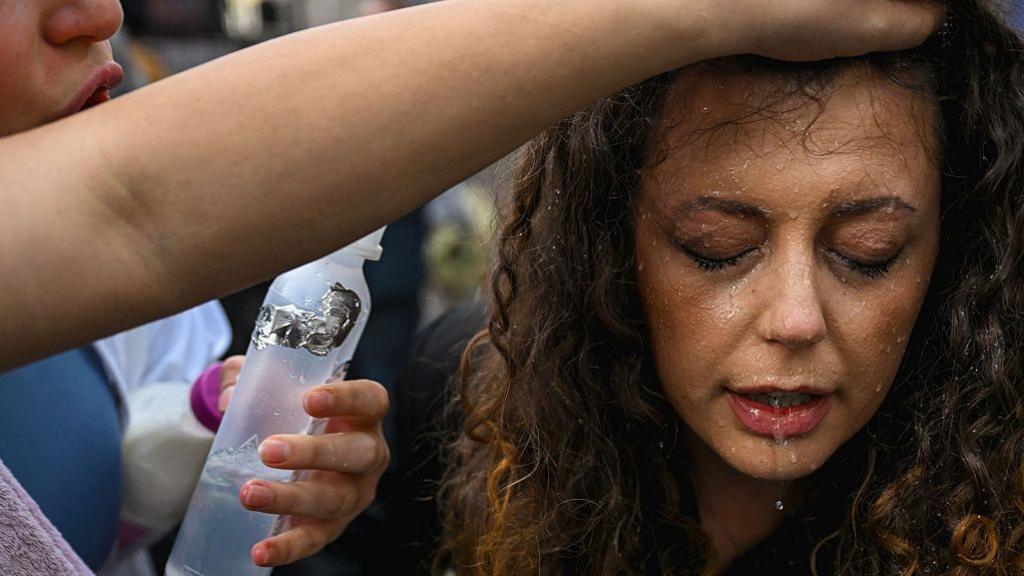
The confrontation began when students threw rocks and petrol bombs at police guarding the education ministry, a focal point of the protests that have been circulating since early June. In response, riot police deployed water cannon, tear gas canisters, and for the first time rubber bullets. Posters highlighted the crew’s use of gas masks and supply of saline eye wash to mitigate tear gas injuries.
Later, crowds surged onto the main boulevard toward the prime minister’s office. The police were struck by a barrage of cobbles and fireworks, with tear gas canisters landing on the crowd’s rear, sparking panic and renewed attacks when the clouds of gas cleared.
“We were peaceful for 135 days. Now we are trying to do what was done in France…, we are trying to make a revolution,” said 19‑year‑old medical student George, who was standing near the burnt‑out ministry. He added that his concern was not for violence but for the fate of families whose livelihoods depend on the protests.
The protests are framed by students as a battle against “the whole corrupt political class.” Journalist Osman Stafa, a prominent activist, has called for a neutral caretaker government for a year to organise new elections, highlighting how Rama’s 13‑year tenure has consolidated power within his Socialist Party.
Despite the violence, the government presents itself as a champion of progress toward EU membership, with Rama promising accession by 2030. He has dismissed the unrest as a product of the opposition Democratic Party and alleged foreign interference but has not identified the actors he references.
The unrest has also coincided with investigations by a special prosecution service, which recently arrested former secret service chief Vlora Hyseni. Accusations centre on her facilitating a businessman tied to Rama to avoid prosecution, further amplifying the government’s legal vulnerabilities.
With 80 people charged to date, and hundreds more detained or investigated, Albania’s political landscape remains volatile. The next parliamentary elections, scheduled for 2029, currently face an uncertain future as protests, corruption allegations, and EU‑driven reforms intersect.