AUSTIN, Texas — Following the controversial acquittal of Officer Adrian Gonzales in the trial concerning the heinous response to the Robb Elementary School shooting, the future of the legal proceedings against former police chief Pete Arredondo remains uncertain.
For nearly three weeks, the prosecution painted a stark picture of Gonzales's inaction amid the unfolding horrors that culminated in the tragic deaths of 19 children and two teachers. However, after just seven hours of deliberation, jurors found him not guilty.
With Gonzales’s acquittal, the focus now shifts to Arredondo, accused of violating established active shooter protocols by ordering officers to delay entry while the shooter was still engaged inside the school, leading to intense public outcry.
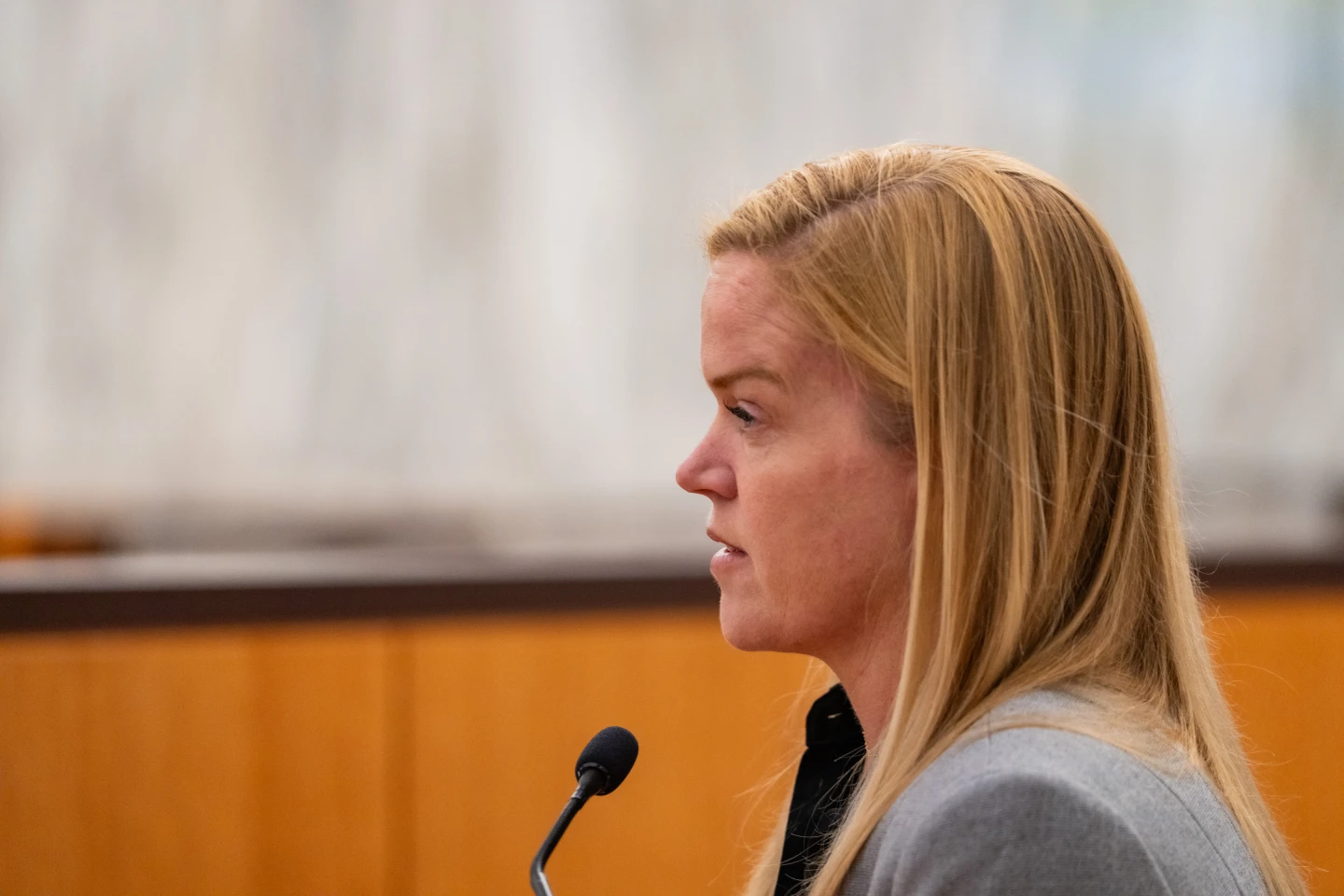
District Attorney Christina Mitchell has refrained from commenting extensively on the strategy going forward but it is widely believed that the legal team will alter its approach in light of the challenges highlighted during the Gonzales trial. Experts suggest a renewed emphasis might be placed on the collective responsibility of all officers who responded to the scene.
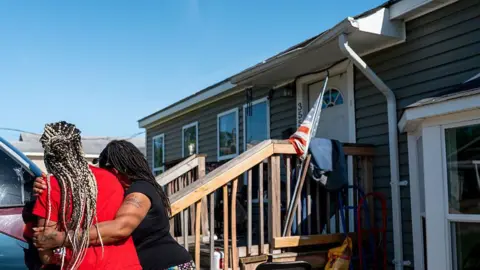
Many family members of the victims have expressed deep frustration over the lack of accountability, urging for a comprehensive reconsideration of law enforcement’s response protocols.
“Again, we are failed. I don’t even know what to say,” lamented Javier Cazares, a grieving parent following the verdict.
The complexity of the case stems from the differing allegations against Gonzales and Arredondo. While Gonzales's actions were scrutinized in the immediate aftermath of the shooting, Arredondo's purported lapse involved a series of decisions that led to a more significant delay in subduing the assailant.
Advocates have called for stringent measures to ensure police officers can be held accountable in crises, emphasizing that the present verdicts could set detrimental precedents regarding public safety.
As the proceedings continue, the pressure mounts on prosecutors as they navigate the sensitive landscape of public expectations and legal standards in protecting the very lives they vowed to defend.