President Donald Trump's popularity among the American public has been eroding steadily since he returned to the White House last January. While some of this is typical for second-term American presidents, Trump's initial decline also reflects ongoing public dissatisfaction with high prices and cost-of-living – issues that have propelled Democrats to wins in a growing number of elections over the past year.
According to data by election analysis website The Downballot, Democrats did an average of 13% better in contested special elections in 2025 compared to the same districts during the 2024 presidential election. The war in Iran has only exacerbated these economic concerns.
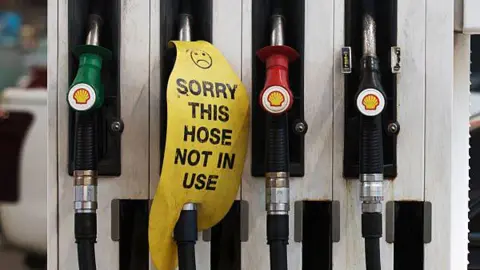
Polling company Ipsos found that 43% of the American public approved of Trump's handling of the economy at the start of his second term. By June 23, 2025, that number had dropped to 35%, a level it hovered around for the rest of the year. Three weeks into the Iran war, gas prices surged to an average near $4 a gallon, and Trump's economic approval rating plummeted to 29%, which is lower than any mark for Joe Biden during his presidency when faced with post-Covid pandemic inflation spikes.
Economic anxiety has contributed to the Republican party's control of the presidency and both chambers of Congress for the past year, and now it appears to be dragging on Trump's net approval. At the start of his second term, political analyst Nate Silver reported Trump had an approval rating of 52%. However, by February 28, at the beginning of the Iran war, only 42% of Americans viewed him positively, which fell to 40% this week, putting him in a precarious position just seven months before the midterm congressional elections.
During the Conservative Political Action Conference (CPAC) in Texas, discussions emphasized the importance of the upcoming elections. Some conservative leaders voiced concerns about the potential repercussions of a Democratic victory. Michael Whatley, a candidate for the North Carolina Senate and former chairman of the Republican National Committee, stressed that a Democrat win would result in chaos and lack of direction.
While Trump's approval rating has suffered, it's noteworthy that a substantial portion of his base continues to support him, particularly in regards to military intervention in Iran. A recent Quinnipiac poll revealed that 86% of Republicans back U.S. military action in Iran, despite declining approval ratings among the broader electorate. Independent voters, crucial to Trump's previous victory, are becoming increasingly discontented, which could signal challenges for the Republican party heading into November.
The ongoing situation with Iran, rising fuel prices, and the discontent among independent voters may pose significant obstacles for Trump as he seeks reelection in the face of potential economic instability.
}