Iranian Perspectives on War and Peace
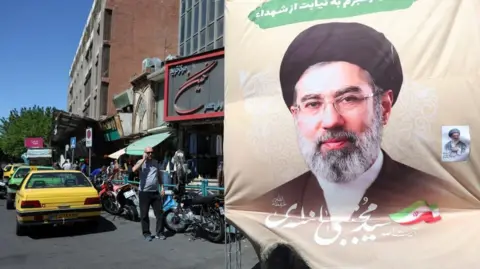
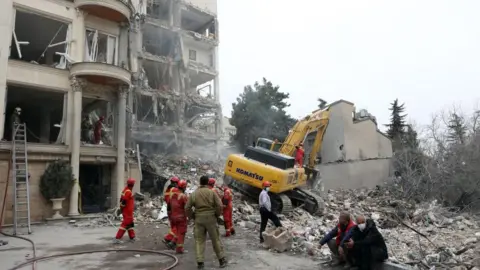
As discussions about a potential ceasefire gain traction, ordinary Iranians find themselves torn between the desire for peace and the reluctance to enable the survival of their current government amidst ongoing violence. The backdrop of US-Iran tensions, highlighted by Trump’s ultimatum regarding the Strait of Hormuz, exacerbates these sentiments.
Initial responses from Iranian officials downplayed any negotiations, labeling them as 'fake news.' However, conflicting statements from US leaders suggest that dialogues might be secretly progressing. In a nation largely cut off from the external world due to government clampdowns, the reality within Iran remains complicated and multifaceted.
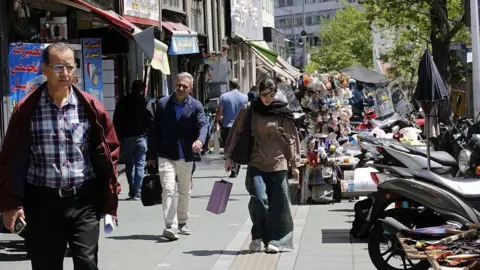
While government supporters rally around state narratives, a significant portion of the population expresses a wish for an end to the war, albeit with hesitation. Many are concerned that peace negotiations could solidify the Islamic Republic's grip on power, further enabling oppression.
Voices such as Kiana, a young woman from Tehran, encapsulate this struggle: I don’t know how to feel. If the war ends, the sounds of explosions will stop, but it could mean supporting a regime that remains repressive. They still wield power, and I fear they could become even more violent. I just want it all to be over, but I'm worried about what comes next.
Others, like Armin, outright reject any negotiations with the Islamic government: It makes Iran credible on a global scale and will allow them to oppress people further. Yet, they also grapple with the feeling of being trapped without effective pathways to challenge the status quo.
Conversations with individuals across the socio-political spectrum reflect deep-rooted concerns over the potential ramifications of peace talks. Parsa from Karaj remains apprehensive: If they stay in power, they will continue to suppress us. They are in a weak position now, and ending the war might allow them to regroup and strengthen their hold.
While some among the population call for transformation within the ruling system, others express a stark desire for peace, even with the current leadership. The complexity of these sentiments reveals a populous both yearning for peace and wary of the political concessions that would allow the current regime to persist.
As the situation develops, ordinary Iranians will continue to navigate their hopes for peace against a backdrop of fear, oppression, and uncertainty about the future of their country.