In brief
On October 18, 2026, Donald Trump announced a halt to several U.S. sanctions against Russia, citing a desire to keep peace negotiations alive in the war between Russia and Ukraine. The move comes after a tiff with Ukrainian President Volodymyr Zelensky over sanctions and a U.S. deal to import Russian diesel. Moscow welcomed the pause, saying it would have damaged the global economy, while Kyiv accused Washington of helping Russia’s war effort. The U.S. Commerce Secretary said the pause would be reviewed for 60 days. Amid the debate, Ukraine highlighted concerns over U.S. actions like Starlink throttling and intelligence sharing.
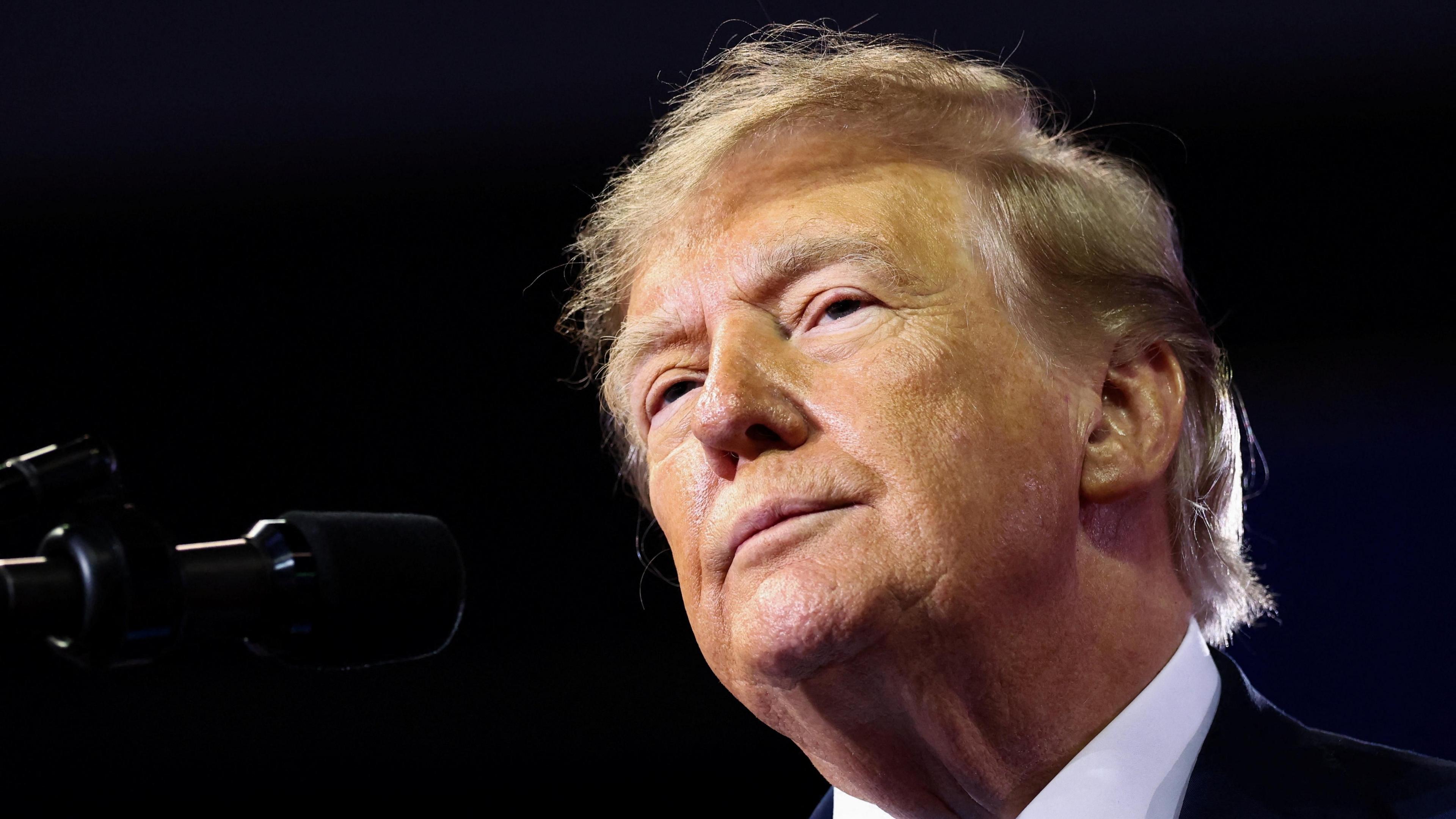
U.S. President Donald Trump announced on his Truth Social platform that he was suspending several sanctions originally due to take effect against Russia, saying it was an effort to keep Moscow at the bargaining table in their war with Ukraine.
"I am in the process of negotiating peace in the war between Russia and Ukraine," Trump posted, adding that he did not want to drive Russia off the negotiating table. The order came, according to Trump’s administration, two days before the sanctions would have applied, while tensions with Ukrainian President Volodymyr Zelensky had escalated over Ukraine’s push for stricter sanctions.
The sanction pause was welcomed by Russian envoy Kirill Dmitriev, who called it an "important and truly historic moment" and warned that the cancelled measures would have inflicted heavy damage on the U.S. and world markets. U.S. Secretary of State Marco Rubio described the pause as a 60‑day review, advising that the impact on U.S. and global economies be analysed.
Zelensky criticized the decision, claiming the U.S. was effectively funding Russia’s war effort by buying Russian diesel, a move that had sparked concern among Kyiv and its European allies for inflating energy prices amid the Iran‑related war sorties. He accused Washington of siding with the Kremlin and insisted that peace was desirable but that Putin refused to negotiate.
Ukraine also raised concerns that the U.S. had debatable ties with Russian actions that affected its satellite communications, citing alleged restrictions on the Starlink network that Brussels insisted had been linked to technical issues. Kiev has noted that Starlink operates at higher speeds on EU territory.
The sanctions had, until the pause, limited Russia’s ability to export oil to major markets and allowed it to redirect crude to China and India. About 50% of Russia’s crude is now flowing into Chinese markets, with India making up a further 37%, according to the Centre for Research on Energy and Clean Air.
As the U.S. pauses its sanctions, Kyiv and its allies push for a clear stance on supporting the war effort and urge Washington to lift additional measures against Russia. Meanwhile, Moscow has stressed that further steps would prevent Russia from maintaining influence over global energy supply.