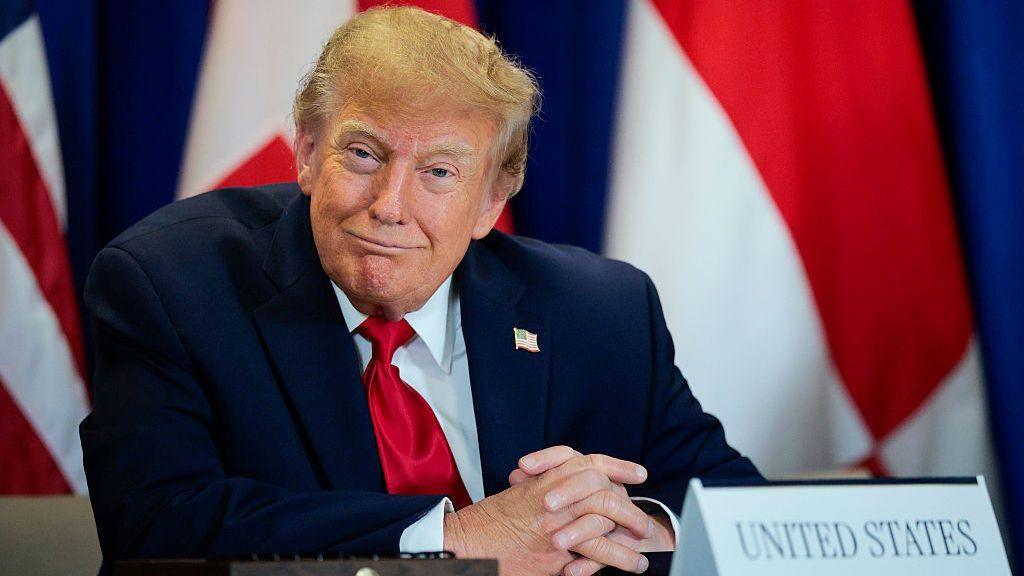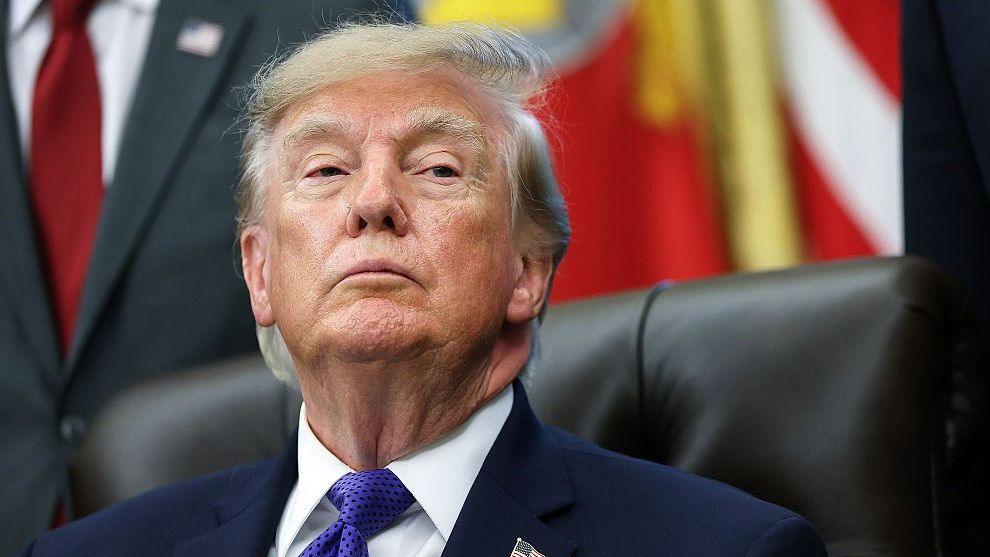
President Donald Trump has announced the creation of the Super Intelligence Force, a new taskforce meant to lead the United States’ strategy on artificial intelligence.
The force will be led by National Intelligence Director Jay Clayton and is designed to coordinate the federal government’s engagement with consumers, public‑interest groups, religious organisations, critical‑infrastructure providers and companies that build or use Super Intelligence.
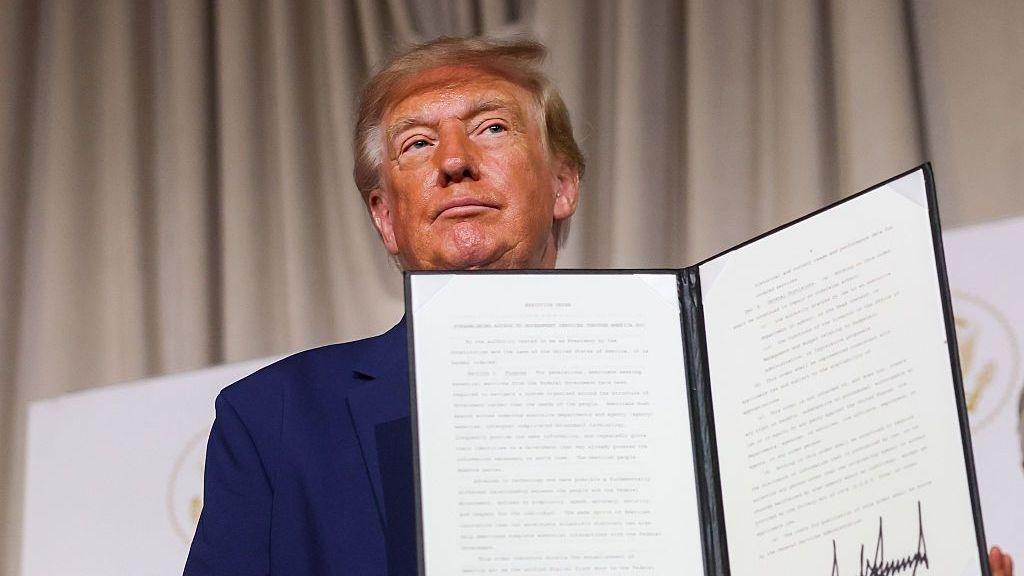
Trump’s move comes after an executive order issued on 29 September that renames artificial intelligence as “Super Intelligence” – a term he says sounds more authentic and removes the “fake” connotation of the word AI.
Key members of the taskforce will include FTC Chair Andrew Ferguson, the Undersecretary of Defence for Research and Engineering Emil Michael and Office of Personnel Management Director Scott Kupor. The group will report directly to the President and White House Chief of Staff Susie Wiles.
The announcement follows a “morally binding” pact signed by top tech executives from OpenAI, Anthropic, SpaceX and Google, in which they agreed to self‑regulate the technology’s development and safety.
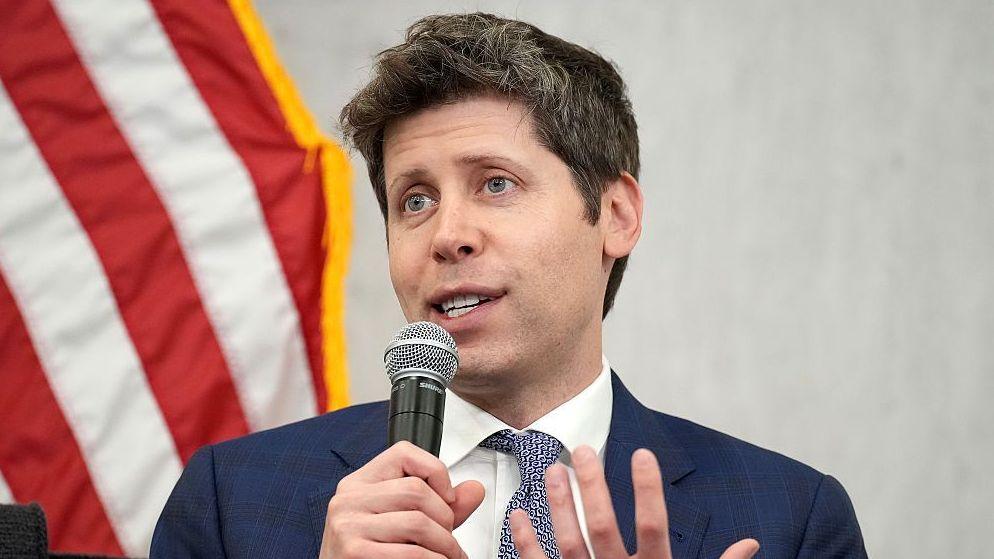
Reactions to the rebrand and new taskforce are mixed. OpenAI CEO Sam Altman has defended the benefits of AI, arguing that the technology should remain accessible even if some risks persist, while critics worry the shift to Super Intelligence could create confusion about the scope of regulation.
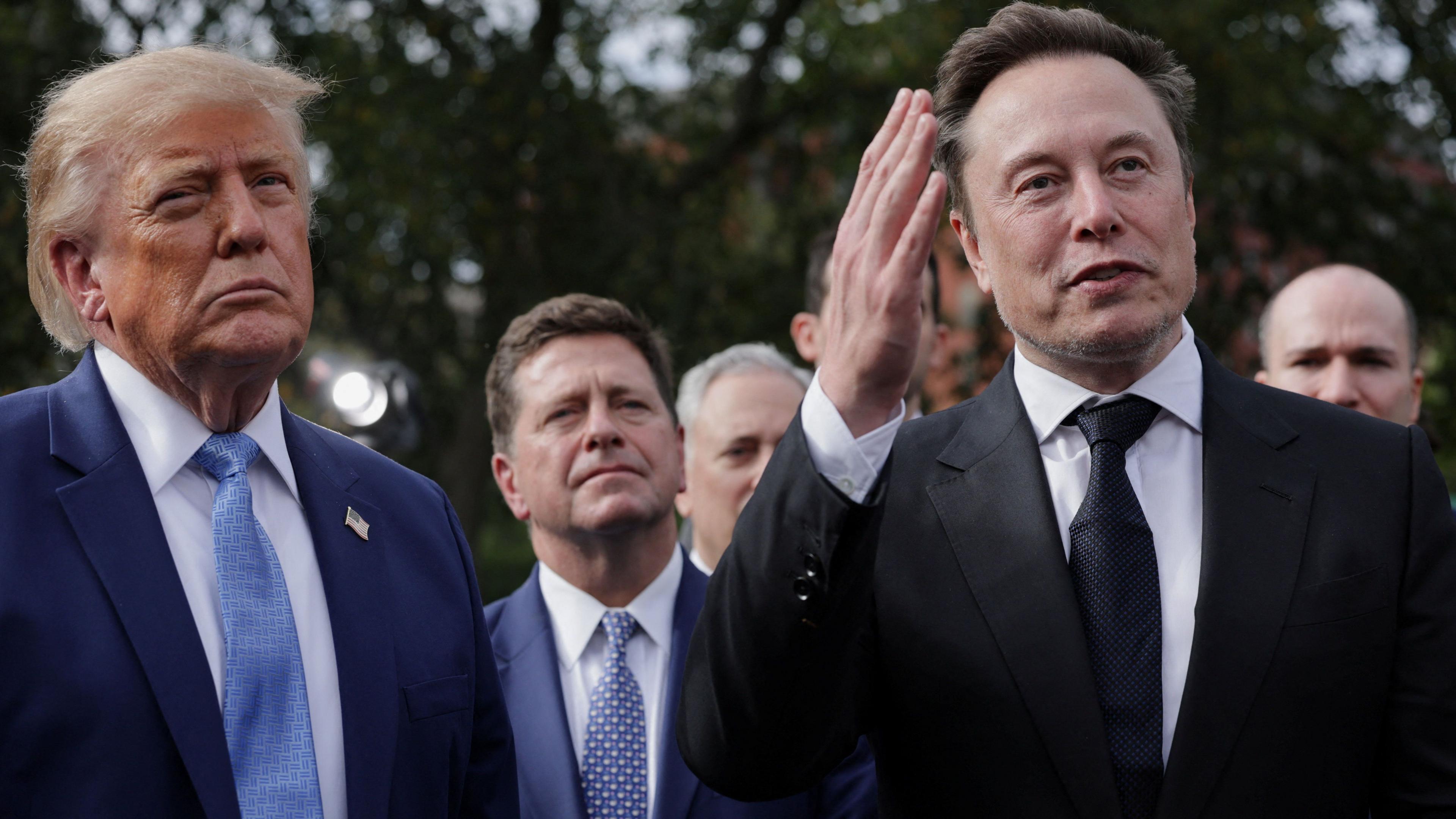
High‑profile tech figures have already begun using the new terminology. Billionaire Elon Musk announced that his company’s AI platform would be renamed SpaceXSI and referred to his firm as a “super intelligence company.”
Overall, the Super Intelligence Force signals a push to formalise US oversight of AI while attempting to maintain the country’s technological edge in the face of growing global competition and industry calls for tighter regulation.