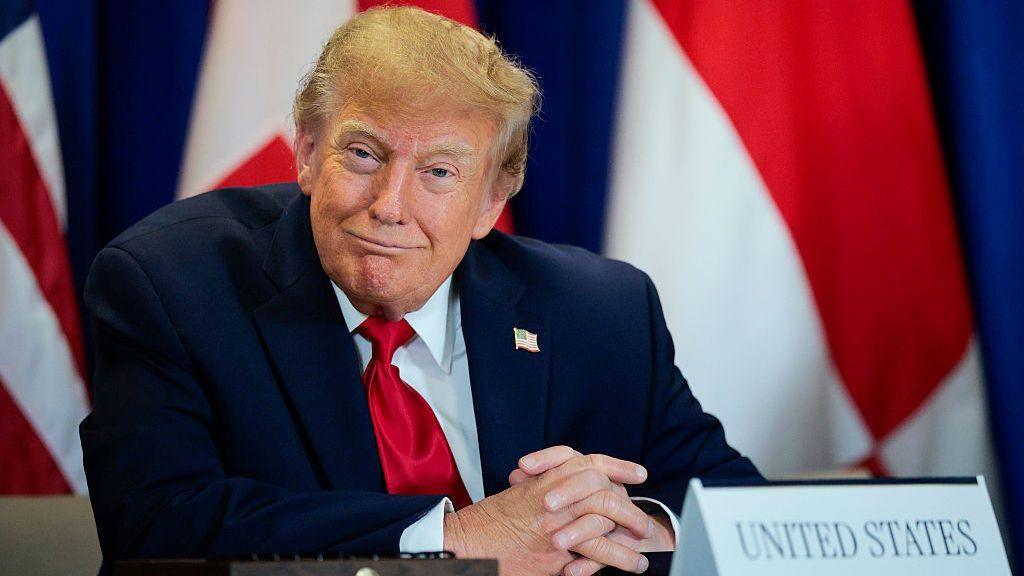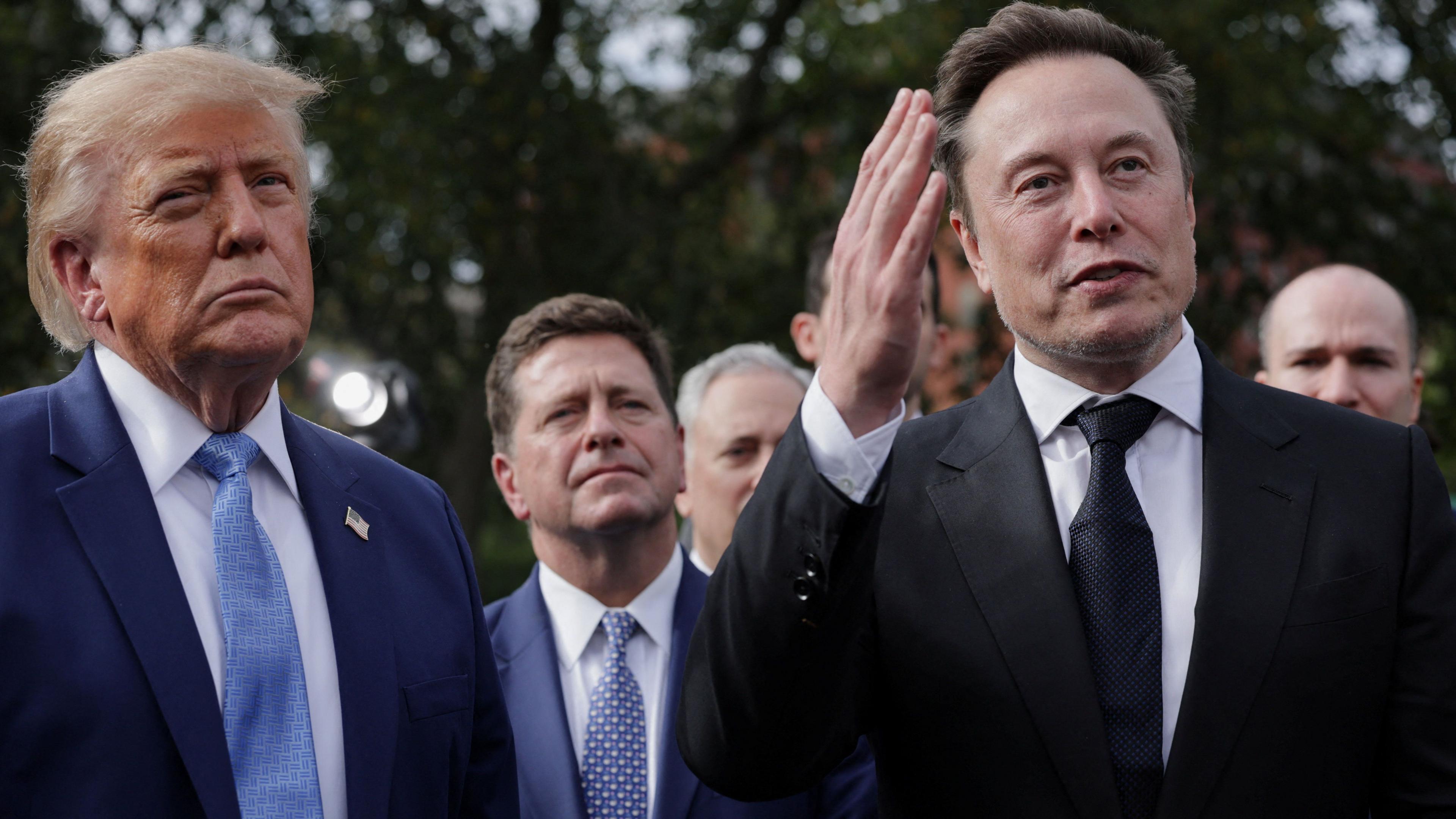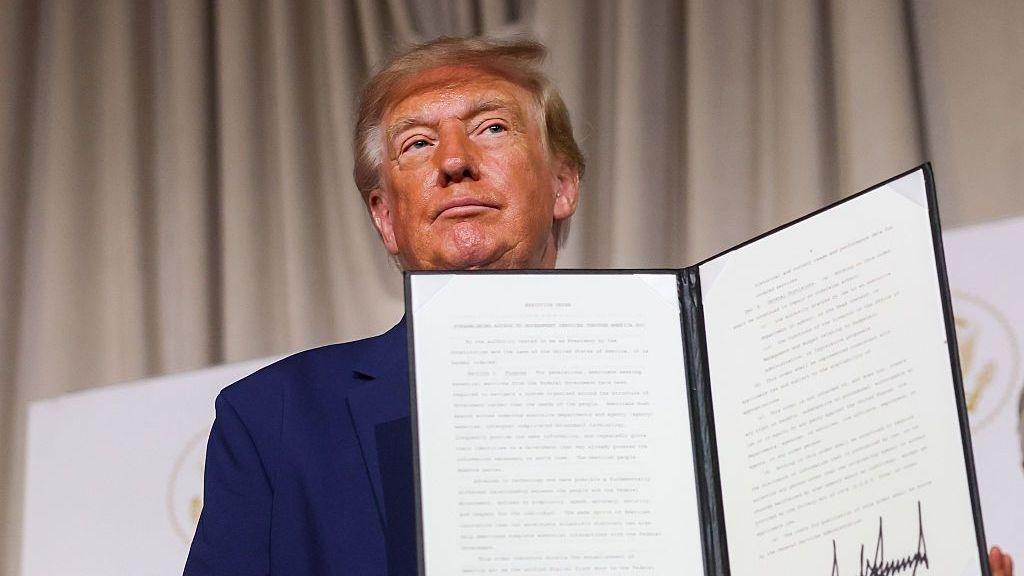
Prime Minister Mark Carney revealed last week that Canada has taken the unlikely possibility of a U.S. invasion into the realm of serious risk management, citing the shift in U.S.-Canada relations under President Donald Trump and the president’s stated desire to make Canada the 51st state. Carney told the New York Times that he had no qualms about preparing for even the most remote scenario, explaining that he believes a real threat still exists in the form of economic pressure.
Military experts agree such an invasion would be almost impossible to imagine. Lt‑Gen Christopher Coates—a former Royal Canadian Air Force officer and long‑time NATO member—explains that Canada and the U.S. collaborate on Arctic defence missions through NORAD and share intelligence, making a direct armed assault unlikely. Instead, Coates warned that an attack would probably begin with cyber‑warfare or other covert means before any ground operation could be launched.
Historically, Canada has resisted U.S. expansionism, with roots dating back to the 18th and 19th centuries. After the American Revolution, the British North American colonies that became Canada remained loyal to the Crown, while the U.S. attempted to seize Montreal in 1775 and nearly captured Quebec during the War of 1812. Over time, the two nations became natural allies and locked in a complex web of economic and military cooperation, but these new exercises signal a return to the old war‑planning mentality.
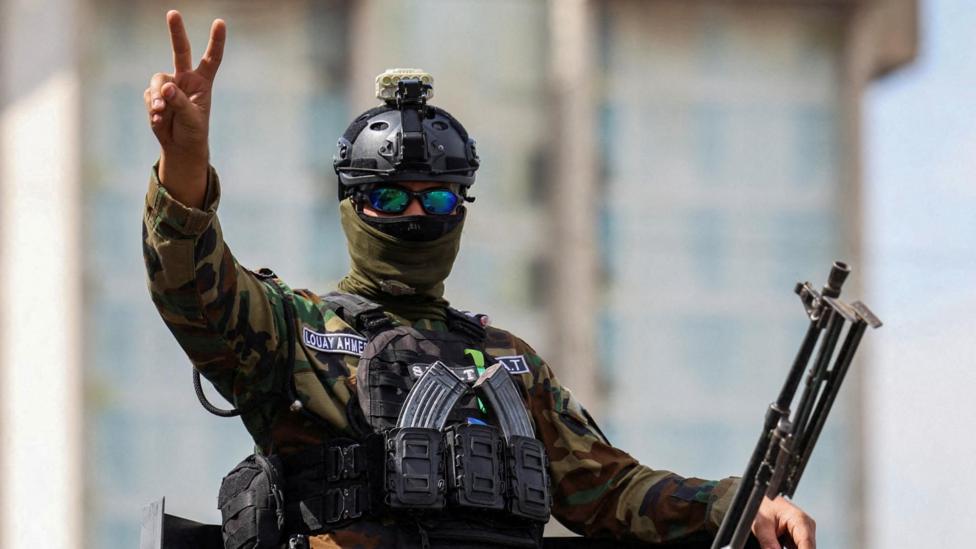
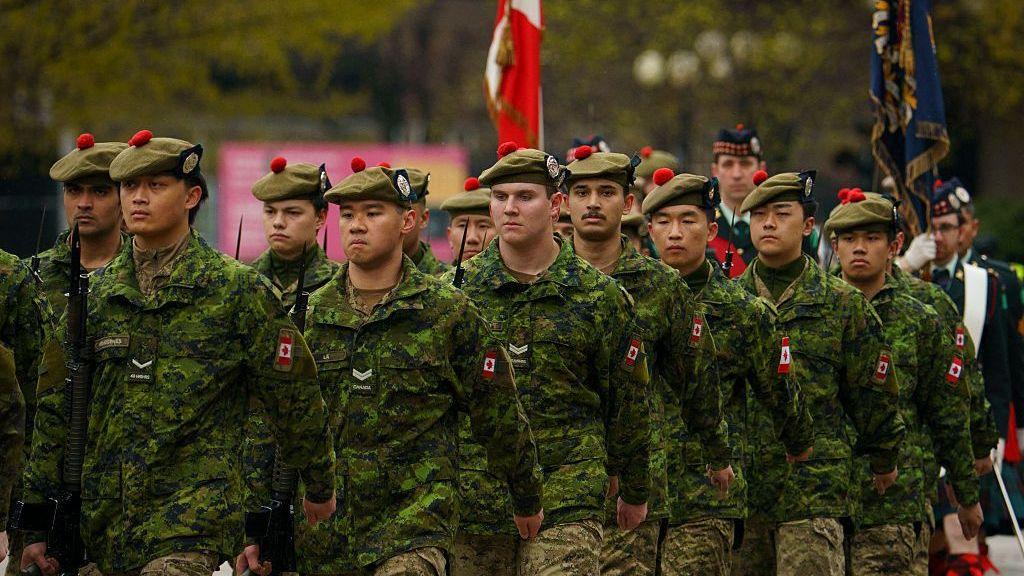
According to a model used by the Canadian military, a U.S. invasion would overwhelm Canadian positions within the first week, leaving Canadians forced into guerrilla‑style resistance. Allied nations such as the United Kingdom and France would likely intervene. Senior defence officials argue this exercise reveals how out of date Canada’s response plans were and that a significant force expansion – possibly 300,000 lightly trained citizen soldiers – may be required.
While the U.S. has the firepower to overpower Canada, the political will to fight a neighbouring power would be shaky. Associate professor Matthew Schmidt of the University of New Haven says many U.S. officers would likely view an order to invade Canada as illegal or immoral.
The reality is that Canada’s current exercise demonstrates a strategic anxiety about its fate in a shifting global order, and forces Canadian leaders to reconsider how far their alliance with the U.S. should run if new politics take hold.