
In brief
In a summer executive order, President Donald Trump has authorized the Department of the Interior to place warning signs outside Smithsonian museums about exhibits he deems "inaccurate". The order, titled "Restoring Trust in the Smithsonian Institution", criticises the museum's leadership for using history as a tool to advance social‑justice agendas, accusing it of fostering a Marxist, anti‑American bias. The directive follows earlier Trump actions, including a March order to eliminate "divisive or anti‑American" ideology from Smithsonian projects, and a scathing report from the White House Domestic Policy Council. Smithsonian officials are yet to respond, and the move has intensified congressional hearings and legal challenges over the federal government’s role in shaping cultural narratives.
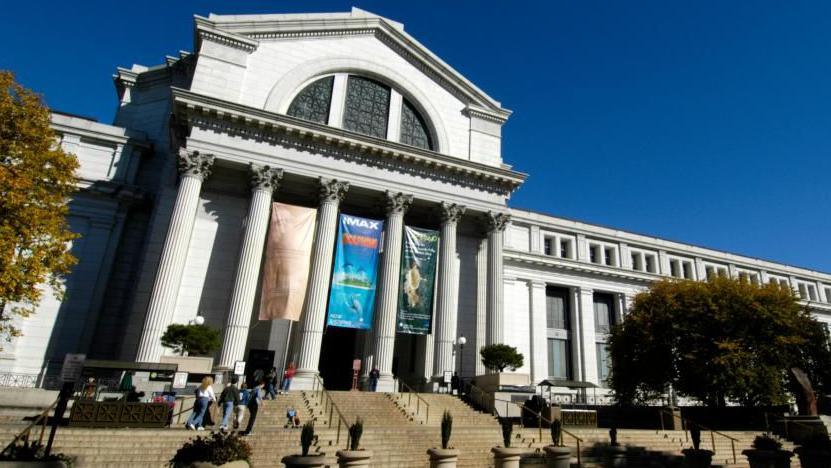
President Donald Trump has ordered the Department of the Interior to place warning signs outside Smithsonian museums, cautioning visitors about exhibits that his administration calls "inaccurate".
The executive order, titled Restoring Trust in the Smithsonian Institution, directs the federal agency to issue the warnings and points people toward information that the administration claims is "accurate" about American history.
Earlier this month the White House issued a report describing the museum’s narrative as driven by a "woke" ideology rooted in Marxism, accusing it of seeking to divide and discourage Americans. Trump’s order follows a March directive that called for the Smithsonian to eliminate "divisive or anti‑American ideology" from its projects.
The Smithsonian, which operates 21 institutions on the National Mall and beyond and receives federal funding, has yet to respond to the BBC's request for comment. Critics argue the move infringes on academic freedom and the museum’s role as an objective public resource.
Trump has been targeting what he sees as a left‑wing, anti‑American bias in federal institutions and has signed several orders to curb diversity, equity and inclusion programs across government agencies, actions that have drawn legal challenges.
With millions of visitors each year, the Smithsonian’s museums serve as a key site for national heritage. This latest order represents a significant step toward reshaping how the American past is presented to the public.



