In brief
The COP31 conference in Antalya brought together world leaders to confront the sharp increase in natural disasters and energy costs, demanding urgent measures to shut down fossil fuels and invest in nature-based solutions. Pledges ranged from Britain’s 70% cut by 2030 to China’s 2060 carbon‑neutral goal, with emphasis on climate‑energy security links. The event ended without a binding treaty, but diplomats agreed to a coordinated framework and greater aid to vulnerable nations.
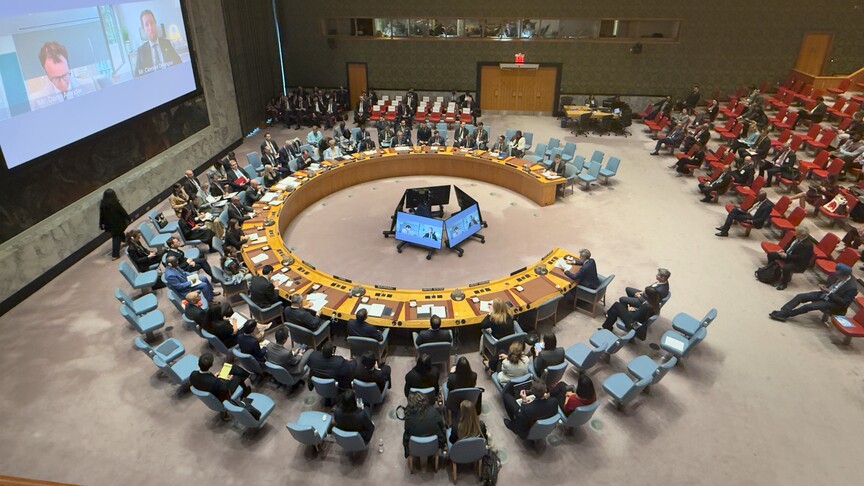
More than 190 national leaders gathered in Antalya, Turkey, from 4 to 16 November for the 31st United Nations Climate Change Conference (COP31) after a year marked by record‑setting natural disasters and steep rises in energy prices.
Delegates entered the meeting following a wave of floods in Europe, Sri Lanka and parts of Africa; devastating wildfires in the Amazon and California; and unprecedented heat waves across the United States and the Middle East. Rising electricity costs, which have in part stemmed from geopolitical tensions in the energy markets, added urgency to the talks.
Turkish President Recep Tayyip Erdoğan opened the conference by stressing that the climate crisis is inseparable from energy security. He urged other nations to join voluntary pledges to cut carbon emissions and to find “new, innovative solutions” that would accelerate the transition to clean energy.
European leader British Prime Minister Rishi Sunak pledged a 70% reduction in the United Kingdom’s greenhouse‑gas emissions by 2030, echoing the Paris Agreement’s temperature limits. U.S. President Joe Biden reiterated the United States’ commitment to a 40–50% drop in national emissions by 2030, outlining a broadened “green infrastructure” agenda and a reinforced rollout of electric vehicles.
In East Asia, Chinese President Xi Jinping underscored China’s pledge to achieve carbon neutrality by 2060 and to peak emissions before 2030. Brazilian President Luiz Inácio Lula da Silva reaffirmed Brazil’s commitment to the 2023 Amazon Conservation Law and the continued expansion of renewable power.
The conference emphasized the linkage between climate and energy security. Delegates discussed the importance of diversifying energy sources, supporting resilient grid infrastructure, and investing in energy‑storage systems to guard against future shocks.
Experts highlighted nature‑based solutions—such as reforestation, peatland restoration, and regenerative agriculture—as pathways that can deliver both carbon removal and community resilience. These initiatives were seen as vital for protecting vulnerable populations most affected by the recent disasters.
While the meeting did not produce a binding treaty, diplomats agreed to work toward a coordinated framework that could see increased financial flows to vulnerable nations and a stronger regulatory environment for fossil‑fuel coalitions.
The COP31 conference will conclude on 16 November, a day before the UN climate summit in Hamburg, Germany, during which a broader range of policy actions is expected to be adopted. The outcomes of this week in Antalya will therefore shape the next major global push to meet the Paris Agreement’s temperature limits, with the world’s leaders still weighing how to deliver on climate commitments amid rising energy costs and public accountability pressures.