Trump‑Xi Summit: Concessions, Silence and the Future of US‑China Relations

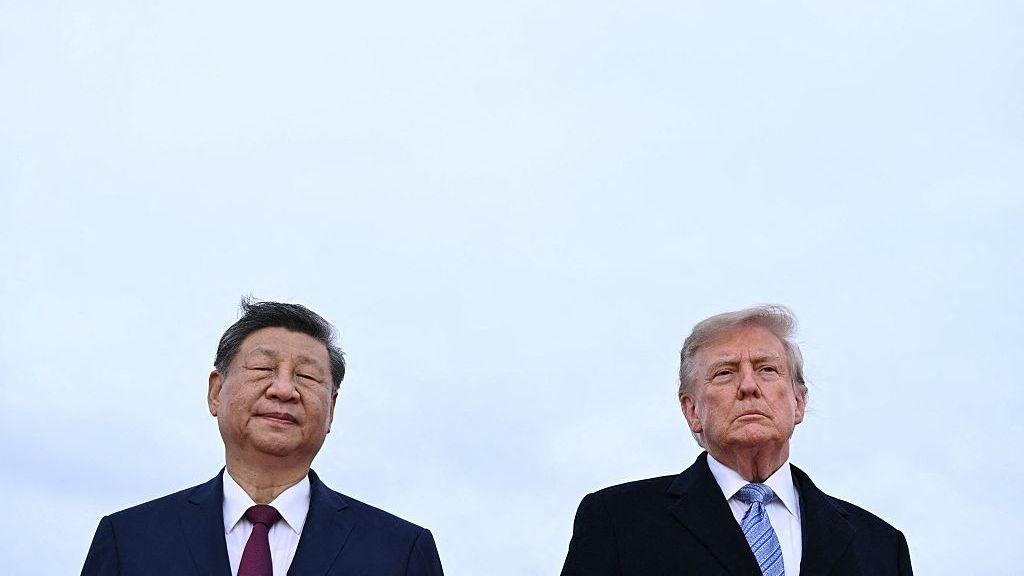
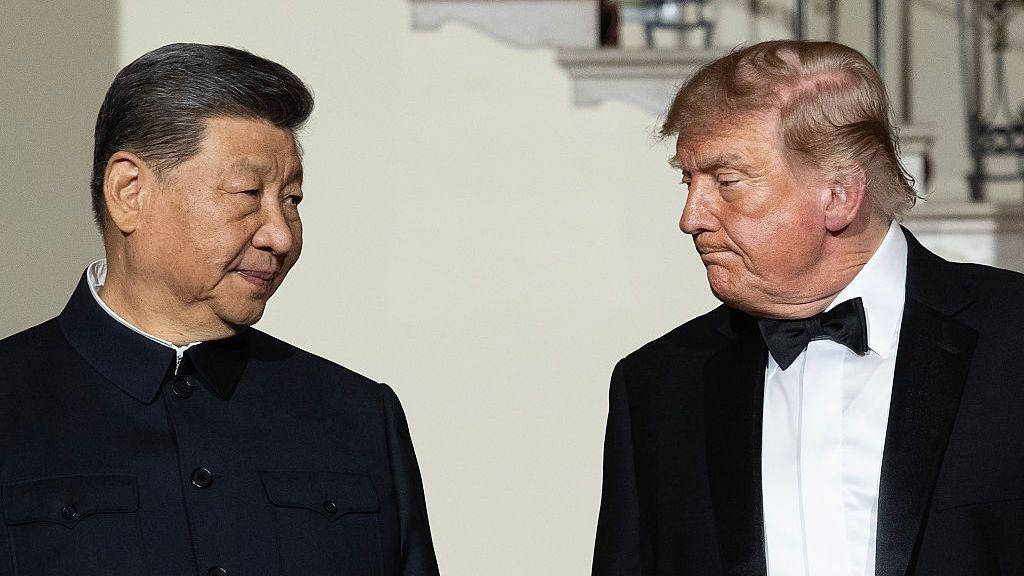
On Monday, China released details of what was agreed at the previous week’s talks. The releases highlighted a handful of concrete outcomes, yet the summit remained light on joint statements and major breakthroughs. Instead, both governments issued separate accounts of the meeting – a possible sign that Washington and Beijing still view each other with a degree of caution.
New AI Dialogue and Communication Channel
China agreed to launch a new AI dialogue with the United States, with further talks slated for late November.
Both sides race to develop advanced AI and see the need for guardrails around a technology increasingly used in business and military planning. The pair also agreed to establish a communication channel for AI‑related incidents to prevent misunderstandings from escalating.
Trade Truce – What Was Included and What Was Left Out
Chinese state media confirmed that the trade truce was extended until 10 January, giving both leaders time to meet again at major international summits later in the year. Beijing secured lower tariffs on $30 bn of goods bound for the United States, including toys, household appliances and other consumer goods. The U.S. also pledged to purchase at least 10 million metric tons of coal annually in 2027 and 2028.
Key exclusions include no mention of increasing exports of China’s rare‑earth minerals to the U.S. or easing of restrictions on advanced U.S. semiconductors.
Taiwan – The Silence and the Pressure
The White House factsheet made no mention of Taiwan, yet Beijing’s accounts reveal that Xi urged Donald Trump to formally oppose Taiwan independence and handle the issue with caution. Trump previously warned that U.S. forces would not travel 9,500 miles to fight a war over the island. This time he disclosed far less and said: “We didn’t talk about it too much … right now, it’s fine.”
Opening Investment Doors, Still Under Control
China announced it will allow more foreign financial firms, including American‑backed banks, investment companies and insurers, to apply to do business and open offices. However, all approvals remain subject to Chinese laws and regulations. Beijing also discussed ways to increase the number of flights between the two countries.
Despite visa‑free entry for 75+ countries, China has not extended that to Americans, and the U.S. State Department still advises travelers to exercise caution due to risks of arbitrary law enforcement.
So What Do We Know?
While the summit produced more dialogue than decisional change, it reaffirmed that the most contentious issues – from advanced technology to Taiwan – remain unresolved. The talks offered modest economic concessions and a reaffirmation of communication channels, yet the underlying strategic rivalry persists. For both leaders, the familiar outcome was a promise to keep lines open and easing tensions, though real compromise was out of reach today.