Together we are in a position to… end decades of suffering, stop generations of hatred and bloodshed, and forge a beautiful, everlasting and glorious peace for that region and for the whole region of the world.
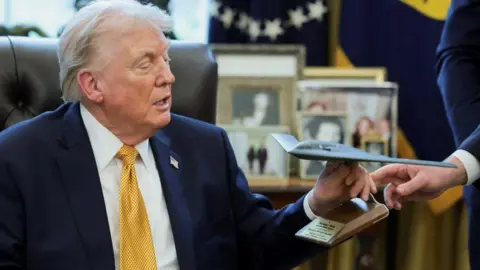
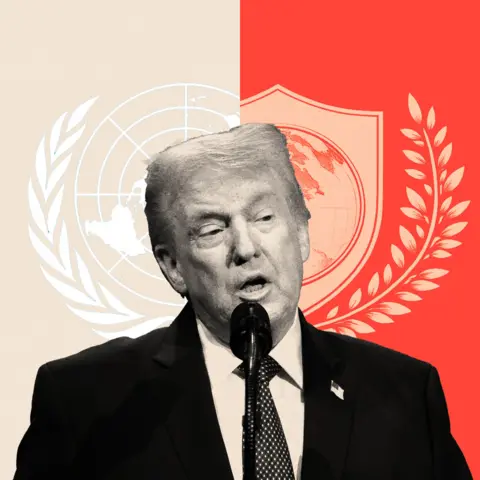
Such was the soaring promise of US President Donald Trump as he inaugurated his new Board of Peace on the stage of stages that is the Davos Economic Forum this week. The world of all too much suffering and strife badly wants to believe him.
But for many observers and officials in capitals the world over, it is yet more proof of Trump's drive to dismantle the post-war international architecture and replace it with new institutions - dominated by him. We will not let anyone play us, Poland's Prime Minister Donald Tusk warned tersely on social media.
Trump’s new Board of Peace reportedly emerged from US-led efforts to resolve the ongoing conflict in Gaza and aims for broader objectives globally. Critics, including some European leaders, express concerns about the implications of a Board led by Trump, particularly regarding diplomatic integrity and the longstanding frameworks of the UN.
Details have leaked about the Board's charter, which grants Trump vast powers as its chairman for life, including the ability to invite countries to join and dissolve subsidiary bodies at will. The quest for $1 billion contributions for permanent membership has raised eyebrows and skepticism among potential allies.
The inauguration was attended by representatives from nineteen countries, with Trump optimistic about forming alliances. However, many nations remain wary, citing the need for peace negotiations that respect the UN's established processes.
Trump’s contradictory statements about the UN reveal his mixed sentiments on its effectiveness. While he acknowledges the UN's potential, he has expressed frustration over its failures to resolve major international conflicts, advocating the notion that his Board could serve as a better alternative.
Overall, while Trump aims to reshape global diplomacy with his Board, significant doubts linger about whether this new institution will complement or compete with existing organizations like the United Nations.