Trump Nominates Kevin Warsh as Chairman of the Federal Reserve
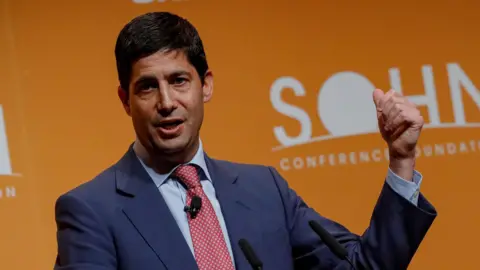
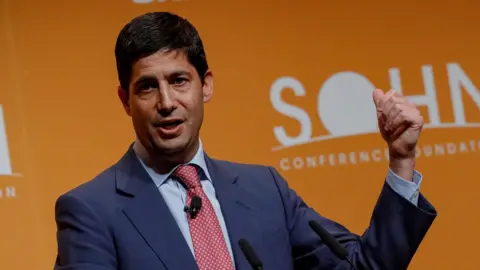
US President Donald Trump has picked Kevin Warsh to lead the US Federal Reserve when current chairman Jerome Powell's four-year term ends in May.
Warsh is a former Fed governor and was considered for chair during Trump's first term. He has been an outspoken Fed critic and is expected to support lower interest rates in the near term.
The appointment comes amid mounting worries about the Fed's independence, following Trump's increasing attacks on Powell in recent months.
Powell has angered Trump by not cutting interest rates quickly enough, and federal prosecutors have opened a criminal investigation over testimony he gave to the Senate about renovations to Fed buildings.
The Department of Justice (DoJ) probe prompted a forceful condemnation from Powell and messages of support from former Fed chairs and central bank heads.
Warsh, who served as a Fed governor from 2006 to 2011, had re-emerged as a potential choice for the top job as speculation grew over who would replace the under-fire incumbent.
Announcing the nomination on Truth Social, Trump said Warsh will go down as one of the GREAT Fed Chairmen, maybe the best.
Warsh's appointment still needs Senate approval, which could face delays. If confirmed, he will take the helm of the Fed at a tense time, with economists and investors watching for safeguards against any threats to the bank's autonomy.
Who is Kevin Warsh?
Warsh, a 55-year-old economist, is a fellow at the Hoover Institution and serves on the board of courier UPS. He has been an outspoken Fed critic, lambasting the central bank's reliance on data and its balance sheet exposure.
He had a hawkish reputation as a Fed governor, favoring higher interest rates and inflation concerns, yet now supports lower rates. He argues for shrinking the Fed balance sheet to reduce short-term interest rates, though critics question this approach.
This week, the Fed held interest rates steady despite pressures from the White House for a cut. Although signs of stabilizing employment are evident, inflation remains above the Fed's 2% target.
Warsh will need to convince his colleagues that rate cuts are justified this year, which could be difficult unless the job market weakens or inflation eases, Deutsche Bank economists noted.
Warsh's candidacy is also tied to family connections within Trump's circle, raising additional scrutiny on how independently he might act. Senate resistance is growing, particularly from Senator Thom Tillis, who opposes Trump's nominees until the Powell investigation concludes.
Trump has also expressed desire to remove Fed governor Lisa Cook, accusing her of mortgage fraud.
Overall, Warsh's nomination has sparked mixed reactions in financial markets, with the dollar strengthening and gold prices dropping following news of his potential appointment.
As Warsh steps into the spotlight, market participants will scrutinize his actions and statements, seeking assurance of Fed independence amid ongoing political tensions.