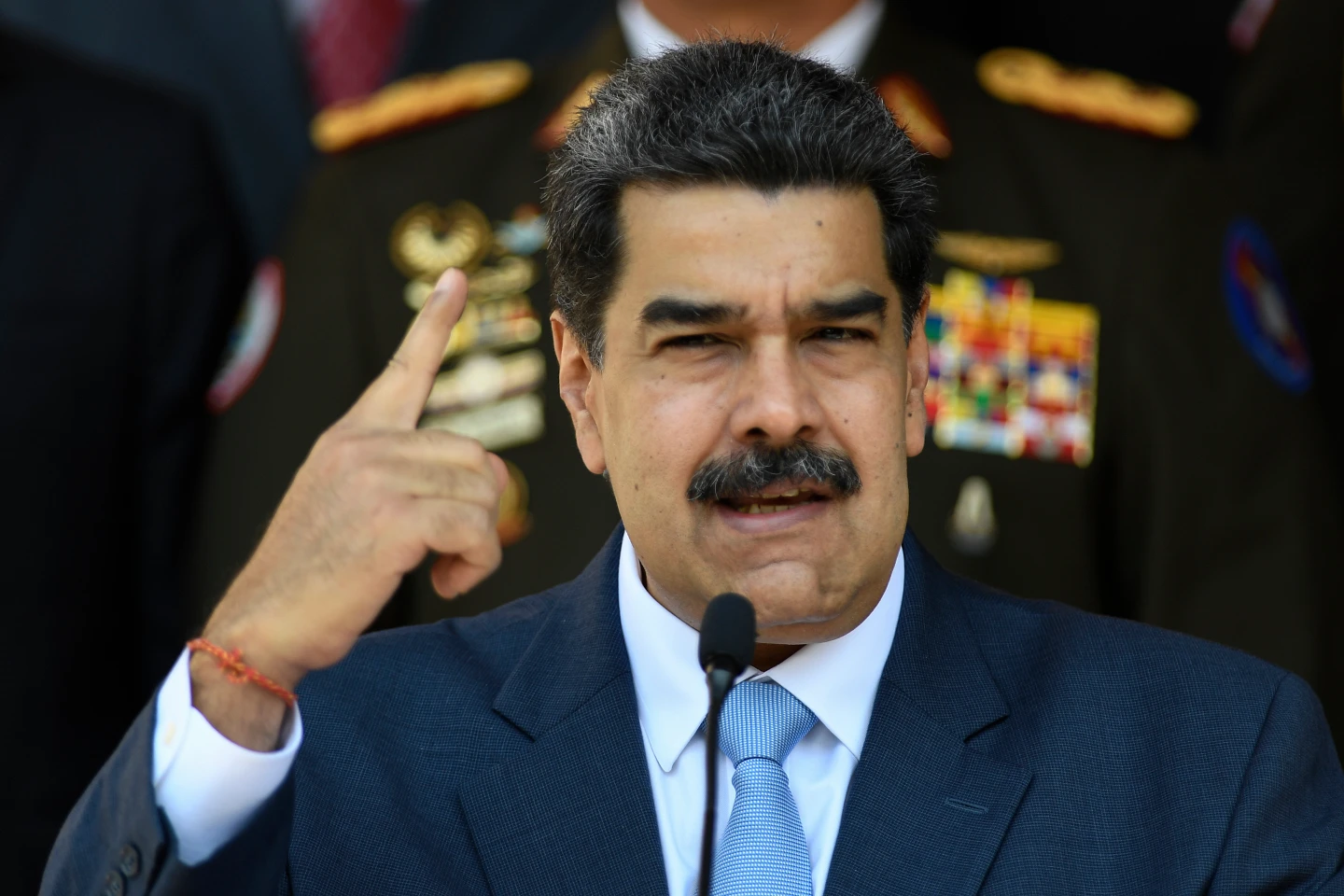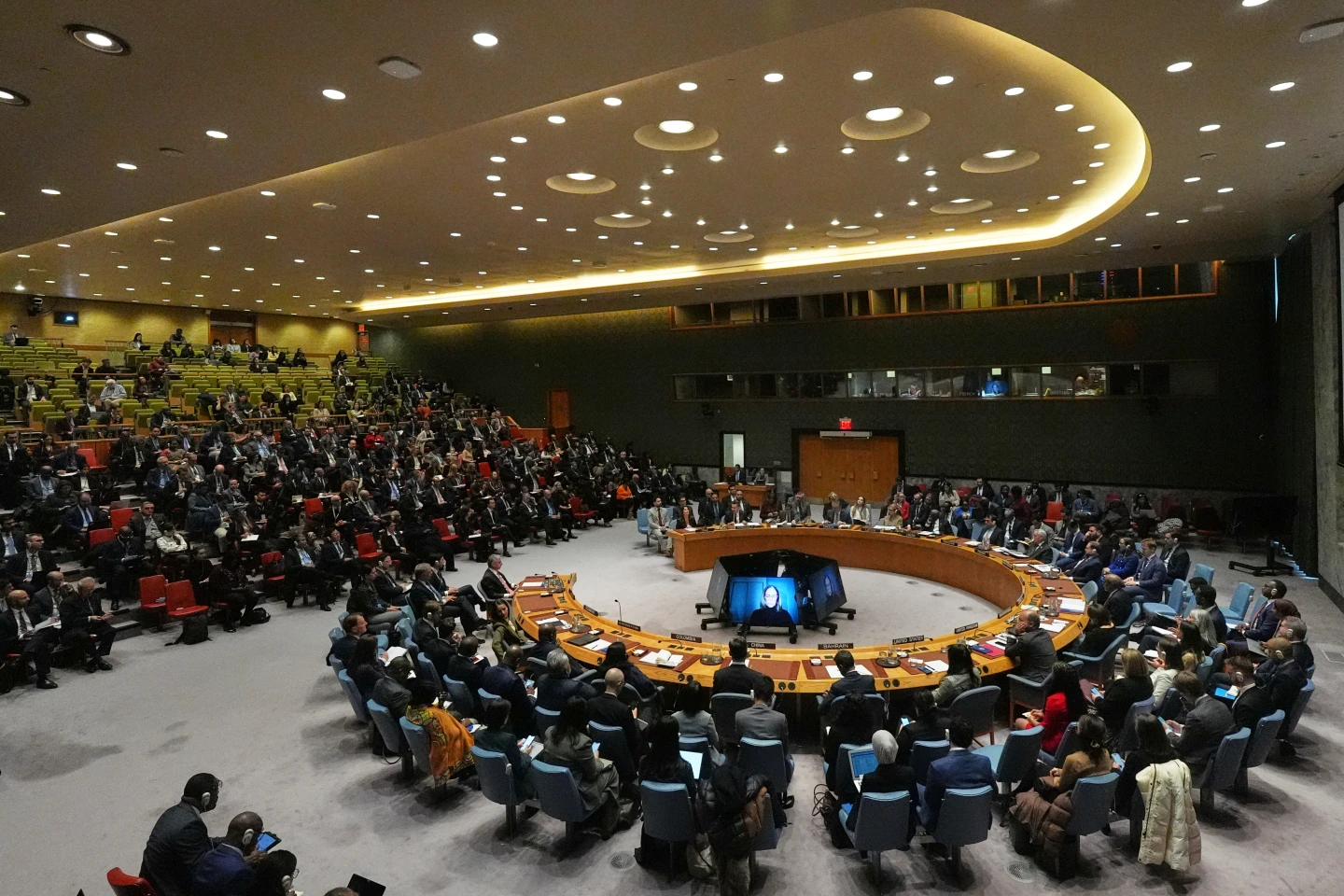
UNITED NATIONS (AP) — The U.N. Security Council held an emergency meeting Monday after an audacious U.S. military operation in Venezuela over the weekend to capture leader Nicolás Maduro, with the United Nations’ top official warning that America may have violated international law.
Before the U.N.'s most powerful body, both allies and adversaries criticized President Donald Trump’s intervention, which included threats of expanding military action to Colombia and Mexico over drug trafficking accusations. Trump also reiterated his controversial threat to take over the Danish territory of Greenland for U.S. security interests.
U.N. Secretary-General Antonio Guterres stated he is “deeply concerned” that the rules of international law have not been respected regarding the 3 January military action. He added that the “grave” action by the U.S. could set a dangerous precedent for international relations moving forward.
Denmark, a NATO member with jurisdiction over Greenland, echoed Guterres’ concerns, stating that the “inviolability of borders is not up for negotiation.” Danish Ambassador to the U.N., Christina Markus Lassen, emphasized that no state should seek to influence political outcomes in Venezuela through threats or other means inconsistent with international law.
Colombian Ambassador Leonor Zalabata remarked that the raid brings back memories of “the worst interference in our area in the past,” asserting that democracy cannot be defended through violence and that economic interests cannot supersede it.
Russia’s U.N. Ambassador Vasily Nebenzya labeled the U.S. operation a “turn back to the era of lawlessness,” condemning America for acting outside of international law and sovereignty principles.
In defense of the U.S. operation, U.S. envoy Mike Waltz described the military action as a legitimate “surgical law enforcement operation.” He criticized the U.N. council for equating Maduro’s illegitimate regime with that of democratically elected leaders.
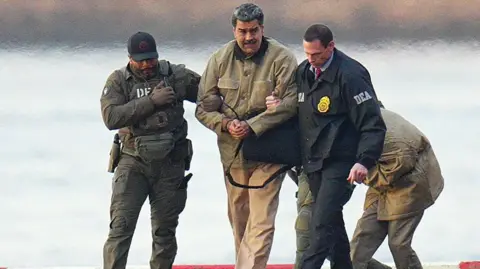
The U.S. reportedly captured Maduro from his home on a military base and transported him to a U.S. warship for prosecution in New York on charges of participating in a narco-terrorism conspiracy. His removal followed the U.S. building a military presence off Venezuela's coast and attacking alleged drug trafficking vessels. Trump asserted intentions to temporarily govern Venezuela and access its large oil reserves for U.S. benefit.
Secretary of State Marco Rubio mentioned that the U.S. would enforce an oil quarantine on sanctioned tankers, indicating a significant move to leverage policy change in Venezuela.