In brief
A massive flash flood, likely triggered by a glacial collapse, struck the Nepal–Tibet border on 26 August, leaving at least 1,200 dead and over 4,200 missing in Nepal and 21 dead plus 540 missing on the Tibetan side. UN-assisted operations are pressing ahead, deploying heavy machinery, drones and army helicopters to reach isolated villages and reopen the Gyirong crossing as 40+ bridges have collapsed. The Nepalese government has declared a three‑month disaster declaration in 15 districts, pledged financial aid for the bereaved and launched a four‑month humanitarian appeal, while experts urge better early‑warning systems to curb future disasters. Despite significant progress, thousands—especially foreign nationals—remain unaccounted for as search continues into the harsh terrain.
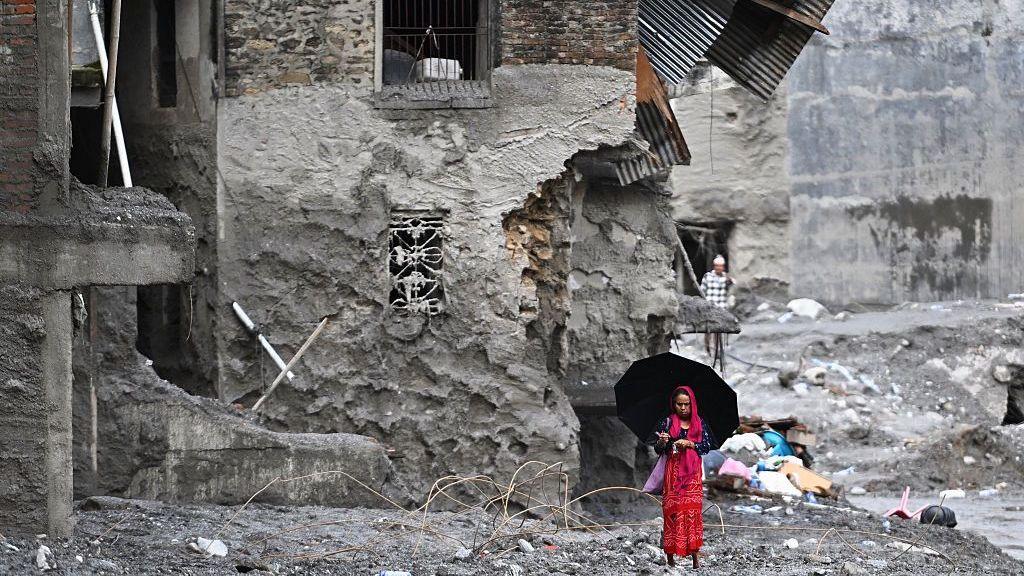
Rescue teams race to locate survivors after a devastating flash flood ripped through Nepal’s Nuwakot and Rasuwa districts last week.
The surge, likely caused by a rapid glacial collapse, obliterated entire villages, leaving Nepal’s disaster agency reporting over 1,200 confirmed deaths and more than 4,200 missing. On the Tibetan side, the Chinese State Media cites 21 fatalities and more than 540 missing.
Unlocking the Gyirong border crossing, which had been sealed by landslide‑capped bridges, has been a priority. Army helicopter flights have become the lifeline for remote communities, ferrying food, fuel, electricity and medical supplies across 40+ destroyed bridges.
UN’s Office for the Coordination of Humanitarian Affairs (OCHA) highlights the challenge of access, noting that the region’s collapsed infrastructure hampers search efforts; drones are now scanning for survivors from the air.
Prime Minister Balendra Shah has declared a three‑month disaster period in 15 affected districts and pledged assistance to families of the deceased, while the government and UN launch a four‑month humanitarian flash appeal.
Scientific assessments point to climate‑driven glacial melt and permafrost thaw as key factors in the disaster, and experts argue for stronger early‑warning systems to prevent similar tragedies in the future.
Thousands of foreign nationals—including residents from India, the UK, Australia, the US and Malaysia—are still missing, complicating support and search operations amid a dense monsoon season.
As rescue missions continue under challenging conditions, the international community remains called upon to provide targeted assistance to the suffering populations.