Tuesday began as a frantic day of diplomacy in Washington, with Air Force Two ready to fly Vice President JD Vance to Islamabad for another round of peace talks between the US and Iran.
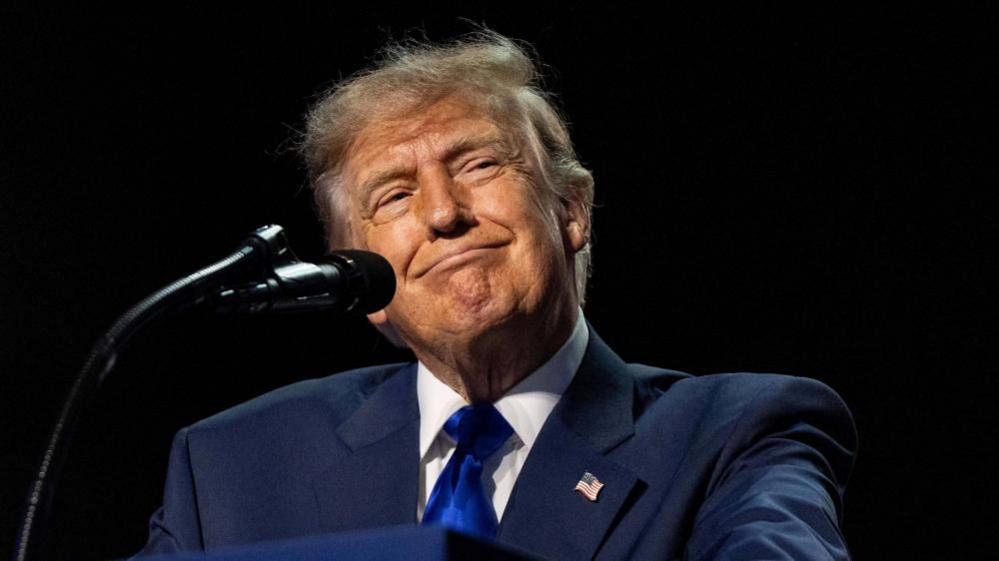
Hours later, Air Force Two hadn't taken off, and the negotiations were postponed. President Donald Trump announced an extension of the ceasefire with Iran, set to expire Wednesday evening, allowing the regime more time to create a unified proposal to end the war.
Trump's decision marked the second time in as many weeks that he has backed off a threat to escalate the war, providing him more time to wind down a conflict nearing two months.
Vance never officially announced the Islamabad trip, leaving Washington in suspense about the outcome. Iran's commitment to attending the talks remained uncertain, further complicating the decision to send Vance to the table.
As the day progressed, signs of a postponement emerged with members of the US negotiating team returning to Washington instead of proceeding to Islamabad, prompting a meeting at the White House to decide the next steps.
Ultimately, Trump made the ceasefire announcement via Truth Social at the request of Pakistan, mediating between Tehran and Washington.
We have been asked to hold our Attack on the Country of Iran until their leaders can produce a unified proposal, Trump stated, although he did not specify how long this ceasefire might last.
Unlike previous comments that hinted at a two-week deadline for ceasefires, Trump's current stance appears more open-ended without a definitive time frame, reflecting ongoing complexities in negotiations.
James Jeffrey, a former ambassador, noted there's no clear formula for ending wars, indicating the challenges ahead.
Trump's more measured statement reflects a desire to conclude a war that threatens global stability. Brian Katulis from the Middle East Institute stressed that while this decision may address fractures within Iran's leadership, it also prolongs uncertainty regarding the war's duration.
The extension offers both Iran and the US additional time to negotiate a lasting peace, but many challenges remain, including Iran's resistance to curbing its nuclear program and the US’s blockade of the Strait of Hormuz, which Tehran views as provocations.
In conclusion, while Trump has bought time for diplomacy, the path toward a resolution remains complex and distant.