In brief
In a recent move indicating a shift in political dynamics, Venezuela has begun releasing American citizens who were detained as political prisoners. This release follows a military operation in Caracas aimed at capturing Nicolás Maduro and reflects the interim government's efforts to improve relations with the United States. Although both Venezuelan and U.S. officials view this as a positive step, there are concerns regarding the commitment of the interim government to uphold its promises regarding political prisoner releases.
Venezuela has started releasing multiple Americans detained across the country, according to a US State Department official.
The official did not confirm the identities or number of prisoners released by Venezuela but in a statement called the move an important step in the right direction by the interim authorities.
It is the first known release of American citizens since a US military operation seized Nicolás Maduro and his wife during a raid in the capital Caracas on January 3, 2026, to face drug trafficking charges in New York.
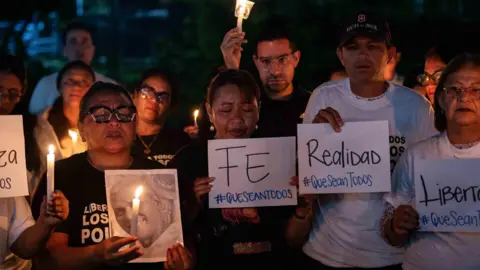
The UN reports that Venezuela has so far released about 50 prisoners, while human rights groups estimate around 800 political prisoners remain detained in the country.
The Venezuelan government, led by Interim President Delcy Rodríguez, announced last week it would start releasing a significant number of people considered political prisoners as a goodwill gesture.
Among those confirmed to have been freed so far are domestic opposition figures and at least five Spanish citizens.
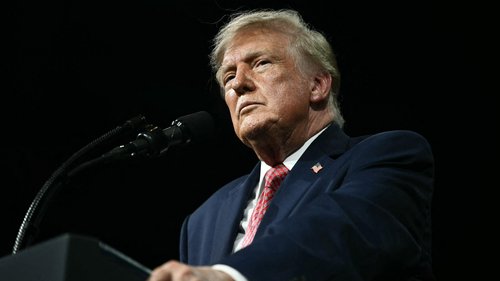
Over the weekend, Donald Trump stated on his Truth Social account that the process of freeing detainees in Venezuela had begun in a BIG WAY.
He asserted he cancelled a second wave of airstrikes on Venezuela once informed that Caracas was cooperating with the release of prisoners.
The recent developments are viewed as a key test of Trump's influence in Venezuela following Maduro's removal.
However, the interim government faces allegations of failing to meet its promises regarding the release of political detainees. Ramón Guanipa, the son of a jailed politician, cautioned that Trump should not be fooled by the authorities' gestures until all political prisoners are freed.
Human rights groups and political activists have long accused the Venezuelan government of using detentions to suppress dissent. Officials consistently deny holding any political prisoners, asserting they have been arrested for criminal activities.
Many detainees were taken into custody following the controversial presidential election in 2024, where Maduro claimed victory amid widespread opposition protests.