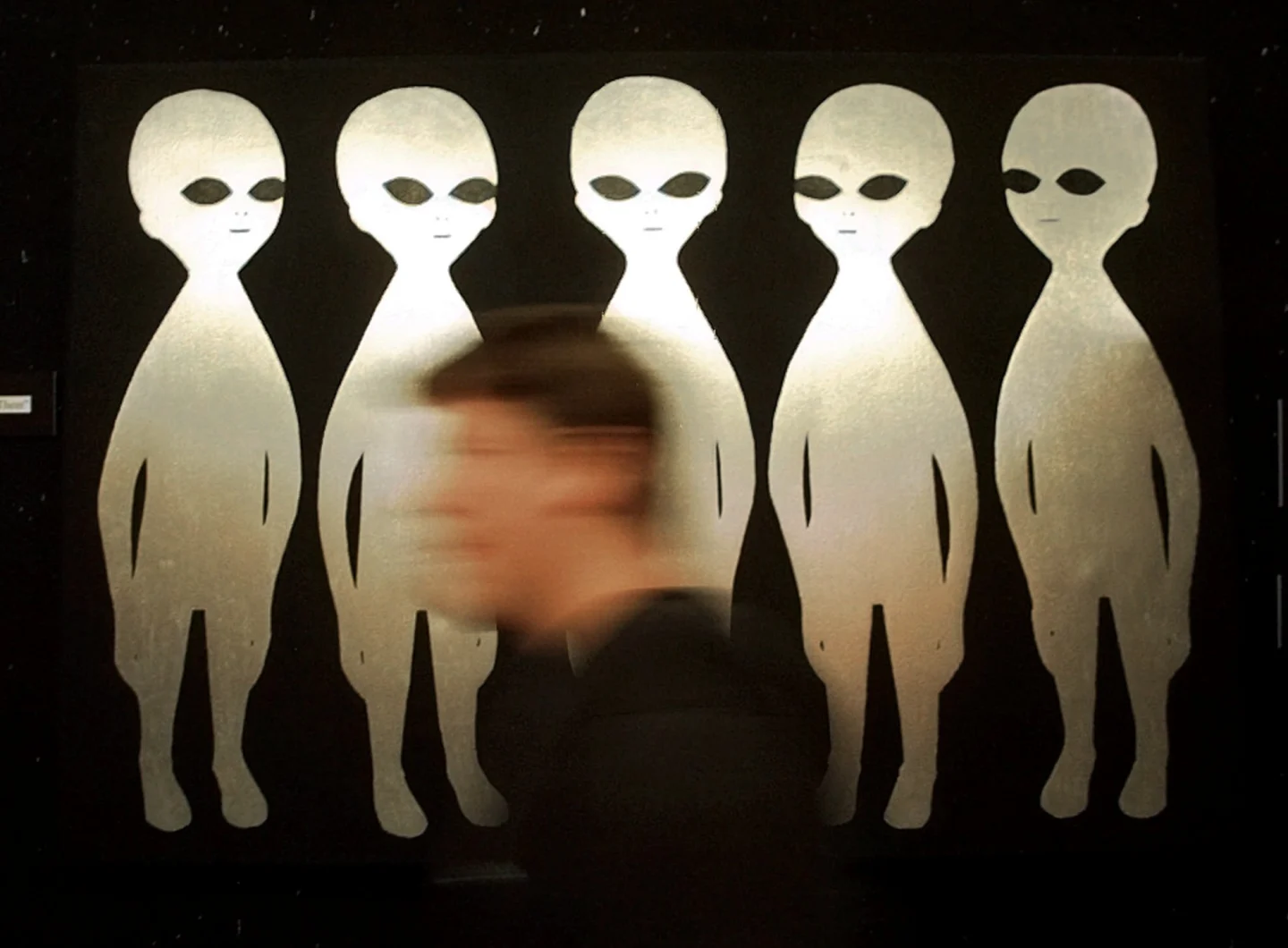
For generations, humans have been fascinated by the idea of extraterrestrial life. Yet, how often do we consider how these potential beings might perceive us? Theoretical physicist Avi Loeb suggests that they might find humanity's struggles—with wars and socio-political conflicts—disheartening. If I were looking at Earth from a distance, I would be pretty disappointed, he says, citing conflicts such as the war in Ukraine as evidence of our lack of intelligence.
The dialogue about UFOs reached new heights when public figures like former presidents Obama and Trump acknowledged the reality of unidentified flying objects and promised transparency around related government files. This surge of interest coincides with ongoing space missions, such as NASA’s Artemis II, which revives questions about our cosmic neighbors.
In a world torn apart by human-made issues, how might extraterrestrial visitors interpret our actions? Loeb raises a compelling notion: they could be observing us, perhaps even laughing at our chaos. Bill Diamond from the SETI Institute reinforces this idea, suggesting that the universe teems with possibilities for life beyond Earth. We don't want to be alone, he states, underscoring a universal desire to connect.
Statistics show that around two-thirds of Americans believe intelligent life exists elsewhere, a view supported by numerous experts. The past controversies surrounding UFO sightings, including the infamous Roswell incident, have kept these discussions alive in popular culture, leading to misconceptions that aliens might be hostile.
However, prominent voices in the field on both sides encourage a scientific approach towards understanding these phenomena. The recent release of Pentagon reports about unexplained aerial phenomena stirs public curiosity about what, if anything, the government is withholding. As we explore the cosmos, it’s paramount to consider how we present ourselves as a civilization that strives for peace and understanding.
In conclusion, the consensus among experts highlights that seeking the truth is vital for our collective future. As we launch deeper into space exploration, we must reflect on how our planet is perceived from afar—both a marvel and a concern to those who might be watching.