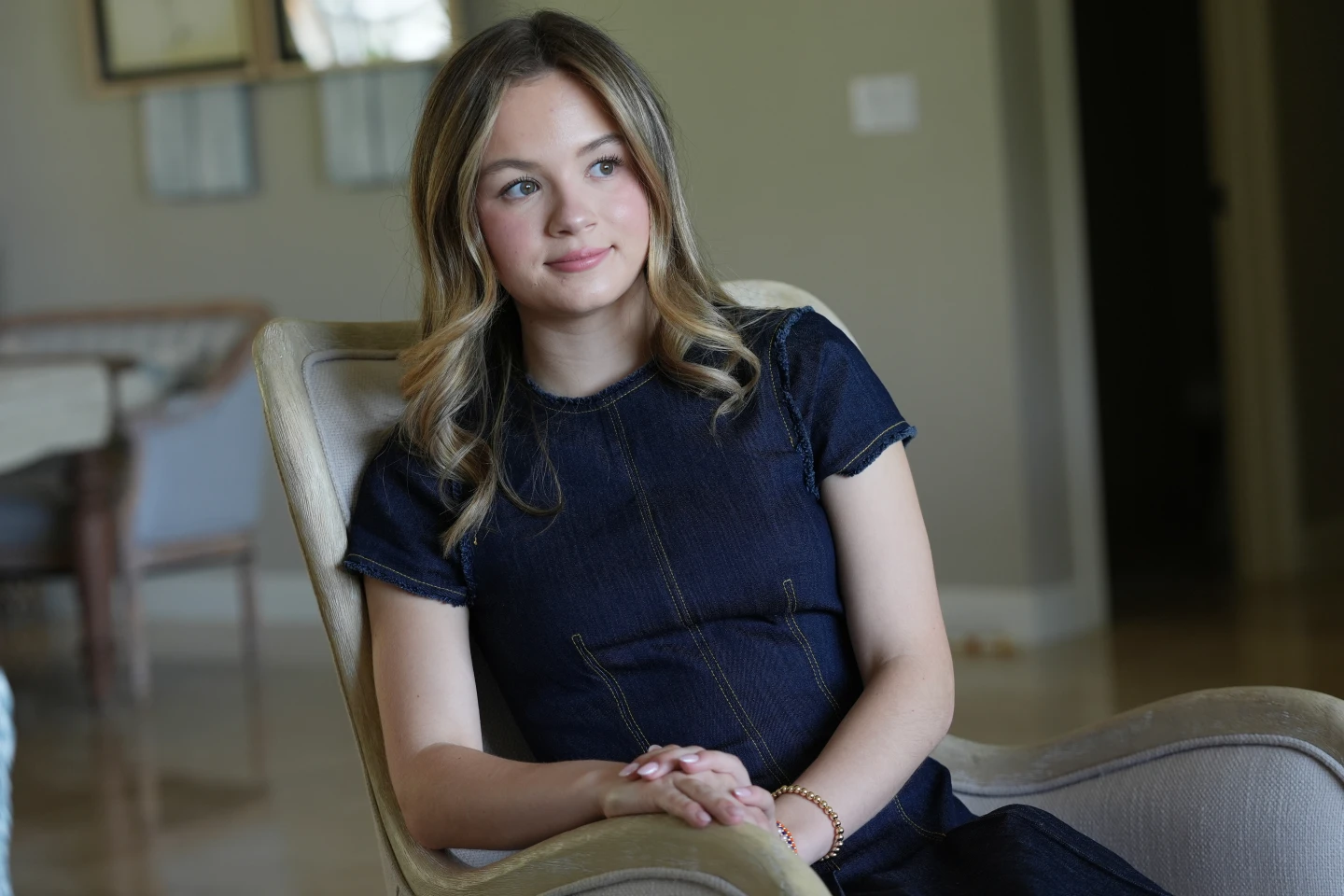
WASHINGTON (AP) - When 18-year-old Lauryn Muller came across President Donald Trump's social media clip belittling California Governor Gavin Newsom for his dyslexia, it triggered a flood of emotions, bringing back memories of her own reading struggles.
In his remarks, Trump labeled Newsom as 'stupid' and 'mentally disabled,' igniting a debate not just about political rivalry but also about the damaging stigma attached to dyslexia which affects millions of people.
Muller, a soon-to-be student at Auburn University who was diagnosed with dyslexia at a young age, found Trump's words deeply personal, highlighting their negative implications on public perception of dyslexia. 'It's painful to hear someone with that level of influence express such ignorance about a condition that affects so many,' she stated.
Marilyn Muller, Lauryn’s mother and a literacy advocate, echoed her daughter's sentiments. Although a longtime supporter of Trump, she condemned his comments for perpetuating the notion that dyslexia reflects a lack of intelligence, challenging years of awareness efforts aimed at eradicating such myths.
'It undermines all the hard work we're doing to promote understanding of learning disabilities and their implications,' she emphasized.
Trump's comments not only frustrated those with dyslexia but also triggered discussions about how they could impact children's perceptions of their own abilities. Advocacy groups are alarmed by the lack of a strong response from Republican leaders, fearing that such rhetoric could reverse progress made in addressing these disabilities.
Despite a history of bipartisan support for dyslexia awareness in Congress, Trump's remarks met with scant pushback. Senator Bill Cassidy, who has personal ties to dyslexia through his daughter, acknowledged the talents of individuals with dyslexia but sidestepped a direct response to Trump's comments.
Experts agree that dyslexia is a misunderstood condition that requires acknowledgment and support rather than ridicule. Neuroscientist John Gabrieli from MIT elaborated, stating, 'This difference in learning doesn't equate to a difference in potential.'
Advocates for those with dyslexia express concern about the long-term effects of such derogatory public statements on young individuals who may already grapple with feelings of inadequacy. 'It’s about more than just words; it shapes how millions perceive their worth,' urged Lia Beatty, a dyslexic neuroscientist.
As Trump continues to navigate his relationship with various factions within the Republican Party, the ramifications of his comments on dyslexia remain a crucial conversation on both personal and collective levels, reminding us of the importance of dignity and respect for every individual's abilities.