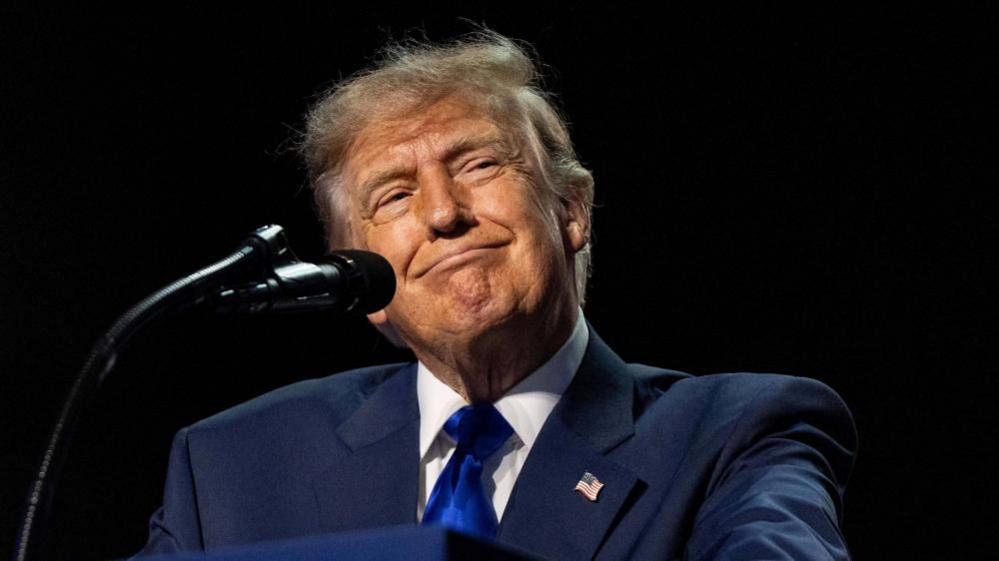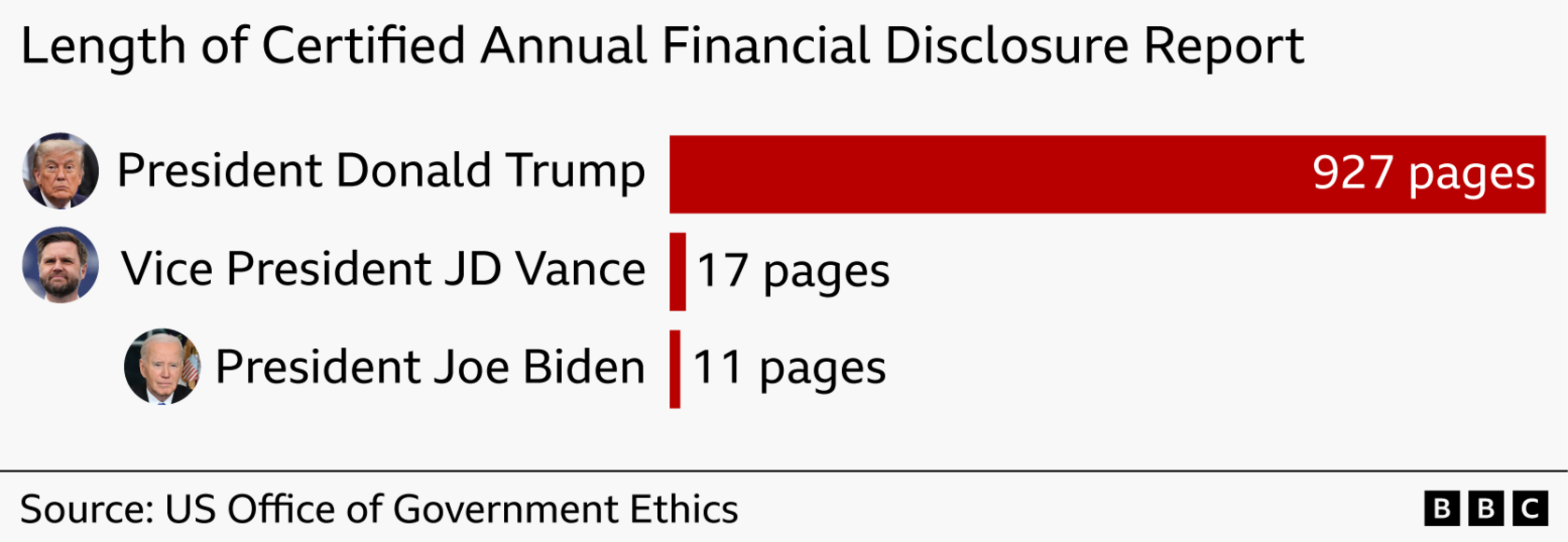
Harry Truman exited office on a modest Army pension of $113 a month, a stark contrast to the sprawling financial streams of modern presidents. When Donald Trump took the oath again in 2025, his newly released financial disclosure reported earnings of about $2.3bn, a figure that substantially eclipses any other U.S. president’s post‑term windfall in history.
Most of the money came from the cryptocurrency sector. The disclosure lists $635m in royalties from Celebration Coins—a meme‑coin trailblazed by Trump's own name—and over $500m from the crypto‑focused firm World Liberty Financial, co‑founded by his sons along with allies tied to the administration.
Trump’s 2025 income was nearly four times higher than the $622m documented in 2024, and it raises questions about the propriety of a sitting president profiting from entrenched business ventures that overlap with policy-making.
White House deputy press secretary Anna Kelly has denied any conflict of interest, insisting that the president’s personal funds are managed by a blind trust. However, former ethics chief Richard Painter and historians argue that such profits—and the recent legislative push for stablecoins—create a situation where the presidency appears to be a lucrative enterprise for Trump and his associates.
Unlike past presidents such as Truman, who widely regarded the office as a civic duty, or George W. Bush, who placed assets into a blind trust, Trump’s approach has been met with widespread criticism. The debate centers on whether the new disclosure signals a broader erosion of the ethical boundaries that governed the role of the U.S. president.