In brief
Wimbledon abandoned some of its classic rituals, collaborating with Delhi kulfi makers and incorporating Bollywood music to tailor its appeal for Indian viewers. The campaign has already attracted record viewership, with the 2026 men's final drawing 2.7 million Indian viewers and overall average attendance up 18% over last year. Marketing experts say the move goes beyond a one‑off stunt, using cultural cues to bring tennis closer to youngsters and urban audiences who vade cricket as their default sport. The partnership has energized streaming platform JioStar and signals a future for other global sports leagues to similarly localise their India strategies.
In 2026, Wimbledon’s organizers dared to mix its white‑clad tradition with soft‑tasting Indian kulfi and nostalgic Bollywood tunes. A historic Delhi eatery, KUReMAl’S, partnered with the tennis tournament to give the iconic strawberries‑and‑cream ritual an local twist, while the tournament’s Instagram feed relayed players cutting across the court to popular 1990s Bollywood hits. Cricket stars and Indian influencers were also drafted into the Royal Box to lend the event extra star‑power for India’s cricket‑obsessed audience.
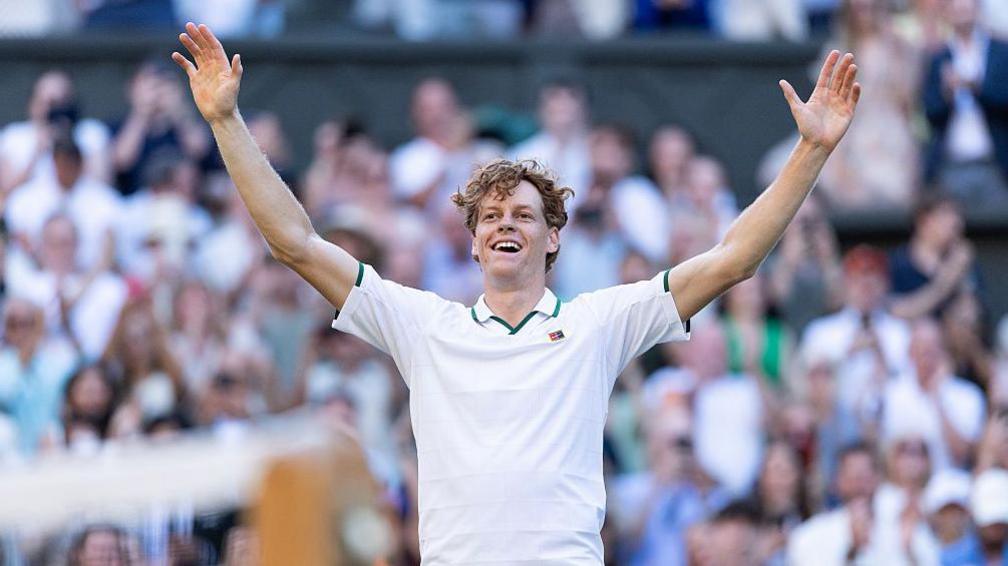
The campaign’s success shows in the numbers: the men’s final, where Italy’s Jannik Sinner beat Germany’s Alexander Zverev, drew more than 2.7 million Indian livestream viewers, a figure that would normally break even a midnight launch. According to local media, the tournament received an average of 8.53 million viewers in India this year—an 18% increase compared to 2025.
Marketing and sports branding pundits say Wimbledon’s push is purposefully strategic, not accidental. India is already the tournament’s largest international audience by reach; 2026 is key because a 16‑year‑old Arnav Paparkar is the first Indian to reach the under‑18 boys’ quarter‑finals in 36 years. The game’s organizers have turned to culturally specific messaging to hook a demographic that traditionally leans heavily to cricket.
Darshana Bhalla, a sports branding expert, explains: ”Wimbledon has moved away from the traditional view that exclusivity lies in distance. Today it understands exclusivity comes from belonging. By offering familiar cultural cues—kulfi, Bollywood music, Indian influencers—India is being invited into Wimbledon’s world.”
The effort isn’t purely a social‑media stunt. The tournament couched its content in multiple Indian languages to reach diverse audiences and push for a deeper lasting interest in tennis rather than a single‑event spike. According to co‑founder of Binge Labs, Aryan Anurag, “If these moments stay one‑off, their impact will be fleeting. Sustained grassroots engagement is key.”
The partnership also benefits streaming firm JioStar, which is attempting to diversify beyond its current cricket‑heavy rights portfolio. By offering premium tennis content, it hopes to attract affluent urban audiences for luxury and banking brands, while giving cricket a complementary calendar presence.
While Wimbledon’s experiment is noted by rival sports leagues, many wonder if it will birth a new model for global events. If it proves that culturally contextualised storytelling yields measurable engagement, leagues such as the NBA, Premier League and F‑1 may follow suit.