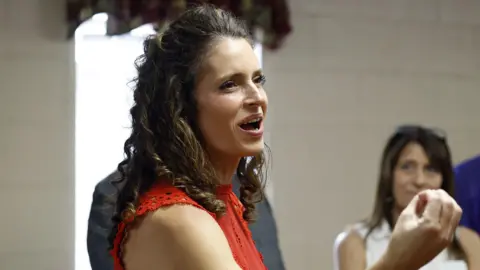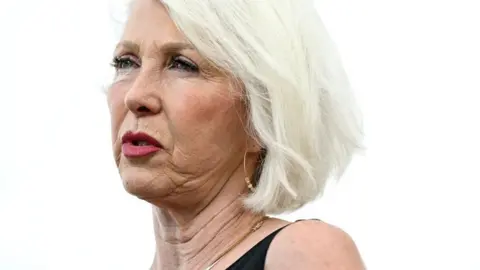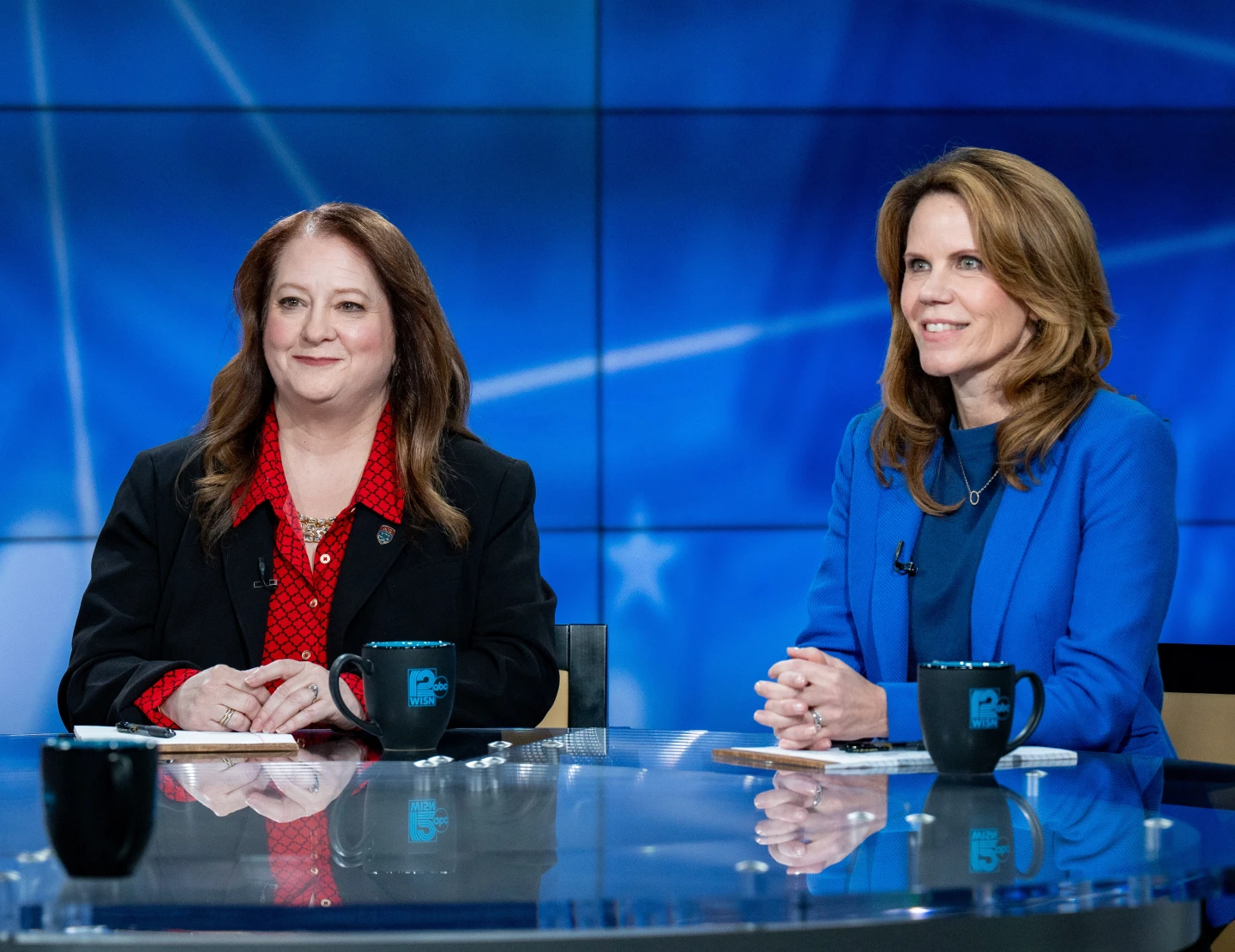
MADISON, Wis. (AP) — In a closely watched election, Democrats are seeking to bolster their liberal influence on the Wisconsin Supreme Court by supporting Chris Taylor, a former state lawmaker with strong ties to abortion rights advocacy. Taylor will face off against Republican-backed Maria Lazar, with both candidates currently serving as state Appeals Court judges and heavily campaigning on high-stakes issues like reproductive rights and legislative redistricting.
Voting for the court is considered nonpartisan, yet it often falls along party lines. Taylor's campaign has emphasized that ‘abortion is on the ballot’—a comment that resonates with Democratic voters in a state where the Supreme Court's recent decisions have already begun to roll back restrictions on reproductive health.
Lazar, conversely, has positioned herself with anti-abortion groups and criticized Taylor for her legislative history, labeling her a ‘judicial activist.’ In their first and only debate last week, both candidates traded accusations reflecting their differing views on how their judicial philosophies align with the future of the court. This election holds significant implications as the winning candidate may cement control for the Democrats with a potential 5-2 majority, ensuring favorable rulings until at least 2030.
The election contrasts starkly with previous years' record-breaking spending driven by national attention; this time, however, the stakes are more nuanced, with Democrats looking to maintain their court's momentum ahead of November's broader elections, where control of the state legislature is up for grabs. It is pivotal, as it could shape public policy on numerous fronts including abortion, labor rights, and voting access.
In the past two Supreme Court elections, Democrats have succeeded by wide margins, and with the potential control of a retiring conservative seat next year, the party has reason for optimism. Taylor's fundraising strength early in the campaign has outpaced Lazar substantially, giving rise to strategies that may make all the difference in these essential last days leading up to one of the most consequential judicial elections in Wisconsin's history.