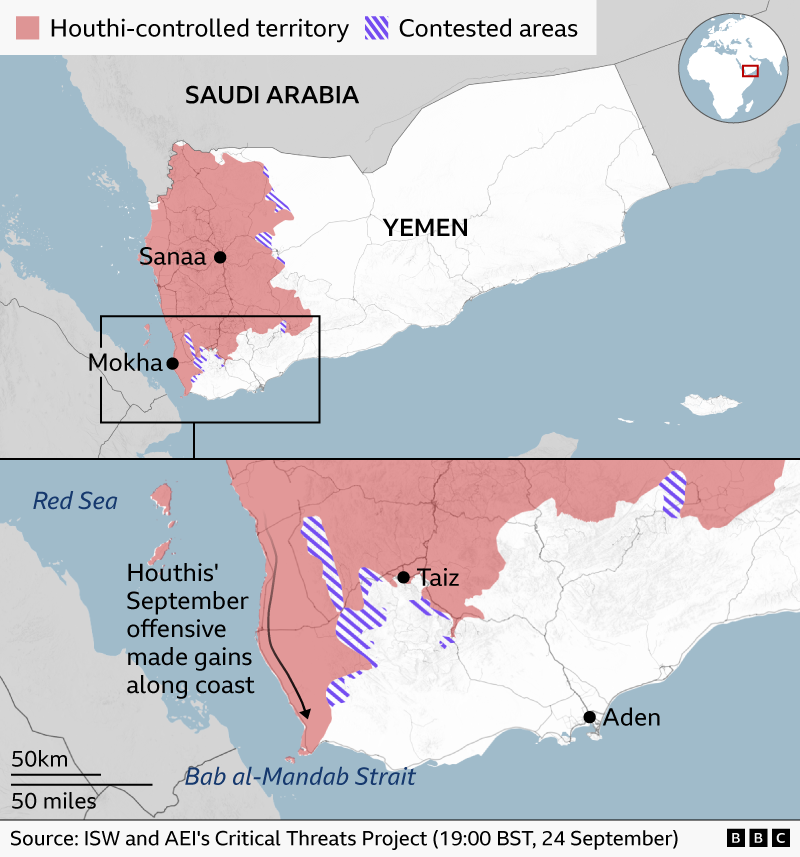
In a televised address from Riyadh, Yemeni President Rashad al‑Alimi announced the launch of a major military operation aimed at retaking territory that has been held by the Iran‑backed Houthi militia for more than a decade. The government, which is supported by a Saudi‑led coalition, said the campaign would focus on key areas such as the city of Taiz and the surrounding Saada region, where Houthis maintain a strong foothold.
The announcement follows a sudden flare‑up in fighting. Earlier this week, the Houthis claimed to have struck several Saudi Aramco facilities, including sites in Riyadh and the oil‑rich Khurais area, using ballistic missiles and drones. Saudi Arabia has yet to confirm the attacks, but both sides have exchanged loud claims of victory.
The conflict has already had global repercussions. In September, Houthis seized control of the entire Yemeni coastline along the Red Sea, effectively choking the Bab al‑Mandab Strait, a crucial maritime passage for oil tankers. This has jeopardised a major conduit for Middle Eastern petroleum to world markets.
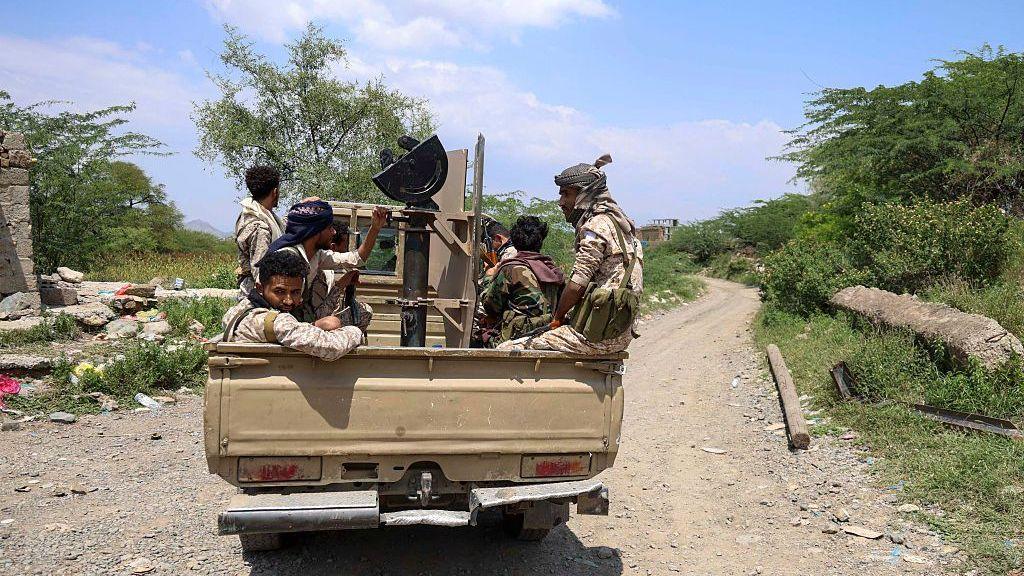
Government forces also report successful strikes on Houthi positions across Sanaa, Saada and near Taiz, while the Houthis said they had cut a vital supply route linking Taiz with Yemen’s interim capital Aden. According to research support at Chatham House, the Houthis now control that route, effectively isolating Taiz from the rest of the country.
The stakes are high. If war expands, it could trigger a broader regional spill‑over, affect Saudi Arabia’s energy exports, and further destabilise an already fragile economy. The humanitarian toll in Yemen remains severe, with billions of dollars in aid needed to support millions of civilians caught in the crossfire.
The diplomatic community watches closely, hoping for a resolution that prevents a full‑scale war and safeguards the lifelines of global trade through the Red Sea corridor.