In brief
The 2026 US Open welcomed around 100 influencers and content creators, doubling last year’s number of accredited guests. Their presence has prompted a debate on the balance between expanding the sport’s reach and maintaining court etiquette. Notable players such as Coco Gauff welcomed the influx but urged “respectful” conduct, while Naomi Osaka criticised disruptions caused by noise and flash photography during her first‑round match. The USTA introduced a free‑fan movement policy and extended the event to 15 days, aiming to create a “tennis Disneyland” while enforcing on‑court silence and no ring‑light use. Players and organisers alike weigh the benefits of a broader audience against the potential for disrespectful fan behaviour.
Lights. Camera. Quiet please...
When it comes to etiquette in tennis, there are a fair few unwritten rules. Apologising after winning a point from the net cord, honesty about line calls and double‑hits, post‑match handshakes and, for spectators, the courtesy not to disturb players during points are key to preserving the sport’s decorum.
At this year’s US Open, the USTA doubled the number of influencer and content‑creator accreditations – around 100 invited guests in total, twice the count of last year’s event. Their presence has brought debate over how best to bring tennis to a younger, more diverse audience while respecting the sport’s traditions.
World number four Coco Gauff welcomed the new demographic, stating, “I definitely think it’s cool to have a new demographic and I definitely think it helps grow the sport.” She added, “If you’re being invited to a red carpet you wouldn’t show up in jeans. I think it’s just follow the etiquette of the sport.”
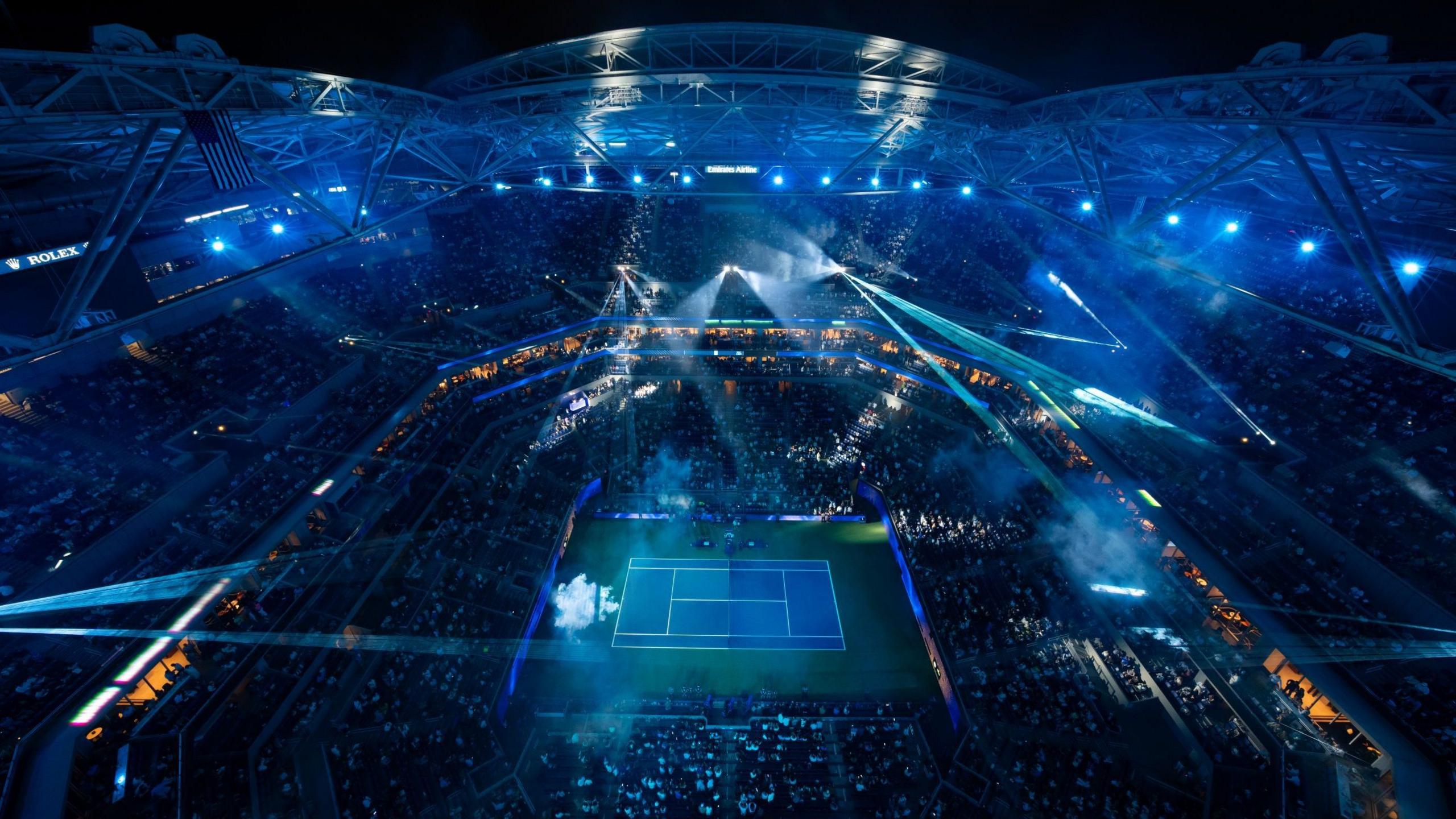
During the first‑round match in Arthur Ashe Stadium, Naomi Osaka observed a group’s photo‑shoot in the hospitality suite while play was underway. The group had turned on a portable ring light, prompting a reprimand from the umpire and subsequent reminders to be quiet during the match. Osaka later remarked that the umpire told the crowd to keep quiet more times than ever heard such a request, adding that the noise bothered her opponent as well.
A video that circulated online showed the group speaking loudly as they filmed themselves during Osaka’s match, leading to the chair umpire’s call for them to stop. Osaka emphasised that every fan attending a sporting event should respect the rules and etiquette and that these disruptions were unacceptable.
Other players echoed the concern. American world number three Jessica Pegula said she appreciated the influencers showcasing the US Open but found the behaviour disrespectful when their filming disrupted the match. She noted, “When you have the other side literally interrupting matches, it gets a little tough.”
The USTA introduced a free fan movement policy in 2024, allowing fans to take their seats freely during break times. A year later, the tournament expanded to 15 days, and the week before the singles draw became the “Fan Week” featuring exhibition matches and a revamped mixed‑doubles competition. Chief executive Craig Tiley said the goal was to create a “tennis Disneyland” and that the creator credential was a key part in recruiting new audiences.
In the wake of the Osaka incident, the USTA’s messaging on court screens includes a reminder: “Refrain from any activity that could disrupt the game, including noise levels, flash photography and ring lights.” They emphasise their commitment to growing tennis and ensuring fans do not interfere with the action on court.