In brief
India’s CJP movement, born from a satirical online campaign, called off its five‑week protest immediately after Education Minister Dharmendra Pradhan announced his resignation. The move is hailed as a win for democracy and a victory for a youth‑led movement demanding reforms in education. Thousands of supporters celebrated outside Jantar Mantar, singing and dancing, marking the moment as a triumph for civic engagement. The CJP’s founder, Abhijeet Dipke, states the fight over exam paper leaks and student rights continues, while the government pledges new swift‑court measures.
The Cockroach Janta Party (CJP), a satirical youth movement that gained traction through an AI‑generated cockroach mascot, called off its five‑week protest after Education Minister Dharmendra Pradhan announced his resignation on the social‑media platform X.
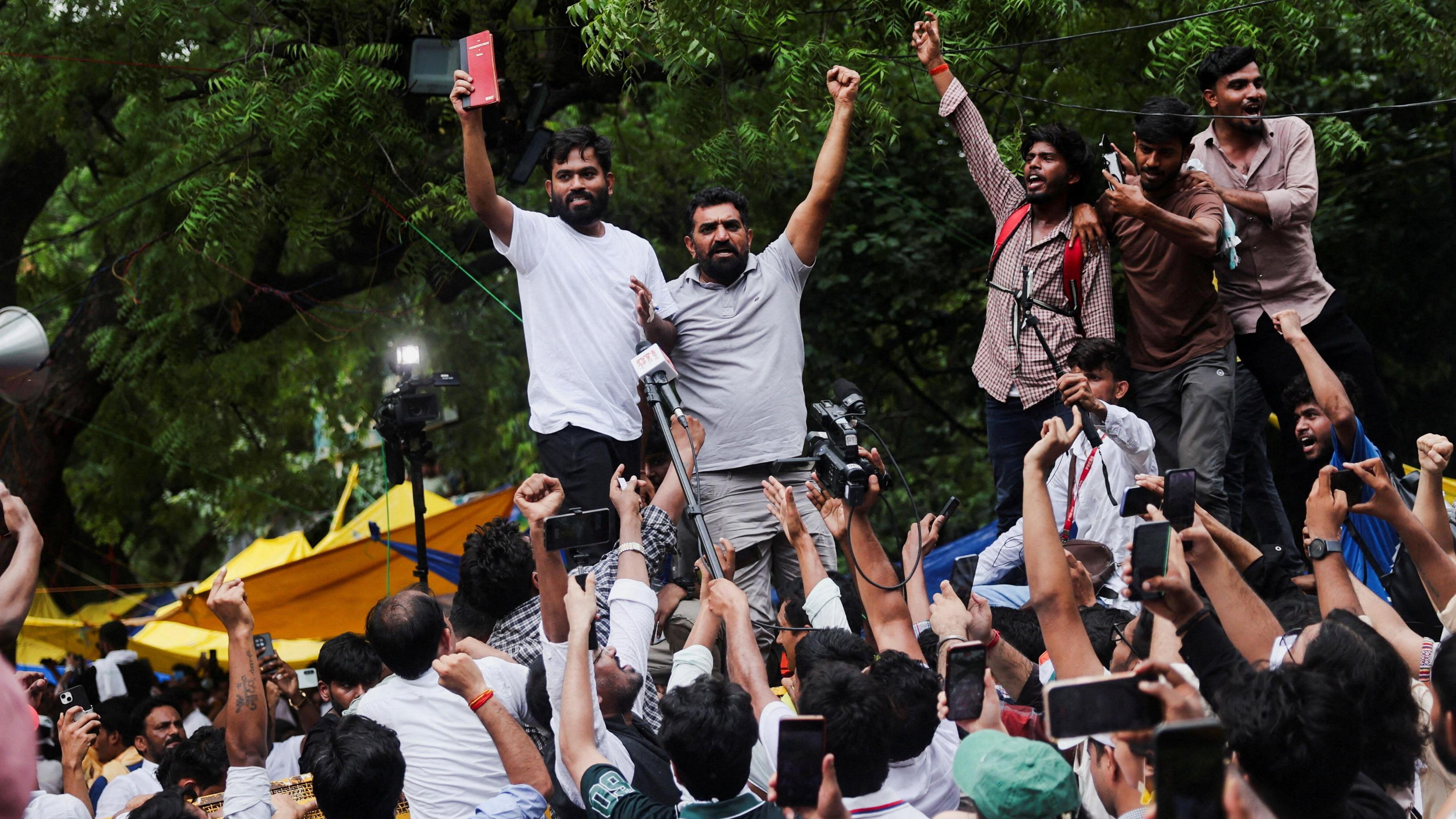
The decision was hailed as a triumph for democracy. Thousands of supporters gathered outside Jantar Mantar, the main protest venue in Delhi, singing, dancing and handing out sweets to celebrate the resignation.
The CJP movement emerged after the Chief Justice of India referred to some unemployed youth as "cockroaches" in a speech. By the next day the phrase had taken on new meaning, becoming the rallying symbol of a movement that demanded reforms in the education system, accountability over exam paper leaks and the resignation of Pradhan.
The protest gathered nationwide attention, mainly after Monday’s police crackdown on a march that left dozens injured, and it attracted support from opposition parties, activists and celebrities.
Pradhan’s resignation came after a month‑long series of violent confrontations involving tear gas and batons. He posted a declaration on X stating he respected the aspirations of young Indians and had resigned “to prevent further violence” and “to allow students to focus on their studies”.
In the hours following the resignation, the CJP founder Abhijeet Dipke shouted from a makeshift stage, “We have done it.” A cheer erupted and the protest turned into a party, with volunteers organising the crowd and police monitoring for any unlawful activity.
Dipke said the movement would continue to fight for families of students who died by suicide after the cancellation of a key medical exam, and he reaffirmed calls for swift‑court measures against exam paper leaks.
The event marked a rare moment of democratic success in an era when the Modi government has often suppressed dissent. The CJP’s use of satire, social media and mass mobilisation has shown how young citizens can shape political discourse and push for systemic reforms.