In brief
Sonam Wangchuk, a Ladakhi education activist, used a 26‑day hunger strike in Delhi to press for the resignation of India’s education minister, Dharmendra Pradhan. His action sparked the “Cockroach” movement, a wave of youth‑led protests that demanded sweeping changes to the exam system and tackled the country’s job crisis. The protests qualified as one of the biggest anti‑government demonstrations in India’s recent history, forcing the government to announce fast‑track courts for exam‑leak cases and a new tech‑led reform of the examination system. Yet the movement’s momentum persists, as protestors face ongoing harassment and the nation grapples with deep unemployment.
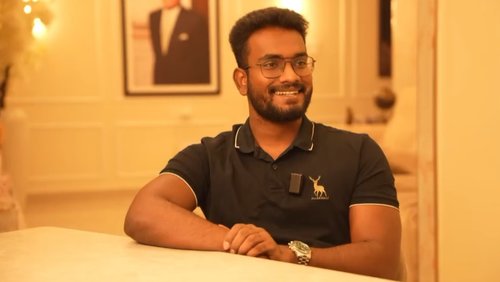
Sonam Wangchuk, a 59‑year‑old engineer from Ladakh, sparked a new wave of civil resistance in India by going on a 26‑day hunger strike in Delhi in June and July, eating only salt and water.
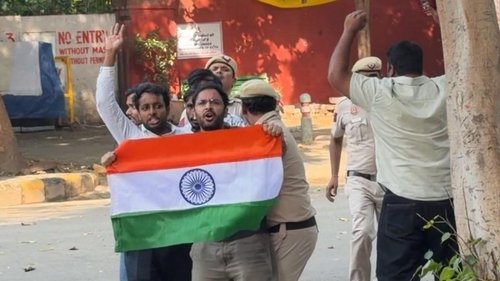
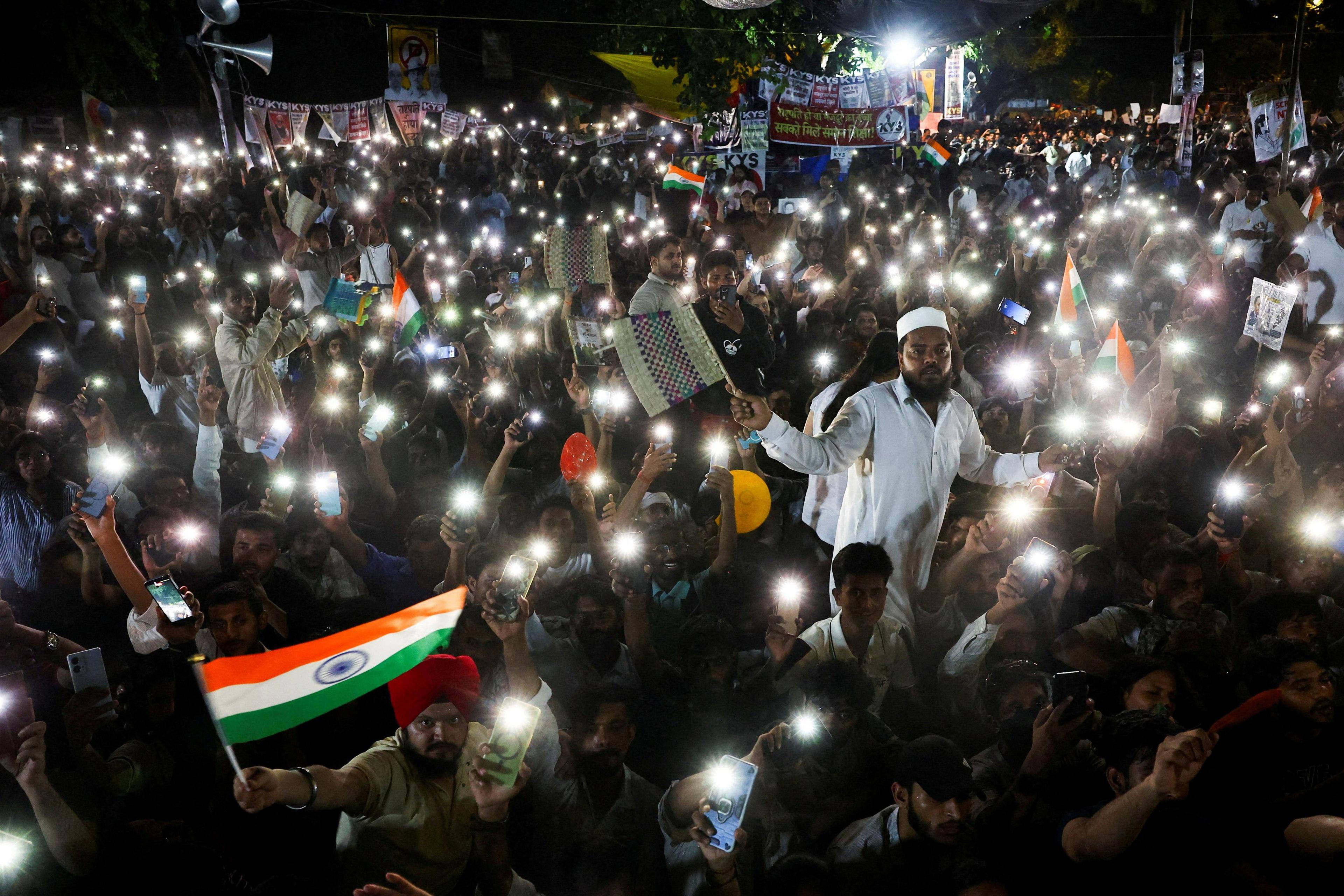
Wangchuk told the BBC that his fast, which left him weighing 11 kg less in a scorching summer, was a catalyst for the mass demonstrations that culminated in the resignation of Education Minister Dharmendra Pradhan on 25 July. The protests, referred to as the "Cockroach" movement after a chief justice’s derogatory comment, attracted millions of students and sparked the nation’s most significant anti‑government rally in years.
"The young people now feel they can change things if they want to," Wangchuk says, noting a newfound confidence that has emerged from the protests. "They no longer have to take everything lying down."
The movement’s political impact is tangible: the BJP lost two of three by‑elections that week, including a long‑held seat in Bihar, signalling a dent in the party’s dominance.
In the government’s response, fast‑track courts have been set up to try those accused of leaking exam papers, and a tech billionaire has been appointed to overhaul the examination system. The government also promised compensation for families who lost children to self‑harm after exam questions appeared online.
Behind the headlines lies a deeper issue: graduate unemployment has hovered around 35‑40% for the last quarter‑century. Wangchuk argues that the exams, which rely on multiple‑choice questions, are not aligned with the job market, and he calls for education reforms that focus on hands‑on skills and aptitude.
While many protesters, especially from the “Cockroach Janta Party,” continue to face legal and social repercussions, Wangchuk notes that progress has been made and believes that if the government does not listen to the people, future protests could broaden beyond education.
Word on the street: “I am a user of the hunger strike – I have tried it in the past for self‑rule in Ladakh, and for protecting our ecological places.” He remains prepared to support others, “I have no plan to run for office; I would rather enable others to do so.”
The legacy of this protest, according to Wangchuk, is that even a simple act of self‑injury can send a powerful message to authorities, in contrast to violent protest.