In brief
In the face of Myanmar's civil war, rebel forces have created educational institutions to ensure youth access to learning, maintaining hope for a democratic future amidst adversity.
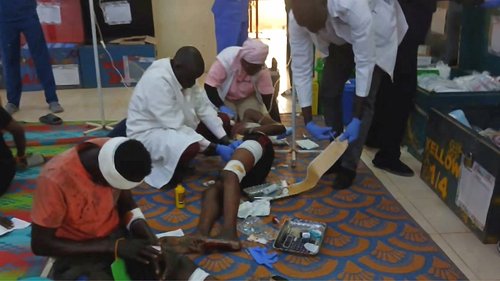
In the dense jungles of eastern Myanmar, where conflict and danger are part of daily life, students at Karenni Medical College are forging a path to education amidst chaos. The college, established by anti-junta forces, reflects the resilience of young people determined to create a future of federal democracy despite the challenges posed by Myanmar's ongoing civil war.As the military intensifies its strikes, medical students like Khuu Nay Reh Win recount harrowing experiences - from dodging bombs to battling the risks of snake bites. In a place where urgency meets fear, these individuals are not simply students; they are future changemakers inspired by their experiences as rebel medics. Founded in the aftermath of the 2021 coup that ousted Myanmar's civilian government, Karenni Medical College is one of 18 institutions launched in areas under rebel control. Armed with little more than bamboo structures for classrooms and dorms, these schools strive to provide essential education that fosters the ideals of democracy and bridge the widening gap caused by war.“We opened without waiting for the revolution to end,” said Dr. Myo Khant Ko Ko, the college's founder. The urgency to prevent the younger generation from losing educational opportunities amidst ongoing turmoil is palpable. The stark reality of Myanmar's civil war, which has resulted in thousands of deaths, extensive imprisonment, and widespread displacement, serves as a constant reminder of what is at stake.In a landscape marked by destruction and despair, the emergence of these educational institutions offers a glimmer of hope and a commitment to rebuilding a society rooted in democratic values. Students and faculty work in unison, driven by a shared vision for a better future where education and democracy can thrive, even in the most challenging conditions.