In brief
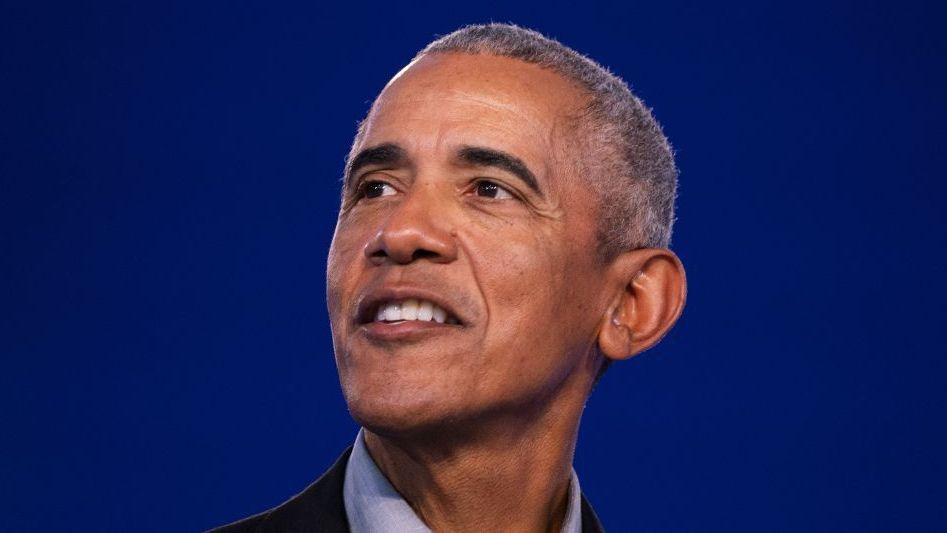
During a Glasgow address, former U.S. President Barack Obama warned that while social media can unite people for good, it also fuels anger and fear, feeding extremism that is not inevitable. He urged a balance between free speech and regulation, citing post‑World War II lessons that curb propaganda. Obama highlighted the threat of AI‑generated misinformation, saying it could erode democratic discourse. He reminded listeners that hope is an active choice, drawing on Martin Luther King Jr.’s belief the moral universe bends toward justice.
Former U.S. President Barack Obama addressed a crowd of 12,150 people in Glasgow on Thursday, emphasizing that hope is worth fighting for despite the nation's challenges.
Speaking to the audience and alongside journalist and author Sathnam Sanghera, Obama warned that online platforms have shifted to content that stokes anger and fear. He noted that while these same tools can spark positive change, they can also amplify hate.
He stressed that a drift towards extremism “is not inevitable,” citing post‑World War II lessons that constructed rules to curb propaganda and misinformation. Obama called for new institutions that enable rigorous debate while preserving facts.
“If we let algorithms feed us only fear and resentment, we miss the chance to dialogue,” the former president said. He added that artificial‑intelligence advances could make it harder to discern truth, potentially undermining democracy.
Obama also reflected on Martin Luther King Jr.’s belief that the moral universe bends toward justice, encouraging people to commit to hope as a conscious choice. He concluded that by embracing optimism, society could shift toward a better future.