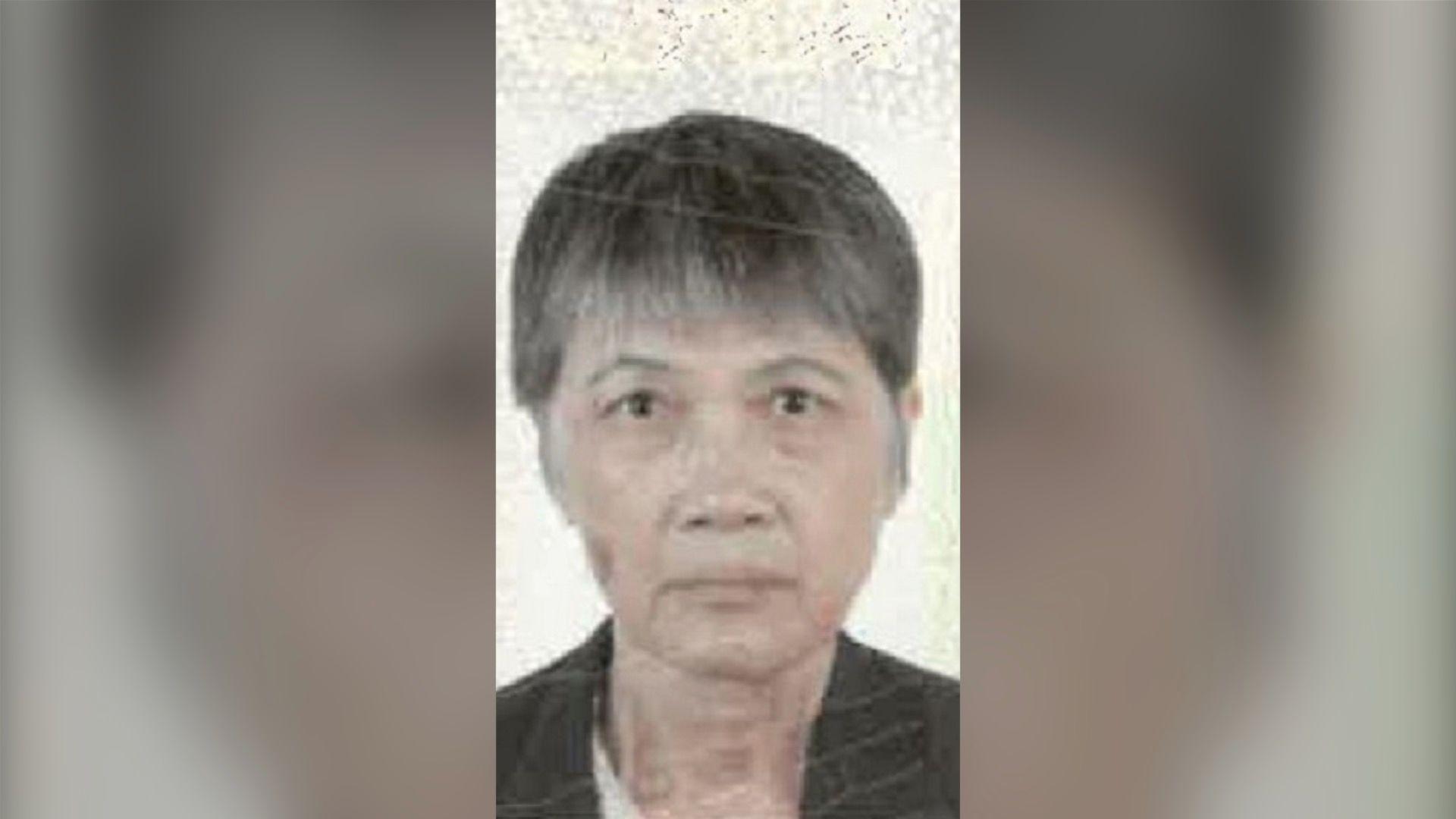
Former Chinese Premier Zhu Rongji, an architect of the country’s assault on the global trading stage, died at 97. He was a central figure in steering China through the 2000s, helping the nation secure entry into the World Trade Organization and laying the foundations for its explosive manufacturing boom.
From 1998 to 2003, Zhu oversaw sweeping reforms that moved tax authority to the central government, privatized failed state firms, and championed home‑ownership initiatives. These moves opened Chinese factories to foreign investors and re‑oriented domestic markets, contributing to double‑digit growth rates during his premiership.
Despite the economic successes, his policies sparked controversy. Critics point to the 30 million jobs lost under state‑run enterprises and the widening inequality that followed rapid growth. Yet, the same officials who denounced him early in his career later described him as a "fighting" member of the Communist Party and a "bright" reformer.
Before his rise, Zhu had endured political purges twice—first as a “rightist” after he openly criticised Mao’s policies, and again during the Cultural Revolution. Following Mao’s death he was reinstated and, by 1991, had become vice‑premier in charge of the economy, before taking the top post a decade later.
Zhu’s legacy, highlighted in state media obituaries as one of “revolution, struggle and brilliance,” is widely regarded as pivotal in transforming China from a Communist outsider to a global manufacturing powerhouse.