In brief
Authorities recovered around twenty bodies from the coast of northern Senegal after a boat ran aground near Lompoul Beach on November 7. Gendarmes and firefighters were involved in the collection and transport of the remains for identification, while the Senegalese Press Agency reported that details about the victim count and the circumstances remain unclear. The incident underscores the need for stronger maritime safety oversight and emergency response coordination in the region.
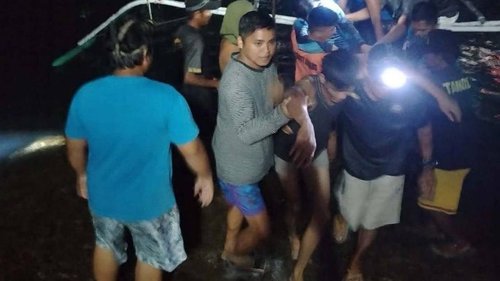
Aboat that ran aground off the coast of northern Senegal on Saturday, November 7, was found to have produced the recovery of roughly 20 bodies along Lompoul Beach near Tebene. According to the Senegalese Press Agency (APS), the wreck was reported a day earlier by a security source, and emergency crews were dispatched to the site the next afternoon.
The formal recovery operation was carried out by gendarmes and firefighters who collected the bodies from the coast in the Potou Saradao area of the Kebemer department. They then transported the remains for identification procedures, a process that authorities said would involve local morgue facilities and forensic teams.
While the number of victims has been roughly estimated at 20, the authorities have not yet released the precise number of passengers on the vessel, nor have they stated clear information on the cause of the grounding. The acronyms and institutional names cited in the report—APS, gendarmes, and the coast guard—indicate that both media and security apparatuses are involved in the investigation, but no official statements about legal accountability or investigative leads have been issued to date.
Senegal’s maritime regulatory frame, overseen by the Ministry of Maritime Affairs, is tasked with ensuring vessel safety, regulating passenger transport, and enforcing laws against illicit smuggling. In recent years, the government has increased funding for coastal patrols and has updated safety equipment requirements for civilian vessels. The incident therefore raises questions about whether the responsible vessel was compliant with these regulations, and whether the Coast Guard’s patrol schedule was adequate for the traffic in the area.
In a broader regional lens, maritime tragedies have become a recurring feature along West Africa’s coast. This pattern is reflected in other international reports covering similar incidents. For instance, an Aljazeera article from November 8 noted that two people had been found dead on a migrant boat heading for the Canary Islands, and that five others were believed to have died during the voyage. Meanwhile, a separate social media post highlighted the arrest of two Sudanese men in the Netherlands on suspicion of human smuggling after rescuing 38 migrants from a damaged boat. These events illustrate the complex network of smuggling routes that frequently involve overloaded, under‑inspected craft alike.
Public accountability in these cases often hinges on the ability of national authorities to promptly investigate the root causes, identify responsible parties, and administer legal or corrective measures where necessary. In Senegal, the constitution and recent parliamentary debates have underscored the need for greater governmental oversight over maritime safety, especially in light of high casualty incidents that expose gaps in enforcement.
Stakeholders—including local fishing communities, maritime workers, and Catalan coast patrol officials tasked with monitoring migratory movements—are calling for increased transparency from the authorities. The recovery of the bodies has prompted petitions from families in the Vetène fishing area, urging the Ministry of Interior to provide clear procedural updates about identification efforts and the forthcoming inquiry.
Moving forward, experts suggest a multi‑level approach: strengthening vessel licensing procedures, imposing stricter safety inspections, and enhancing real‑time monitoring of maritime traffic through satellite or radar systems. The 20‑body incident, while tragic, could serve as a catalyst for policy reforms aimed at bolstering national and regional safety nets across West Africa’s vast coastlines.
In the meantime, the Senegalese government continues to cooperate with the national forensic team while coordinating with the Ministry of Justice to establish legal proceedings once the investigation concludes. Families of the victims have expressed the urgent need for closure, as the lack of definitive answers about the cause of the disaster keeps the community in unrest.