In brief
On Nov. 3, 2026, Brunei Fertilizer Industries and Muara Port Company exchanged agreements to strengthen logistics services for urea exports. The partnership seeks to streamline operations at Muara Port, enhance Brunei’s logistics capacity, and provide local companies with greater economic opportunities. Strict compliance with quality, cleanliness, and biosecurity standards will remain central as the two firms expand integrated terminal and land‑based operations.
On November 3 2026, Brunei Fertilizer Industries (BFI) and Muara Port Company (MPC) formalised a new partnership aimed at boosting the country’s urea export logistics. The exchange of agreements marked a significant expansion of a long‑standing collaboration that seeks to streamline the movement of granular urea from Brunei’s deep‑water Muara Port to international markets.
BFI is the nation’s sole producer of urea, a primary fertilizer ingredient that is critical to agricultural productivity in Brunei and its neighbouring regions. Until now, most of the urea produced is shipped through the vast Muara Port terminal, which serves as the main conduit for Brunei’s trade in raw agricultural commodities. By improving the terminal’s efficiency, the export operation is expected to reduce shipping times and lower costs for BFI and its customers worldwide.
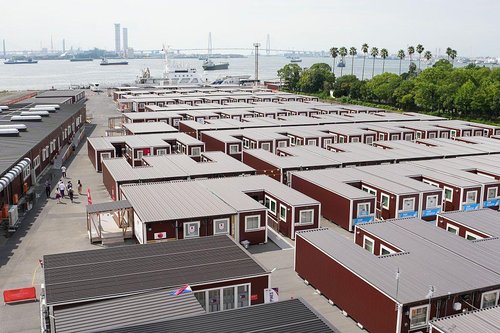
The agreements, signed by senior executives from both companies, reinforce decades of collaboration between BFI and MPC. While the details of the contracts were not publicly disclosed, officials confirmed that they will focus on enhancing logistics services, terminal operations, and the integration of containerised land‑based facilities that feed directly into the port’s shipping cycle.
One of the primary objectives is to streamline the export process by addressing bottlenecks that have historically slowed cargo movement. This includes upgrading the loading infrastructure, improving inventory management systems, and coordinating schedules between BFI’s production lines and MPC’s maritime operations. Together, the firms plan to reduce turnaround times for urea shipments, thereby increasing the throughput of the Muara Port terminal.
The partnership is projected to bring direct economic benefits to local enterprises. By improving logistical efficiency, BFI and MPC anticipate that Brunei’s domestic suppliers of packing materials, transport services, and ancillary equipment will experience higher demand. Local job creation is also a key metric, as the enhanced terminal will require additional staffing for handling, inspection, and coordination roles.
MPC’s role within the extended partnership includes the provision of an integrated logistics solution for BFI’s granular urea. According to a briefing from the Borneo Bulletin, the company will extend its services to cover containerised land operations, thus linking the port’s freight handling directly with on‑shore storage and distribution facilities. This vertical integration is designed to minimize the time urea spends on the ground before loading onto ships, a key factor in the cost and quality control of chemical fertilisers.
Compliance with stringent international standards remains at the core of the project. Importing countries impose rigorous quality, cleanliness, and biosecurity requirements on urea shipments to safeguard their agricultural ecosystems. BFI’s exports must therefore meet these expectations at every stage of the logistics chain—from production through transport to final loading onto vessels. The new agreements outline procedures and checkpoints that will ensure constant monitoring and reporting on these standards.
Beyond the immediate logistics improvements, the partnership is also intended to support the downstream industrial sector within Brunei. The fertilizer industry is a foundational element for the nation’s agriculture, and by securing a more reliable supply chain, Brunei can foster growth in related industries such as agribusiness, food processing, and even bio‑fuel manufacturing. A smoother export process reduces the risk of shortages that could otherwise ripple through these ancillary sectors.
The civic implications of the agreement extend to public accountability and governance. Both BFI and MPC are state‑owned entities, and the dissemination of information on their cooperation signals a commitment by the Brunei government to transparency in public‑sector operations. The contracts also oblige the companies to adhere to national environmental and health regulations, thereby underscoring the state’s role in overseeing public welfare through industrial activity.
Stakeholders—including domestic labour groups, local chemical suppliers, and agricultural producers—are closely monitoring the impact of the partnership. The improvements in logistics are expected to curb costs for exporters, while simultaneously creating a more secure supply chain that can respond to global demand fluctuations. Those involved in the downstream supply chain anticipate that larger volumes of urea will reduce the turnover time for fertilizer distribution to farms, potentially raising crop yields and stabilising rural income.
Forward‑looking commentators from the local business community expect that the enhanced logistics framework will position Brunei as a more competitive participant in the global fertilizer market. By tightening the safety net that governs product quality and biosecurity, the nation hopes to strengthen its reputation among buyer countries that have historically applied stringent Halal and environmental criteria.
In summary, the July‑12 2026 agreements between BFI and MPC represent a strategic step toward modernising Brunei’s export infrastructure. The focus on improving terminal operations, integrating land‑based logistics, and upholding rigorous export standards is likely to yield a range of civic benefits—from expanded local employment to strengthened oversight of public sector enterprises. The partnership exemplifies how state‑owned firms can collaborate to reinforce national economic resilience while maintaining high standards of product safety and corporate accountability.