In brief
Sri Lanka’s Navy and Air Force began a coordinated search for seven fishermen who went missing in two separate incidents along the southern and northeastern coasts. One four‑man vessel departed from Matara on October 21 and disappeared after last contact on October 23; another three‑man vessel left Mullaitivu at an unknown date and remains unlocated. Weather reports linked to a Bay of Bengal cyclone have complicated rescue efforts and prompted authorities to warn against further maritime activity.
Sri Lanka has called in its navy and air force to search for seven fishermen who went missing in two separate incidents off the country’s southern and northeastern coasts. The Navy said the first vessel, a four‑man boat, departed from Kudawella in the Matara district on October 21, and lost contact after the owner last spoke on October 23. The second vessel, carrying three men, left Puthumathalan in the Mullaitivu district, though the exact departure date was not disclosed. Both boats have yet to be located.
South Coast Incident
Sri Lanka’s Navy announced that the four‑man crew left Kudawella on October 21 and that their last communication with the vessel’s owner was on October 23. After the owner reported the vessel missing, the navy contacted the air force to assist in the search. The navy has emphasized its commitment to locating both the missing boat and its crew as a priority for maritime safety.
North‑East Coast Incident
The separate search for the three‑man vessel that departed from Puthumathalan in the northeastern Mullaitivu district continues, according to navy officials. The vessel’s disappearance was reported by the owner, prompting the navy to begin operations. No further details were provided about the departure date or the vessel’s last known position.
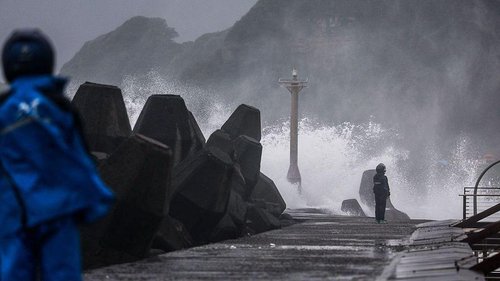
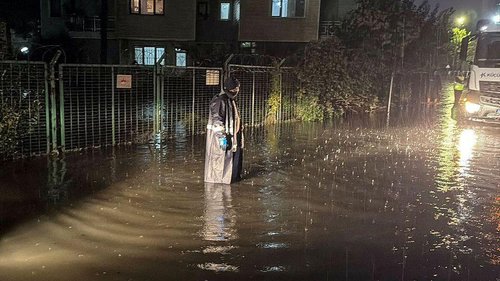
The search operations are taking place amid intense weather conditions. The Department of Meteorology has warned of strong winds, rough seas and heavy thunderstorms linked to a cyclone in the Bay of Bengal. Those conditions have made the use of surface vessels and aircraft more hazardous.
In response, the department has urged fishermen and naval vessels to suspend ocean activity in affected sea areas until further notice. It also advised those already at sea to move toward safer waters. The warning reflects the potential risks seen by authorities as they continue the search missions.
The missing fishermen’s families, as well as the broader coastal communities that rely on fishing for their livelihoods, are closely monitoring the development. The families are expected to experience significant financial and emotional hardship while the governments handle the search and rescue operations. For many fishermen, the sea represents not only a source of income but also a cultural and societal link that communities depend on.
The government’s response indicates an active attempt to fulfill its duty of public safety and accountability. The navy’s coordination with the air force signals a commitment to maximizing resources for emergency responses. Yet the lack of precise location data and the adverse weather conditions present a challenge to effectively conducting operations.
Stakeholders across civil society, including local fishermen’s associations, have also voiced calls for clearer protocols and public communication regarding maritime safety. The pursuit of transparent reporting and accountability is central to the civic stakes at play, especially since early detection and swift rescue can prevent further loss of life. Communities in Matara and Mullaitivu demand thorough investigations into why the vessels failed to remain in safe waters and what preventive measures can be instituted.
Until the missing fishermen are recovered or identified, the search continues as authorities work through the complexity of a cyclone‑impacted region. The ongoing efforts underscore the importance of vigilant public oversight over maritime authorities, especially when weather conditions pose significant risks to coastal populations. The outcome of these operations will become a clear reference point for governance and community resilience in future crises.