Article Text:
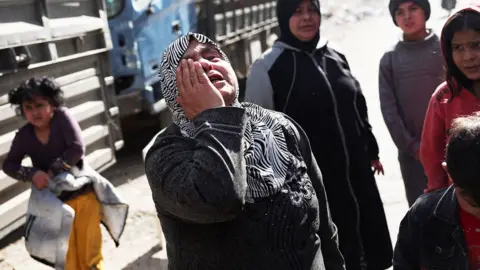
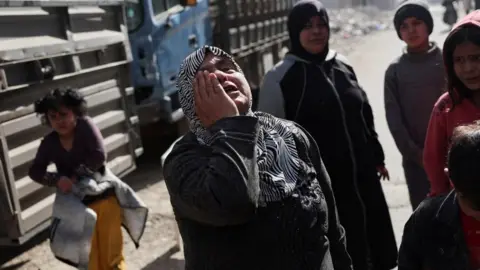
With the regime's recent collapse, families of detained Syrians have been plunged into a haunting mix of hope and despair. As thousands of inmates were freed, including from notorious facilities like Saydnaya prison in Damascus, many families are still left wondering about the fate of their loved ones who remain unaccounted for.
Rania Al-Abassi was arrested in 2013 alongside her six children, ages two to 14. Her sister, Naila Al-Abassi, residing in Saudi Arabia, expressed ongoing fears for their safety and wellbeing. "We are desperate to find Rania and her children," she told the BBC, revealing that aside from one piece of information following the arrest, their knowledge about their conditions has been nonexistent.
The family believes they were held at a prison controlled by Syrian intelligence. A released inmate once claimed to have heard children's voices in the facility, igniting a flicker of hope for the Al-Abassi family. Naila stated, "It is unbearable waiting, especially knowing so many have been released and not seeing Rania." After 13 years in this endless cycle of pain, the wounds remain fresh and open.
Meanwhile, Maryam Kamalmaz, whose father, a U.S.-based psychotherapist, disappeared in Syria in 2017, holds onto the hope that he may still be alive. The FBI has informed her family of credible yet inconclusive evidence regarding his fate. "They told us he was dead but provided no body," she recalled. With numerous reports of individuals previously declared dead resurfacing, Maryam clings to her belief that her father may still be alive.
Both women represent countless families whose hearts endure the arduous journey of uncertainty, searching for missing relatives amidst a backdrop of horror and human rights abuses pervasive in Syrian prisons. As hope wavers, the unbearable reality of their plight remains entrenched in the psyche of a nation scarred by its civil war.
With the regime's recent collapse, families of detained Syrians have been plunged into a haunting mix of hope and despair. As thousands of inmates were freed, including from notorious facilities like Saydnaya prison in Damascus, many families are still left wondering about the fate of their loved ones who remain unaccounted for.
Rania Al-Abassi was arrested in 2013 alongside her six children, ages two to 14. Her sister, Naila Al-Abassi, residing in Saudi Arabia, expressed ongoing fears for their safety and wellbeing. "We are desperate to find Rania and her children," she told the BBC, revealing that aside from one piece of information following the arrest, their knowledge about their conditions has been nonexistent.
The family believes they were held at a prison controlled by Syrian intelligence. A released inmate once claimed to have heard children's voices in the facility, igniting a flicker of hope for the Al-Abassi family. Naila stated, "It is unbearable waiting, especially knowing so many have been released and not seeing Rania." After 13 years in this endless cycle of pain, the wounds remain fresh and open.
Meanwhile, Maryam Kamalmaz, whose father, a U.S.-based psychotherapist, disappeared in Syria in 2017, holds onto the hope that he may still be alive. The FBI has informed her family of credible yet inconclusive evidence regarding his fate. "They told us he was dead but provided no body," she recalled. With numerous reports of individuals previously declared dead resurfacing, Maryam clings to her belief that her father may still be alive.
Both women represent countless families whose hearts endure the arduous journey of uncertainty, searching for missing relatives amidst a backdrop of horror and human rights abuses pervasive in Syrian prisons. As hope wavers, the unbearable reality of their plight remains entrenched in the psyche of a nation scarred by its civil war.