
In brief
Iran has executed three men, including teenager Saleh Mohammadi from the national wrestling team, for alleged involvement in anti-government protests. This marks the first execution linked to the protests, which have led to widespread violence and significant loss of life. The teens' executions have faced international scrutiny regarding their legality and the fairness of the trials.
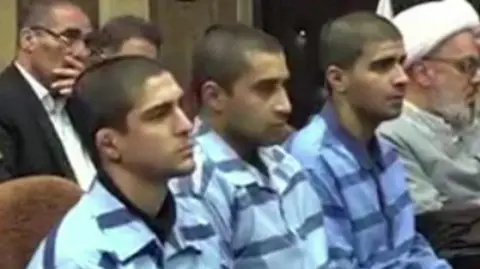
Iran has executed three men accused of killing police officers during anti-government protests in January, state media say, marking the first hangings in connection with the demonstrations.
Among the executed was teenager Saleh Mohammadi, a member of Iran's national wrestling team, according to sources.
The executions occurred on Thursday morning in Qom province after the Supreme Court upheld their death sentences, as reported by Iran's Tasnim news agency.
The nationwide protests, ignited in December and escalating in January, were met with a violent crackdown by Iranian authorities, with rights groups estimating thousands of deaths.
According to Tasnim, Mohammadi and two others, Mehdi Ghasemi and Saeed Davoudi, were convicted of killing two police officers in separate attacks. They were also charged with moharebeh—a term used by Iran to impose death sentences on opponents of the Islamic regime.
Rights organizations assert that the individuals faced torture and were executed without a fair trial.
Their deaths followed the execution of Kouroush Keyvani, a dual Iranian-Swedish national accused of spying for Israel.
The protests were sparked by economic grievances but transformed into demands for political change, proving to be one of the greatest challenges to the ruling clerics since the Islamic Revolution in 1979.
With a near-total internet blackout complicating information dissemination, reports indicate widespread violence against demonstrators, including documented deaths among children during the protests.

