
In brief
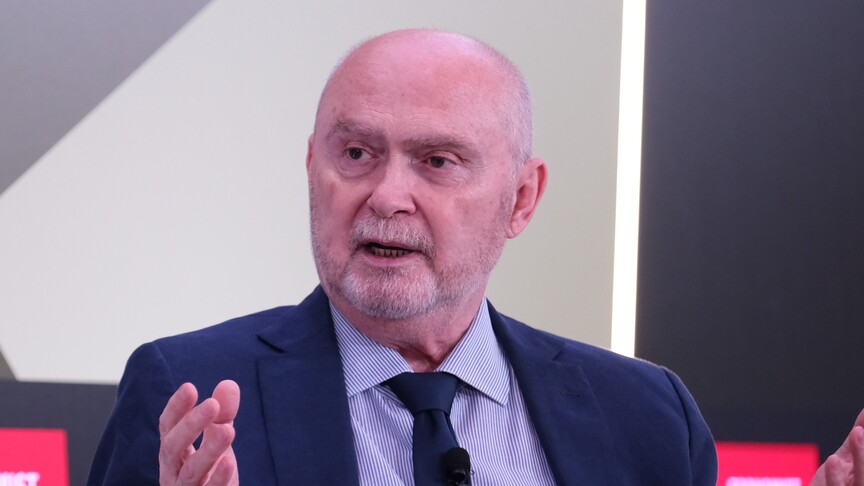
In a bid to resolve a year‑long deadlock in selecting the UN Secretary‑General, Turkey formally nominated OSCE Secretary‑General Feridun Sinirlioglu on November 1, 2026. Foreign Minister Hakan Fidan said the nomination was a diplomatic effort to restore momentum, even as Latin American candidates had stalled. The move underscores Turkey’s role in global governance and its willingness to influence the UN’s leadership.
On November 1, 2026, Turkey formally nominated OSCE Secretary‑General Feridun Sinirlioglu as a candidate for the United Nations Secretary‑General, a move announced by Foreign Minister Hakan Fidan during a G20 foreign‑minister meeting in Atlanta, Georgia.
In a statement delivered to Anadolu Agency and Turkish public broadcaster TRT, Fidan explained that Turkey’s bid was intended as a diplomatic contribution to “overcome the impasse” that had been built up over the past year in the UN selection process.
The selection process, which traditionally follows an informal geographical rotation, had seen several Latin American candidates vying for the post. Fidan described the situation as a deadlock, noting that the process had stalled amid competition among the Latin American nominees.
According to Fidan, Turkey had been “closely monitoring” the proceedings. He added that the country had anticipated potential complications among the candidates, prompting Ankara to consider putting forward its own nominee only if the deadlock became apparent.
Turkey’s formal submission came through a letter dated the previous day that was transmitted by the Turkish UN Ambassador Ahmet Yıldız to the presidents of the General Assembly and the Security Council. In the letter, President Recep Tayyip Erdoğan officially endorsed the nomination, in line with both the UN Charter and a General Assembly resolution.
The diplomat, who has served as OSCE Secretary‑General since 2022, brings a wealth of international experience, having held diplomatic posts that intersect environmental, security, and cooperation fields. Fidan underscored Sinirlioglu’s experience as an asset that would benefit the UN’s global agenda.
"Our goal is to provide a diplomatic contribution aimed at overcoming the impasse," Fidan said.
We chose Feridun Sinirlioglu because he has the diplomatic skill set needed to restore momentum to this long‑stalled process.
Fidan explained that the nomination was not meant as an attempt to enter a competitive race but rather to help reposition the process and break the stagnation caused by competing interests.
The article highlighted that, historically, nominations have occasionally come from regions outside the informal rotation when deadlock threatened to derail the process altogether. Turkey’s actions echo those precedents.
The broader civic stakes of the nomination are significant. The Secretary‑General’s role, though ceremonial in some aspects, shapes the UN’s policy agenda, budget priorities, and peacekeeping operations. A shift in leadership can alter how international cooperation is pursued, influencing everything from climate agreements to security mandates.
In addition, the nomination process relies on the secretarial goodwill of UN member states and the voting power of the Security Council and General Assembly. By inserting itself into the selection, Turkey signals its desire to maintain a proactive stance in global governance, ensuring that its interests can be reflected in the body’s overarching strategic policy decisions.
Turkey’s bid also reflects the dynamics of international accountability. The UN Charter requires the Secretary‑General to act independently and transparently, balancing the interests of highly varied member states. By selecting a seasoned OSCE diplomat, Turkey may bolster calls for more robust oversight mechanisms and accountability procedures within the UN’s operations.
Observers noted that the United Arab Emirates’ candidate, Lana Nusseibeh, had also been a focal point in recent discussions about the role of smaller states in the UN.
While the Turkish government maintains that its nomination respects the Latin American expectation for turn‑based rotation, the move is likely to influence the political calculations of other member states, especially those with vested interests in the UN’s policy directions.
On the civic front, citizens in Turkey and around the world will watch how the United Nations’ leadership evolves, given the Scope of the Secretary‑General to mobilize human rights, democracy, and sustainable development initiatives. The nomination thereby touches the everyday lives of individuals in member states, from governance reforms to international aid distributions.
At the same time, the decision underscores the importance of diplomatic engagement and multilateralism in resolving procedural impasses. The Turkish approach suggests that even when formal procedures stall, alternative diplomatic channels can bring renewed momentum, potentially ensuring the UN continues to function as a forum for collective problem‑solving.
As the UN’s selection process unfolds, member states will likely continue to weigh the implications of the nomination on political representation, institutional accountability, and the balance of regional influence in global decision‑making.

