In brief
On World Cities Day, Riyadh announced a comprehensive urban transformation plan featuring a new metro network, expanded green spaces, and a public‑art program. These projects aim to link residential areas with business, cultural and entertainment hubs while safeguarding historic sites such as Al‑Masmak Palace.
On World Cities Day, Riyadh announced a sweeping suite of urban renewal initiatives designed to transform the capital’s infrastructure, environment, and cultural landscape, according to a statement from the Saudi Press Agency (SPA). The launch, timed with the company’s celebrations of the international observance on October 31, 2026, positions the projects as concrete steps toward the nation’s Vision 2030 agenda.
Transport and Mobility
Central to the transformation is the Riyadh Metro, a system that officially spans 176 kilometres and boasts 85 stations across six lines. The SPA report emphasises that the network is intended to “improve connectivity and mobility across the city,” linking residential neighbourhoods with business districts, cultural venues and entertainment destinations. The expansion of the metro network is positioned as a key mechanism for reducing traffic congestion, accelerating economic activity and enhancing the daily commute for the city’s residents.
The metro’s reach extends into the newly developed King Abdullah Financial District, a modern commercial hub that represents another cornerstone of the city’s growth strategy. By interlinking these zones, Riyadh aims to create a more integrated urban fabric that serves the needs of its diverse population, from local commuters to international investors and tourists visiting historic markets such as Al‑Dirah.
Green Spaces and Cultural Revival
Alongside the transportation upgrades, the SPA outlined two primary environmental initiatives: the Green Riyadh Program and the development of King Salman Park. The Green Riyadh Program is described as an effort to expand green spaces throughout the city, while King Salman Park is noted to combine natural landscapes with cultural, sports and recreational facilities. The park’s design intends to provide a communal space that reflects the city’s evolving lifestyle and social expectations.
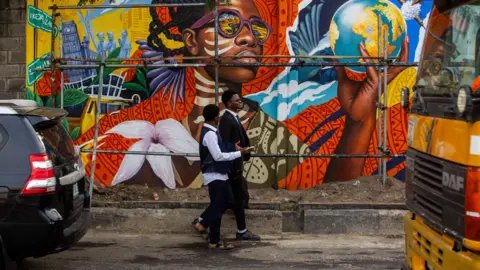
Wadi Hanifah, recognised as one of Riyadh’s major natural landmarks, is also highlighted in the public‑art rollout. The Riyadh Art project aims to introduce public art into streets, squares, parks and public facilities, thereby enriching the city’s cultural life. According to the SPA, these artistic installations will be sited in areas that historically carried cultural significance, including the vicinity of Al‑Masmak Palace.
Al‑Masmak Palace, a historic fort situated in the heart of the city, and the traditional markets of Al‑Dirah are slated to be preserved as part of the transformation effort. The SPA notes that the city is balancing modernization with heritage conservation, indicating that the palace and its surrounding precinct will remain integral to Riyadh’s identity even as new civic amenities are introduced.
These coordinated projects collectively aim to strengthen public accountability by providing infrastructure that is accessible to all citizens. The SPA briefing underscored that the new metro network, green spaces, and cultural initiatives are designed to meet the needs of everyday residents while also bolstering the city’s image as a global, modern metropolis.
By synchronising the launch of these projects with World Cities Day, Riyadh seeks to highlight its commitment to sustainable urban planning and to showcase the steps taken toward fulfilling Vision 2030’s long‑range goals. The stable growth of transport solutions and public amenities is expected to attract residents, business investment, and cultural engagement, thereby driving the city’s socioeconomic development.
While specific metrics on job creation or investment attracted by these projects are not included in the SPA statement, the city’s focus on connectivity and heritage is framed as a crucial investment in infrastructure that will directly influence the daily lives of Riyadh’s residents and indirect stakeholders such as businesses, cultural institutions and commuters who rely on upgraded public transit and preserved historic sites.
The Saudi Press Agency’s press release calls for community engagement and implies a level of public oversight that places accountability at the center of the city’s transformation narrative. By aligning new infrastructure with culturally significant sites and expansive green initiatives, the capital is positioning itself as a forward‑looking, culturally respectful urban centre that can harmonise the needs of its population with the global standards expected of a modern capital.
In summary, Riyadh’s strategy features a multi‑layered approach that integrates advanced public transit, expanded green spaces, and public‑art installations while preserving historic landmarks. This holistic urban renewal agenda reflects a balancing act between growth, civic infrastructure, and cultural heritage preservation as the city positions itself for the demands of a 21st‑century population and global residents alike.