Michelle, a 38-year-old quality engineer from Arizona, identifies as a Republican yet opts to support Kamala Harris, citing concerns about women's rights and healthcare. "I'm not a one-issue voter, but that is a huge one," she remarks, sharing her personal struggles with medication access after the Supreme Court's ruling. She believes a Harris presidency would affirm the potential of women, reflecting her parents' encouragement that gender should not limit one's opportunities.
Conversely, a Texas nurse practitioner who previously supported Trump remains steadfast in her choice despite acknowledging his controversial statements. "I'm not voting personality; I'm voting policy," she insists, emphasizing that while she values women's rights, Harris's ambiguity on abortion timelines poses a concern for her.
Political perspectives vary among women voters, with one Democrat from Illinois questioning Trump's sincerity on reproductive rights and expressing hope in Harris's ability to understand these issues as a woman of color. Another voter, a library assistant who backed Trump in 2020, finds herself undecided, contemplating a write-in candidate instead of fully endorsing either major candidate.
Angela, a graduate student in Iowa, expresses disappointment with both candidates on abortion and women's issues, despite her support for Harris. A retired Republican voter echoes similar sentiments, critiquing Harris's competency but expressing support for Trump’s state-focused legislation.
An independent voter in Florida emphasizes the importance of supporting parties that back reproductive rights, remarking on the outdated representation women face in governance compared to global standards. In contrast, a Georgia voter, who identifies as pro-life, struggles with her options, reflecting internal conflicts influenced by faith and the political landscape.
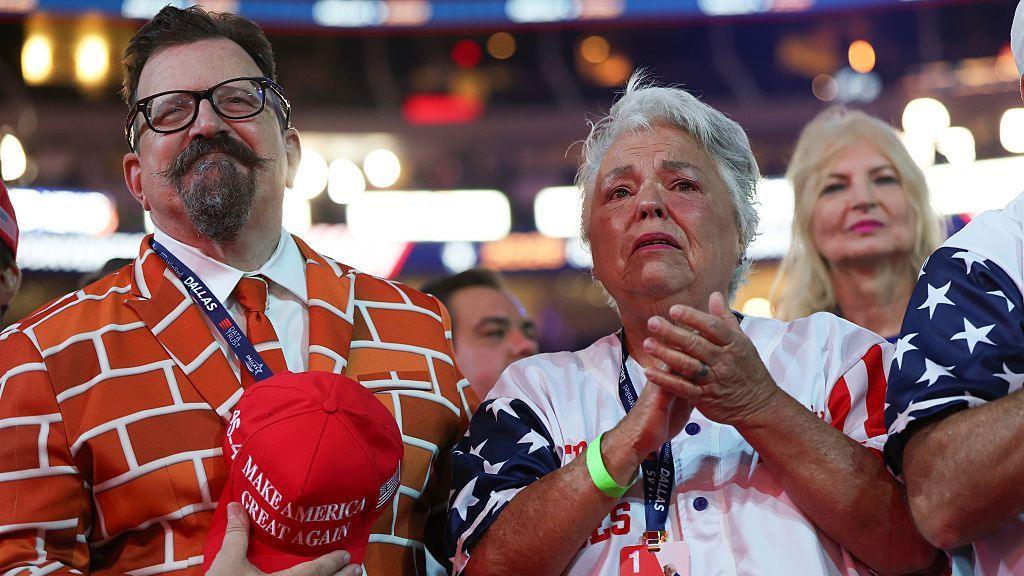
A retired Texas resident, who previously voted for Biden, shares her fears about the potential regression of women's rights, stating, "It is so disturbing that it is so close." As election day approaches, voter voices illustrate the centrality of abortion in the electoral decision-making process, highlighting a crucial issue that could dictate the outcome of the election.
Conversely, a Texas nurse practitioner who previously supported Trump remains steadfast in her choice despite acknowledging his controversial statements. "I'm not voting personality; I'm voting policy," she insists, emphasizing that while she values women's rights, Harris's ambiguity on abortion timelines poses a concern for her.
Political perspectives vary among women voters, with one Democrat from Illinois questioning Trump's sincerity on reproductive rights and expressing hope in Harris's ability to understand these issues as a woman of color. Another voter, a library assistant who backed Trump in 2020, finds herself undecided, contemplating a write-in candidate instead of fully endorsing either major candidate.
Angela, a graduate student in Iowa, expresses disappointment with both candidates on abortion and women's issues, despite her support for Harris. A retired Republican voter echoes similar sentiments, critiquing Harris's competency but expressing support for Trump’s state-focused legislation.
An independent voter in Florida emphasizes the importance of supporting parties that back reproductive rights, remarking on the outdated representation women face in governance compared to global standards. In contrast, a Georgia voter, who identifies as pro-life, struggles with her options, reflecting internal conflicts influenced by faith and the political landscape.
A retired Texas resident, who previously voted for Biden, shares her fears about the potential regression of women's rights, stating, "It is so disturbing that it is so close." As election day approaches, voter voices illustrate the centrality of abortion in the electoral decision-making process, highlighting a crucial issue that could dictate the outcome of the election.