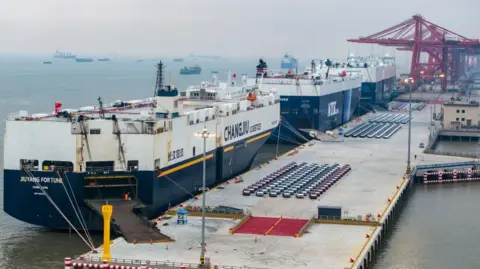
The sudden shift in trade policy poses a critical challenge to China's already sluggish economy, where weak domestic consumption relies heavily on exports for growth. Export businesses are struggling to navigate the increased costs and uncertainty caused by these tariffs, with many fearing for their already thin profit margins. Dan Wang from the Eurasia Group suggested that any tariff above 35% could eliminate profits for exporters, impacting the nation's growth trajectory post-COVID, where exports previously contributed significantly.
While China has not formally retaliated against the tariffs yet, speculation exists regarding potential actions, including bans on Hollywood films and adjustments to fentanyl cooperation. Similarly, companies like Fuling, which supplies disposable tableware to American fast-food giants, have started seeking avenues to mitigate the tariff impact, including relocating production to Indonesia. However, new levies on exports from Indonesia have only added to the uncertainty.
The situation extends beyond China's borders, severely affecting Southeast Asian economies that have also faced steep tariffs. As economists warn of potential global recession, industry leaders express concerns over the unprecedented upheaval the tariffs are causing in trade relationships. Some analysts see this as a catalyst for China to shift towards greater reliance on domestic consumption, a move fraught with challenges.
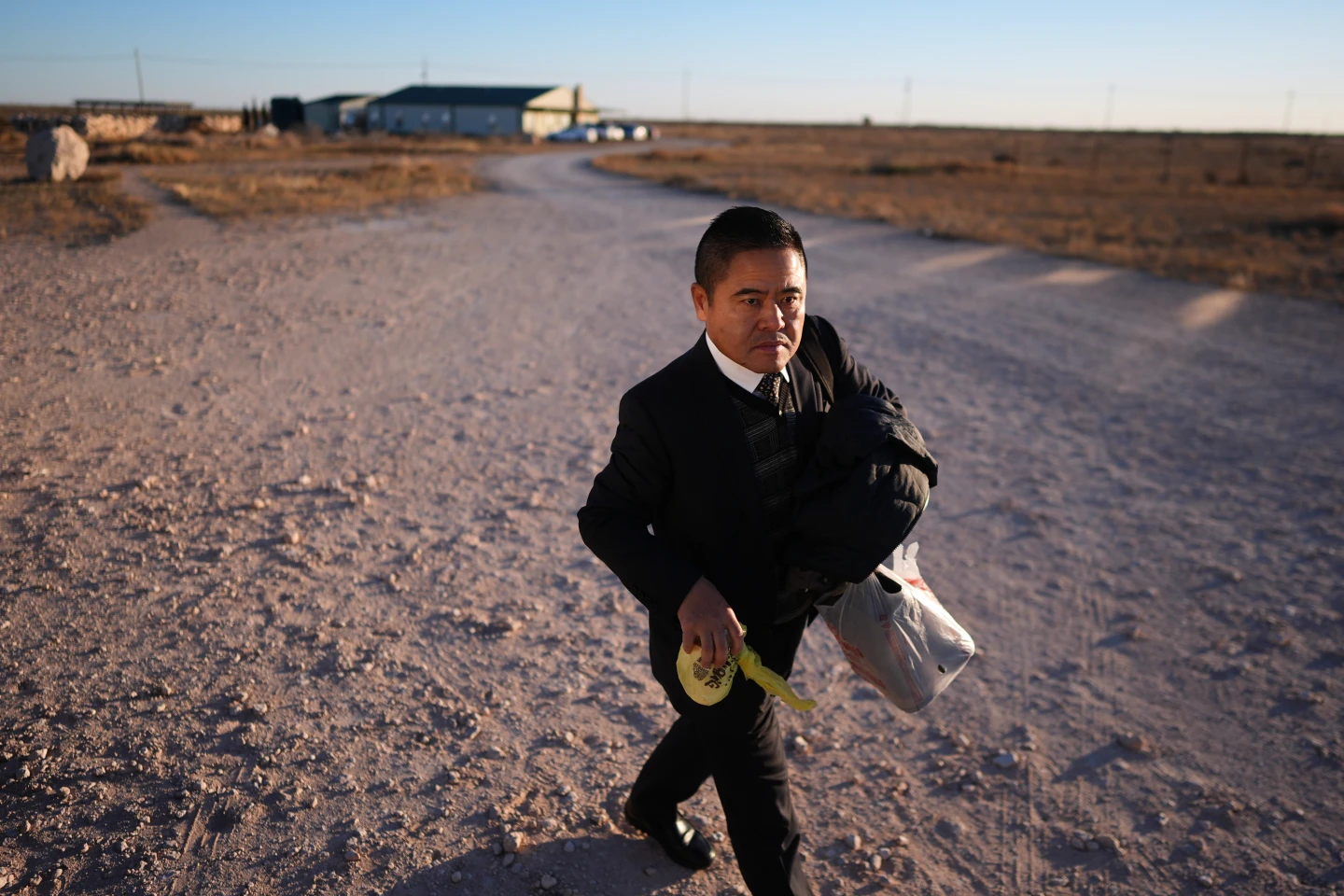
With President Trump not engaging in dialogue with Chinese leader Xi Jinping since his return to office, businesses like Wu Changchun's express uncertainty about the future, detailing negotiations to share the financial burdens of tariffs with American clients. The outlook remains grim for international trade, as many anticipate that if such high tariffs persist, the fundamental dynamics of global commerce will shift dramatically.
While China has not formally retaliated against the tariffs yet, speculation exists regarding potential actions, including bans on Hollywood films and adjustments to fentanyl cooperation. Similarly, companies like Fuling, which supplies disposable tableware to American fast-food giants, have started seeking avenues to mitigate the tariff impact, including relocating production to Indonesia. However, new levies on exports from Indonesia have only added to the uncertainty.
The situation extends beyond China's borders, severely affecting Southeast Asian economies that have also faced steep tariffs. As economists warn of potential global recession, industry leaders express concerns over the unprecedented upheaval the tariffs are causing in trade relationships. Some analysts see this as a catalyst for China to shift towards greater reliance on domestic consumption, a move fraught with challenges.
With President Trump not engaging in dialogue with Chinese leader Xi Jinping since his return to office, businesses like Wu Changchun's express uncertainty about the future, detailing negotiations to share the financial burdens of tariffs with American clients. The outlook remains grim for international trade, as many anticipate that if such high tariffs persist, the fundamental dynamics of global commerce will shift dramatically.