‘Constantly on my mind’ - 25 years on, families of 9/11 victims still feel the pain of loss, as lawyers and courts await the decades‑long trial of the alleged mastermind of the attacks.
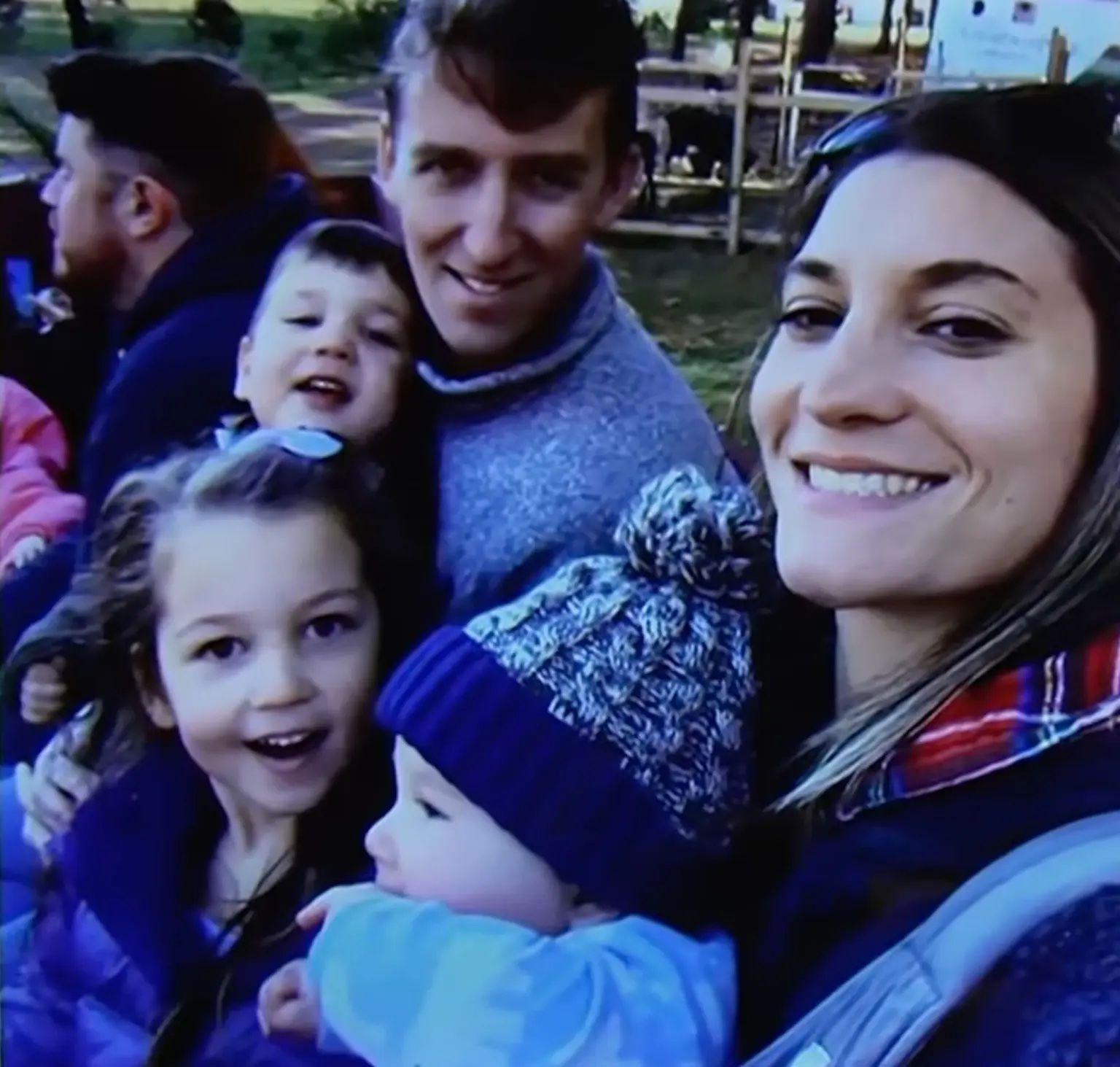
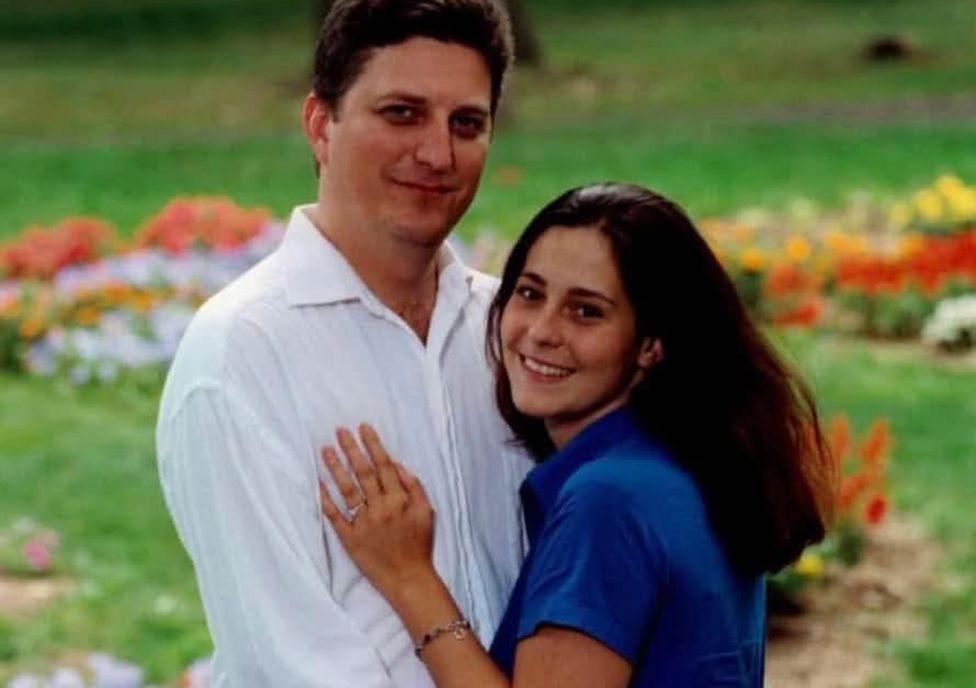
John and Sylvia Resta were among the almost three thousand people killed on 11 September 2001 when hijackers flew commercial planes into the World Trade Center in New York City and the Pentagon in Virginia. The couple had been preparing a nursery for their unborn baby on the day, before the towers collapsed. Sylvia was already seven months pregnant.
Resta said the day’s tragedy still “chokes me up” after 25 years. He has seen the same buildings and scars in the 92nd floor of the North Tower, where he and Sylvia were working as traders.
The US government has called the attacks the “most egregious criminal act on American soil in modern history.” Yet the trial of its alleged mastermind, Khalid Sheikh Mohammed (KSM), has yet to begin.
Resta has made several trips to Guantanamo Bay, where military courts hold pre‑trial proceedings with KSM and co‑defendants. The pre‑trial process has spanned decades, with five different military judges presiding. The court system has compensated for the trials by allowing families to watch proceedings in a high‑security courtroom through thick glass.
In March, a military judge set a new trial date for KSM for June 2028. Resta, however, warns that further delays are possible. He fears that relatives, especially long‑lived aunts and uncles, may not live to see a verdict. “Hopefully all the defendants will still be alive by the time we get to trial. That’s a big worry,” he says.
Other victims’ relatives share similar concerns. Stephan Gerhardt, who has visited Guantanamo multiple times, says his main worry is a conviction before he dies. He says that torture of the defendants has made legal proceedings complicated and that he wishes to “concentrate on memories,” not the ongoing legal process.
Experts say the prolonged delays stem from alleged torture. Judge Andrew L. Freund declared the confessions obtained in CIA black sites “not voluntary” and forbidden to use. International law professor Kasey McCall‑Smith explains that torture has been the “main reason” for the extended pre‑trial period, and that litigation has revolved around dealing with this evidence.
The prosecution, however, has other material. John Ryan, an author on the case, says prosecutors can still use intercepted phone calls and secret recordings. Yet whether these can be admitted remains uncertain; the defendants will file motions to suppress them.
Since the war began, the US has used so‑called “enhanced interrogation techniques,” which were later banned under President Obama. The torturous practices have had a lasting impact on both defendants and the families waiting for judgment.
Victims’ relatives have mixed views on a plea deal that was once offered to KSM and two co‑defendants. While some see it as the only way to secure convictions, others believe it is too lenient and lacks transparency. The Resta family supported the deal because they want a conviction, not a public trial that would “bring justice” to their memory.
Brett Eagleson, whose father Bruce died on 11 September 2001, prefers a full trial. He says a public trial helps bring out the truth and honors his father’s memory. He sees the current process as a “mess,” blaming the government for botching the proceedings.
As the 25th anniversary of the attacks approaches, relatives look forward to a period when the trial concludes, letting them live without the pain of whether justice will be served or not. They want to move forward, focus on life and memories, and still mourn their lost loved ones.