In brief
Eighty‑six‑year‑old Abraham Mofokeng, crippled by a bullet lodged in his spine, leads a group of Sharpeville survivors who are suing the South African state to revoke the 1961 Indemnity Act. The act, introduced after the massacre, has protected police and government officials from criminal or civil actions, leaving hundreds of victims without justice. Lawyers for Human Rights and the UK firm Leigh Day have filed a High Court case that seeks class‑action status and possible reparations, while the Truth and Reconciliation Commission has offered limited financial relief. The survivors argue that the law remains a barrier to healing and that its repeal would close a painful chapter of apartheid. Their fight could pave the way for criminal charges against remaining perpetrators and a broader acknowledgement of state culpability.
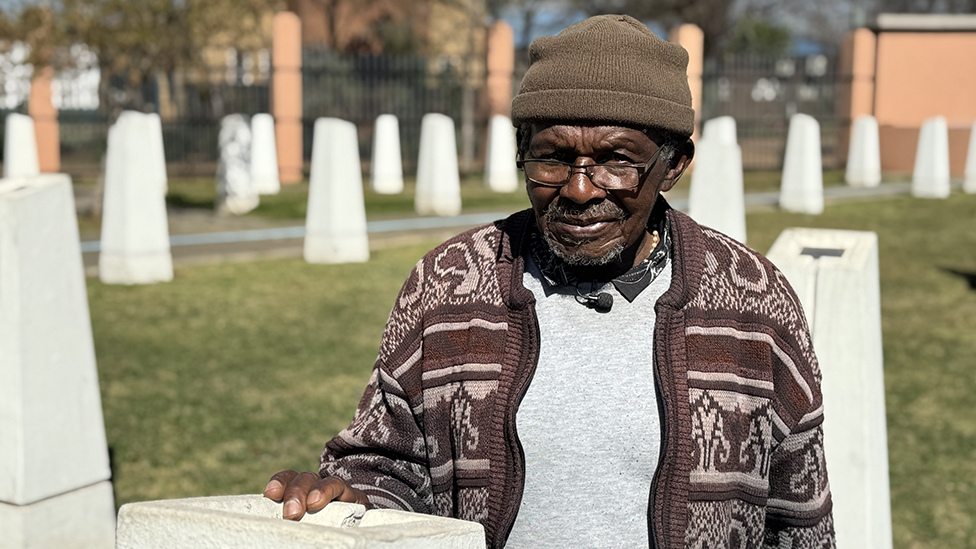
Abraham Mofokeng, 86, still bears a bullet in his spine and a limp from a gunshot to his leg – injuries he endured during the 1960 Sharpeville massacre. He and a group of other survivors are now suing the South African state to repeal the 1961 Indemnity Act, a law that absolved police and officials involved in the massacre from any criminal or civil liability.
The Indemnity Act was passed by the apartheid regime in the weeks after the massacre, allowing police officers to be shielded from prosecution and preventing families from filing civil claims. Despite the country’s transition to democracy in 1994, that law remains on the statute books, leaving former victims without official accountability.
Lawyers for Human Rights and the UK firm Leigh Day have filed a case in the High Court that seeks class‑action certification, which would enable dozens of survivors and relatives of those killed to collectively sue the state. The lawyers also argue that the overturned law would open the door to criminal charges against any surviving perpetrators.
The Truth and Reconciliation Commission, chaired by Archbishop Desmond Tutu, granted some victims reparations but did little to bring police officers to justice. The survivors’ current legal campaign is seen as a vital step toward fuller redress and acknowledgement of the state’s past wrongs.
Mofokeng believes that revoking the indemnity law would not only offer material reparations but would also provide a symbolic closure to the trauma that the Sharpeville community endures.