In brief
In the five years since the Taliban returned to power in Afghanistan, women across the country report a dramatic erosion of their rights and daily freedoms. From bans on schooling for girls over 12 to forced child marriage and strict travel rules, the regime’s hard‑line policies have forced many to abandon education and ambition. Despite these challenges, stories of resilience emerge – from a legal study student who now runs a jam‑making business, to a midwife who recalls a mother’s death, and to young girls dreaming of becoming doctors. These women call for international solidarity and support to restore education, employment and healthcare that were once available to them.
The Taliban’s return to power in Afghanistan in August 2021 has fundamentally altered how 22 million women and girls live. Their society has tightened restrictions on work, education, travel and even personal expression, forcing many to hide identity, fear reprisals and distrust the future.
Across Kabul, the countryside and the city’s theatres, women share stories of a new normal – girls over 12 barred from secondary schools, women required to have male chaperones for travel, and a law that equates legal approval for child marriage. An anonymous Kabul resident named Ela says, “People are so overwhelmed by poverty and daily hardships that many have been forced to put their education, dreams, and hopes for the future aside.” She and others describe how survival has become the priority.
Meanwhile, Shakiba, an 18‑year‑old jeweller, recalls the day the government fell: “It felt as if an old wound opened again, and a new feeling of defeat fills my heart.” She now finishes secondary school online, yet her lifelong goal of becoming a pilot seems impossible under the current regime.
In television studio, former anchor Zuhal was forced home after the Taliban imposed orders that “women are not totally restricted on all walks of life,” yet she cannot work without the presence of a male colleague. Manizha, a former journalist, details her flogging and imprisonment – 39 lashes for “friendship with a man” – and her fear that her daughter will lack female medical care.
Midwife Marzia speaks of a 45‑year‑old mother who died in a remote village clinic due to lack of a trained female physician. “We managed to save the baby, but now I keep thinking about what will happen to the mother’s six children without their mother,” she says, illustrating the high maternal mortality left unchecked under the Taliban.
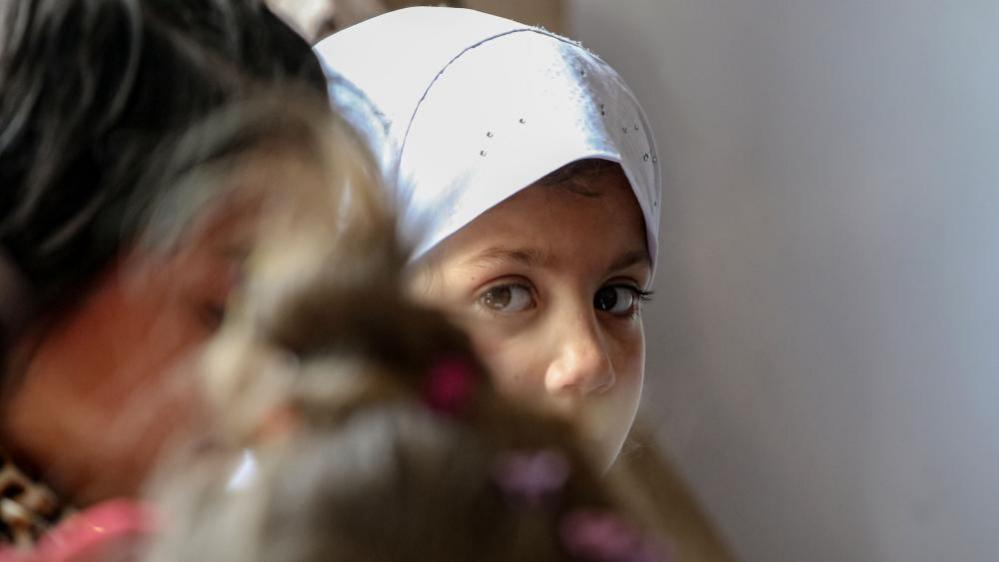
Despite discouragement, there remains hope. Noori, a 24‑year‑old legal student now running a jam‑making business, has created employment for ten women. She says, “I want women to become independent, strong, and successful like me.” Young Asma, aged 13, writes that she will become a doctor, and she urges the international community to keep Afghanistan’s women in the public eye. Ela, a dental assistant, emphasizes, “Speak up for Afghan women, support their right to education and work. Keep the world’s attention on their situation. We need solidarity, not silence.”
These stories illustrate the stark reality women live under the Taliban. The voices underscore a urgent call for global advocacy and support to restore fundamental human rights in Afghanistan.