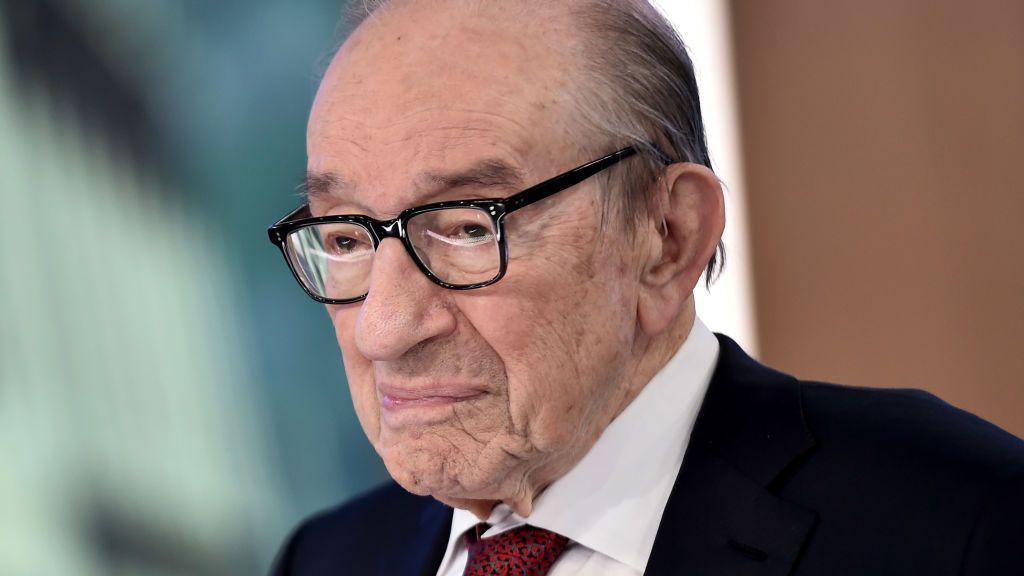
Former U.S. Federal Reserve chair Alan Greenspan has died aged 100, his wife announced. The economist, who steered the Fed for nearly two decades, left a complex legacy that remains controversial among economists, politicians, and the public.
Greenspan was appointed chair in 1987 by President Ronald Reagan and served through the administrations of George H.W. Bush, Bill Clinton, and others, continuing until 2006. During this period the United States enjoyed an extended run of growth and stability, and Freedom of the Dollar was often credited to his disciplined monetary strategies.
He dealt with a number of crises, most famously the October 1987 stock market crash, where his calm communication helped reverse a sharp plunge and restore confidence. That same approach was later applied in the 1990s, handling the dot‑com boom, as well as the 2008 sub‑prime mortgage crisis, where his low‑rate policy drew criticism for fueling asset bubbles and insufficient regulation.
Greenspan’s philosophy centered on free‑market self‑regulation and a minimal role for government oversight, a stance publicized during his speeches and long‑term policy decisions that shaped U.S. monetary policy. After the 2008 crash he testified before Congress and admitted that the financial sector could not rely solely on self‑regulation, marking a rare public concession to his own long‑held beliefs.
Throughout his career, Greenspan enjoyed a bipartisan following and was awarded the Presidential Medal of Freedom and an honorary knighthood by Queen Elizabeth II. Yet his critics point to his influence on the dot‑com boom, the mortgage crisis, and the broader losses in global markets that followed.
In his later years he remained an outspoken commentator, warning against rapid interest‑rate increases, critiquing the Trump administration, and criticizing the U.K.’s Brexit decision, underscoring his continued engagement with contemporary monetary debates. Still, his policy legacy will be debated for years; he was credited for a decade of growth, yet doubted for the price of those currencies’ stability.