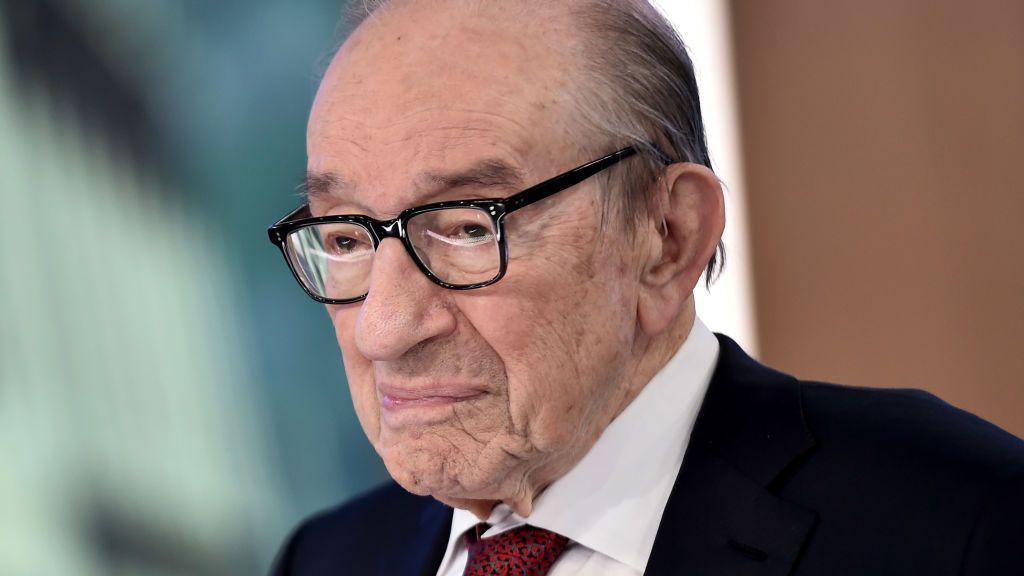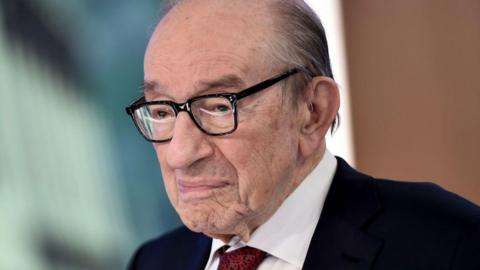
Alan Greenspan, the former head of the Federal Reserve, died at 100, according to his wife Andrea Mitchell. For twenty years he steered the United States through the longest sustained period of growth and kept the dollar solid.
His tenure, described as the second most important role after the presidency, began in 1987 under President Ronald Reagan and ended in 2006 after five terms.
Greenspan’s reputation was built on his ability to calm markets during crises, such as the 1987 stock market crash, the Gulf War, and the early 1990s recession. He used low interest rates and what would later be called quantitative easing to ventilate banks and calm investors.
Critics, however, argue that his low‑rate policy fueled the 1990s dot‑com bubble and the 2008 sub‑prime mortgage crisis. Nobel laureate Paul Krugman noted that Greenspan waited too long to curb speculative enthusiasm.
In testimony before Congress in October 2008, Greenspan admitted he had trusted the private sector’s self‑regulation too much. Later he added that the financial industry’s failure to guard against risky derivatives exposed a flaw in his free‑market philosophy.
Throughout his career he was honoured with the Presidential Medal of Freedom and an honorary knighthood from Queen Elizabeth II, and remained a sought‑after commentator well into his nineties.
Greenspan’s legacy is a blend of commendation for stability and critique for excessive deregulation. He remains a symbol of an era where the U.S. economy grew largely without a single recession under his watch.