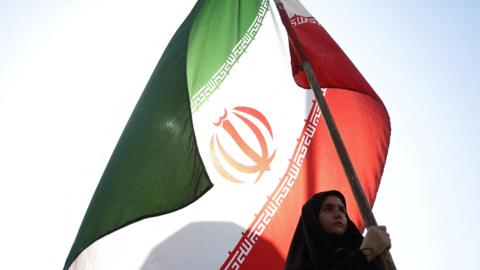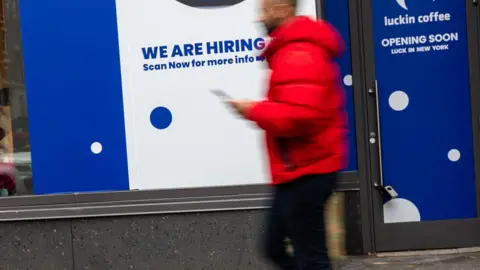
In a surprising twist, hiring in the United States surged in March, with 178,000 jobs added despite the destabilizing effects of the ongoing war in Iran. The unemployment rate dropped to 4.3%, according to the Labor Department's recent report.
The unexpected job growth is primarily attributed to the end of strikes in the healthcare industry, which had previously contributed to significant job losses in February. Analysts believe this uptick could bolster confidence in the job market's resilience, which has faced considerable slowdowns over the past year.
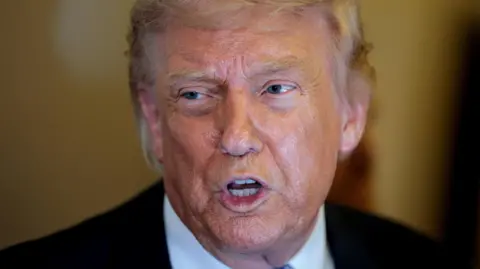
As the economic landscape shifts due to rising oil prices linked to the conflict, the US central bank faces a tough decision moving forward. The Federal Reserve has been under pressure from President Trump to reduce borrowing costs to stimulate the economy, but concerns over inflation—currently above the 2% target—have kept them from doing so.
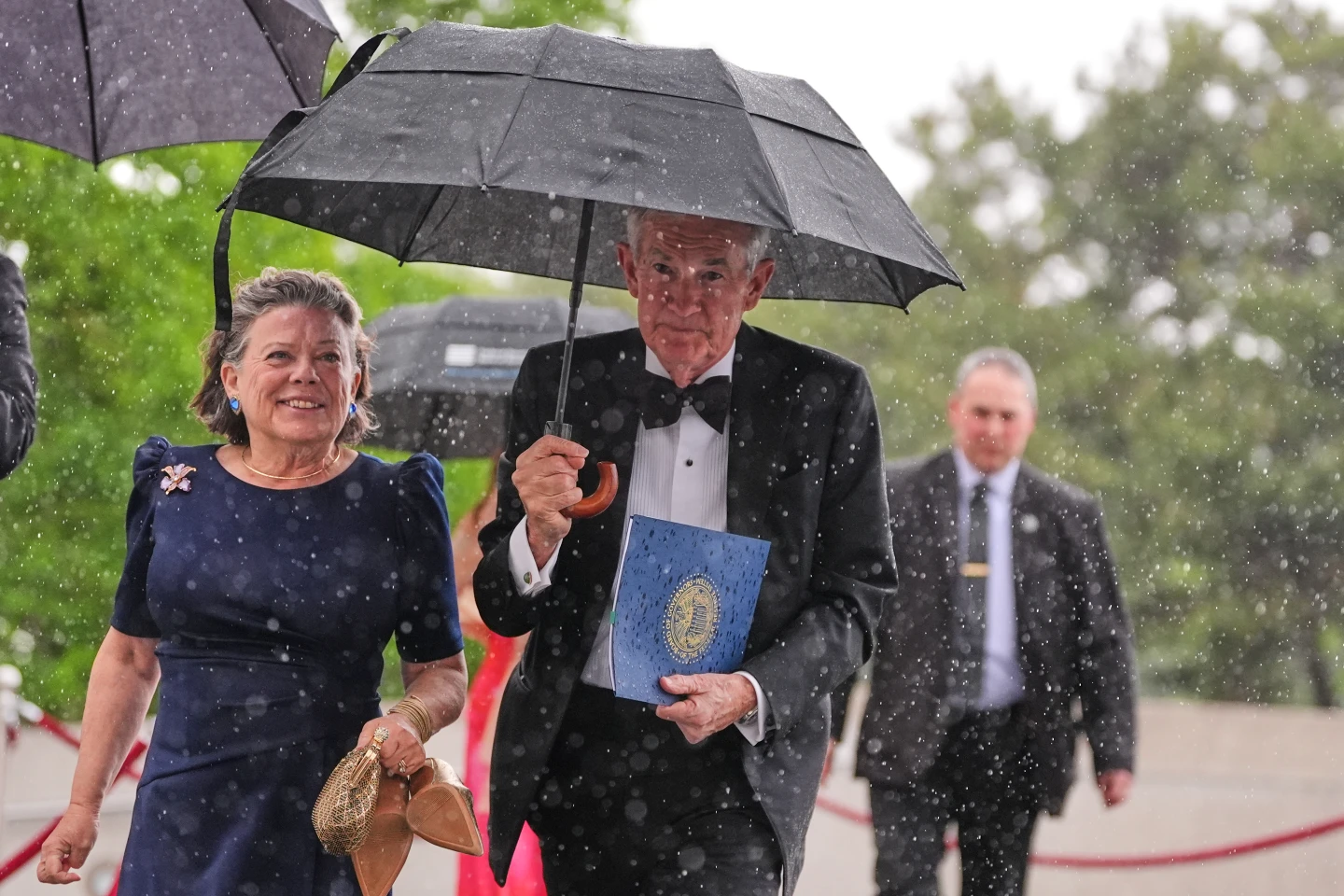
Fed Chair Jerome Powell has characterized the current economic situation as a fragile balance, marked by muted job creation alongside relatively few job cuts. Furthermore, policies from the White House, particularly concerning immigration and tariffs, have added complexity to the labor market.
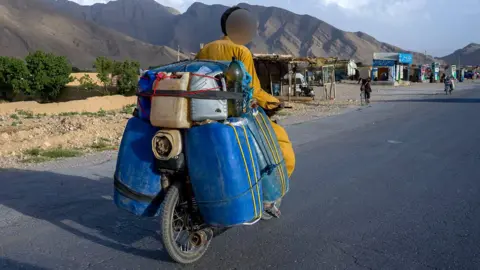
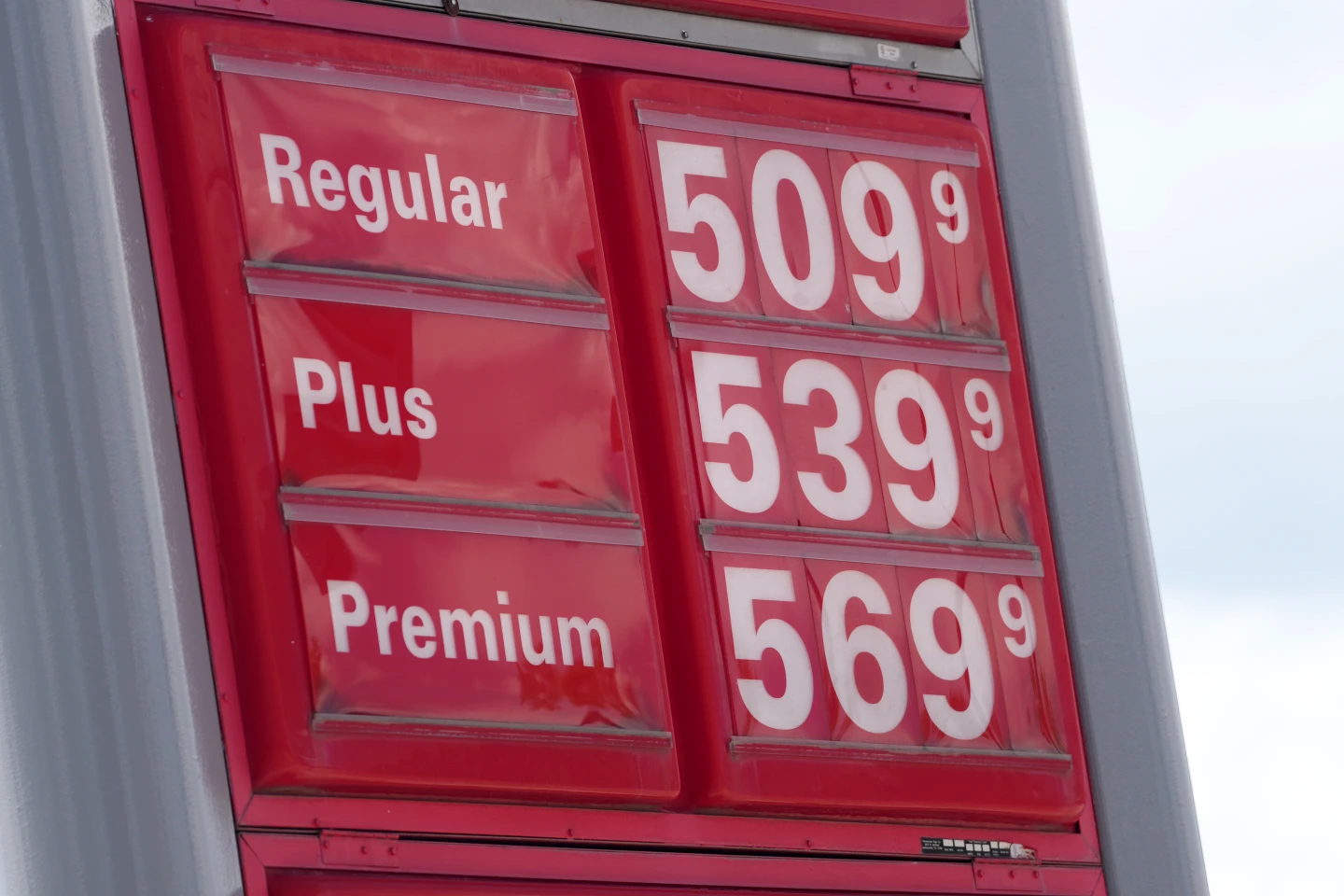
While the impact of the Iran conflict on the employment sector remains difficult to predict, economists warn that a sustained increase in oil prices could lead to higher transportation and food costs, compelling consumers and businesses to curtail spending and potentially inducing a broader economic slowdown.
Olu Sonola, head of US economics at Fitch Ratings, emphasized the need to assess the long-term effects of the Iran war on the job market, noting, 'The question now is how much blowback will come from the war in Iran and the associated uncertainty around energy prices.'
Despite the positive overall job figures, specific sectors such as finance, information, and government did report job losses in March. Sonola remarks that while the latest figures are encouraging, the job market has been erratic over the last year and may continue to be influenced by ongoing geopolitical events.