India's youth story is a study in contradictions - of abundance and scarcity, promise and drift. As the British economist Joan Robinson once quipped, whatever 'you can rightly say about India, the opposite is also true'.
The latest State of Working India report by Azim Premji University illustrates this paradox. India's youth population stands at 367 million aged 15 to 29, forming a significant portion of the country's labor force.
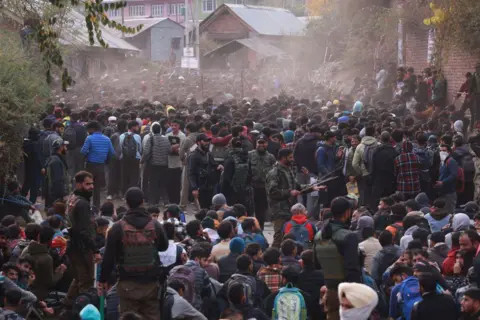
Despite this promising demographic advantage, approximately 263 million young people are outside the education system, representing a substantial reserve of potential workers. India is rich in youth, but poor in job opportunities.
There is some reason for optimism as the country has made strides in education over the last four decades. Enrollment in higher education has surged, and gender and caste barriers have begun to lessen.
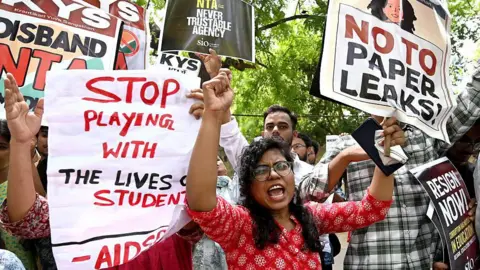
However, the educational advancements have not commensurately linked to job opportunities, resulting in strikingly high graduate unemployment rates. Around 40% of graduates aged 15-25 are jobless, and only a small share of them secure stable salaried positions within a year.
The transition from education to employment remains broken. As economist Rosa Abraham states, young graduates often report their unemployment while waiting for suitable job openings, emphasizing an aspiration-availability mismatch.
Economic patterns reveal a troubling trend where 83 million jobs were added post-pandemic, predominantly in low-productivity sectors such as agriculture, which offers little economic transformation.
Despite expanding educational access, the quality and alignment with job market requirements remain inconsistent. As the number of colleges skyrockets – rising from 1,600 in 1991 to nearly 70,000 today, the issue of quality persists, especially in professional fields.
With the potential demographic dividend at risk of peaking by 2030 as the workforce ages, India must rapidly create meaningful job opportunities that align with the education system. Key strategies include enhancing stability in salaried jobs, industry-education alignment, and robust social protections for vulnerable workers.
The balance of creating significant employment pathways for all youth remains a critical question for India's future economic health and societal stability.